
Last updated September 10, 2026
Level 1 sweep and inspection to the NFPA 211 annual standard - flue, crown, cap, and flashing checked and photographed
Chimney sweep logs do not sweep chimneys. They loosen some creosote - which then falls where a brush and vacuum still have to collect it.
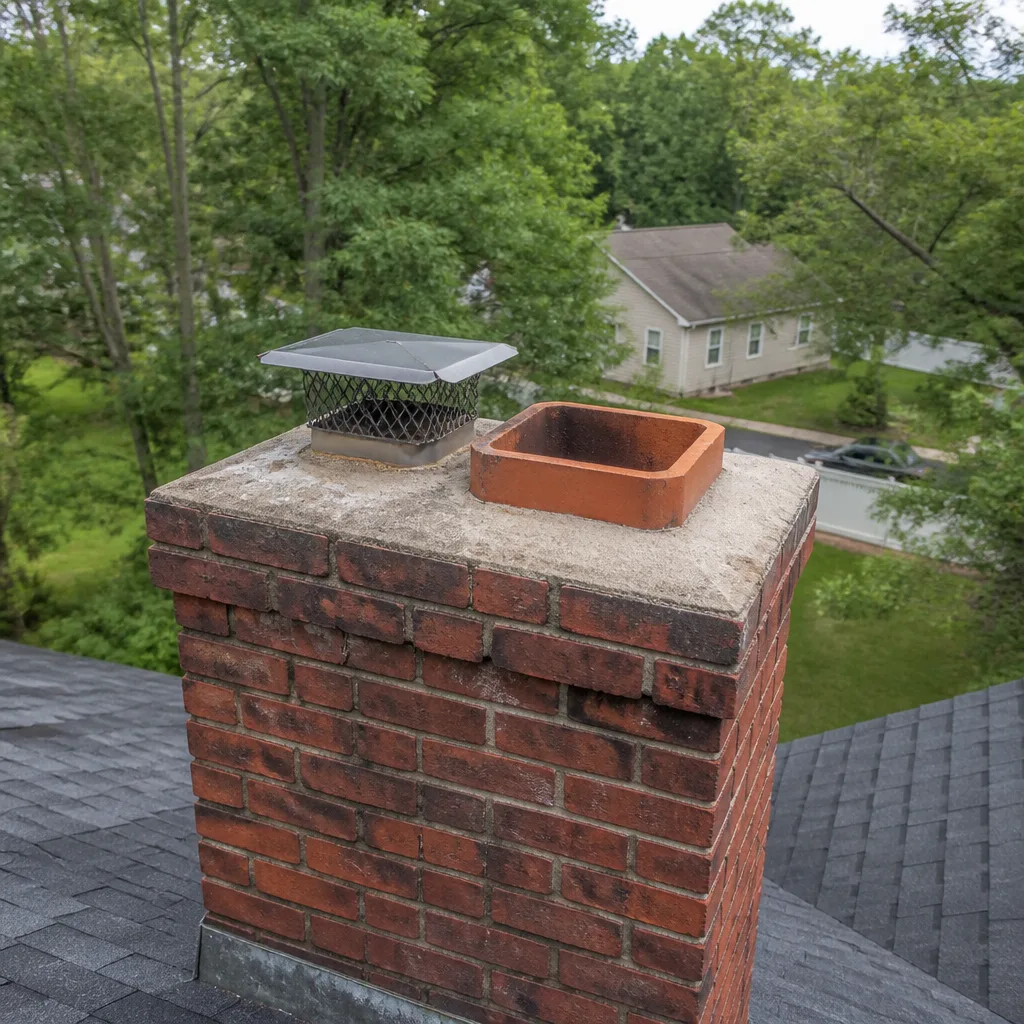
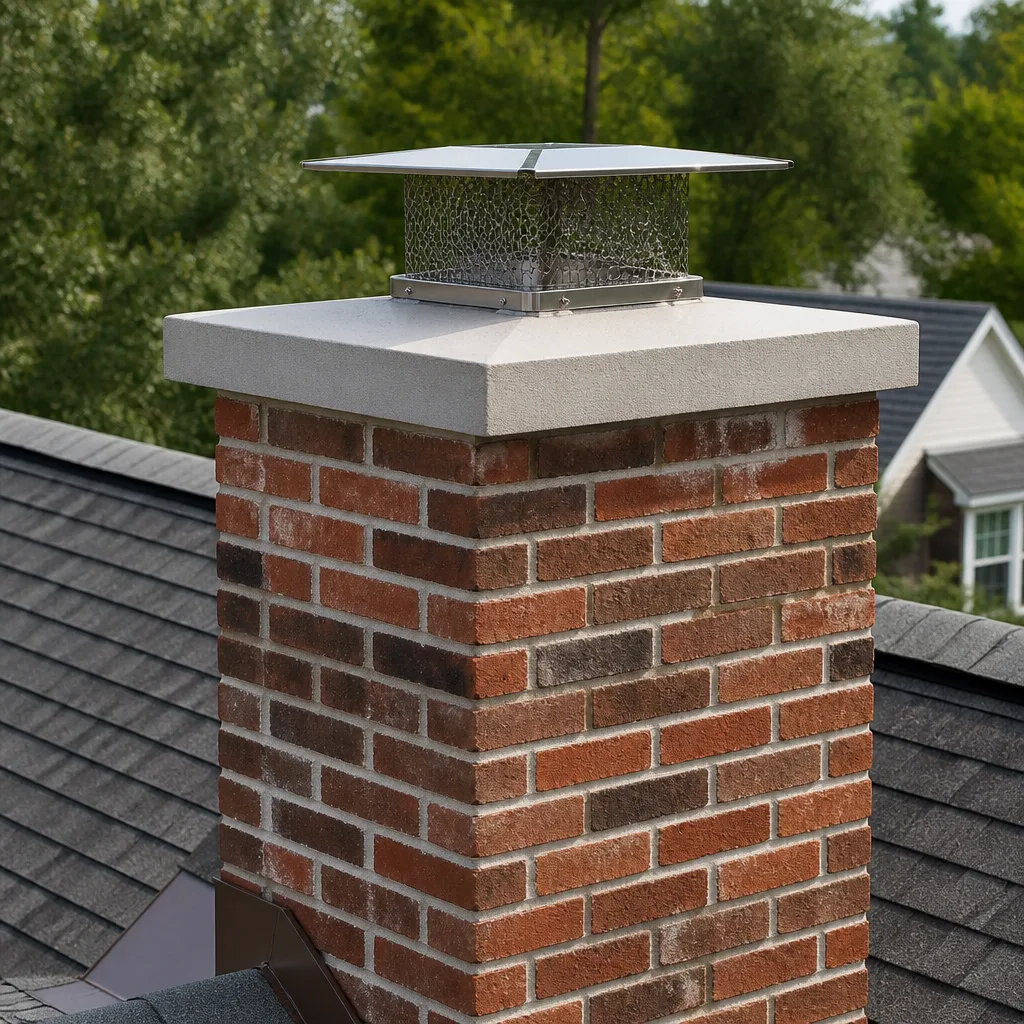
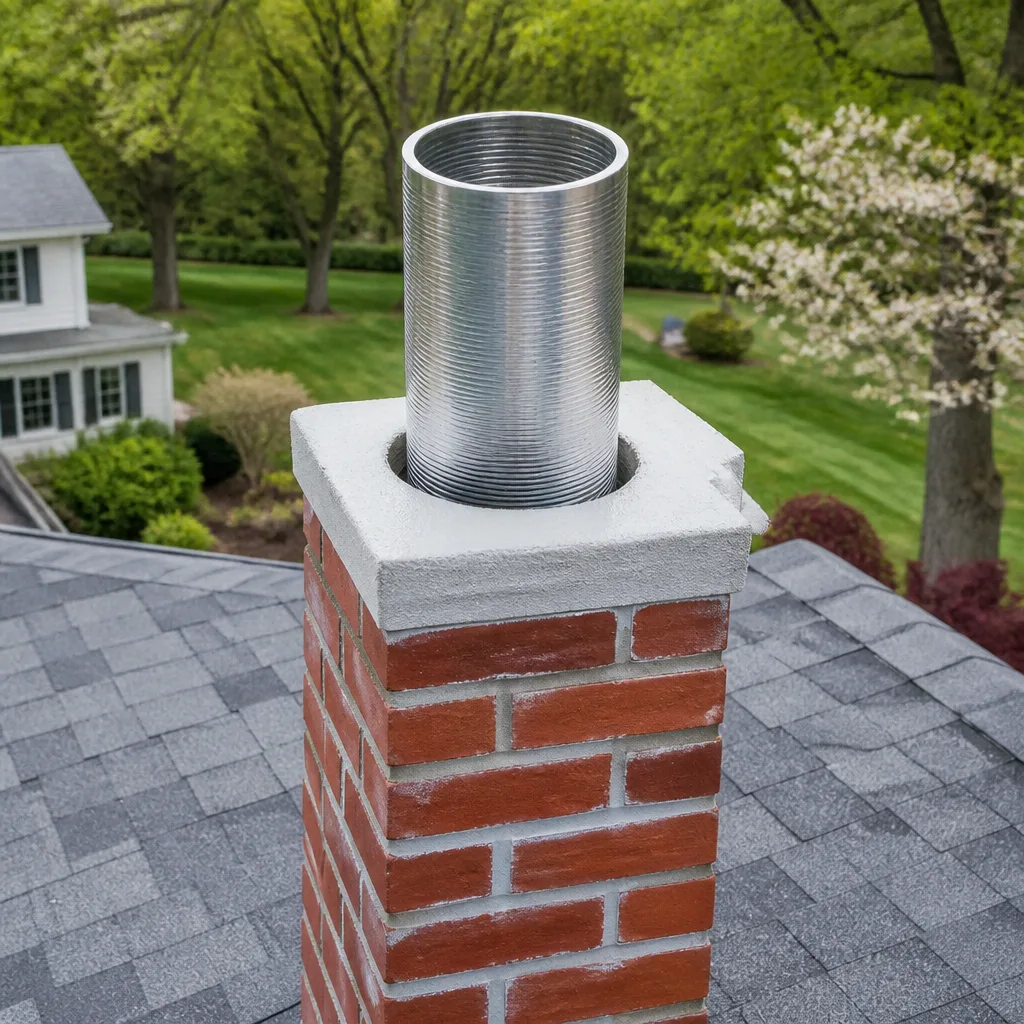
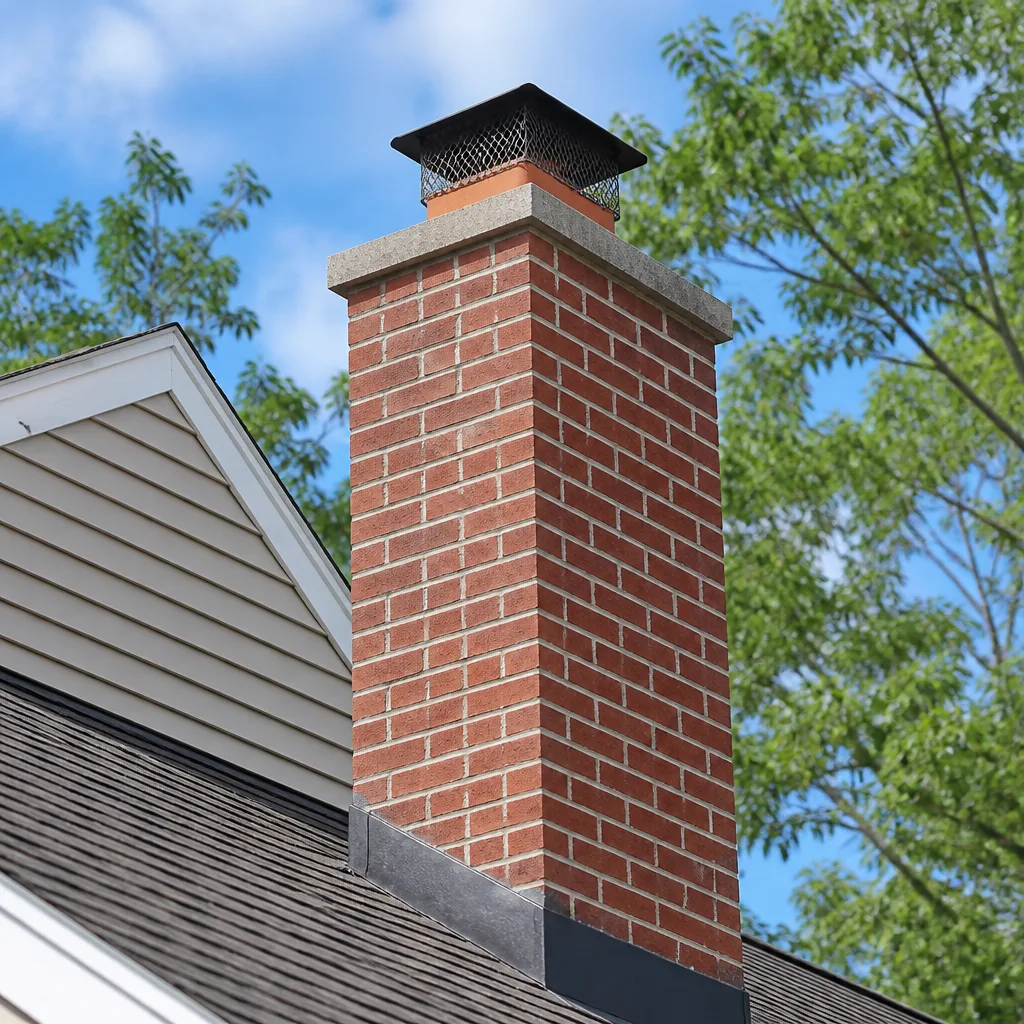
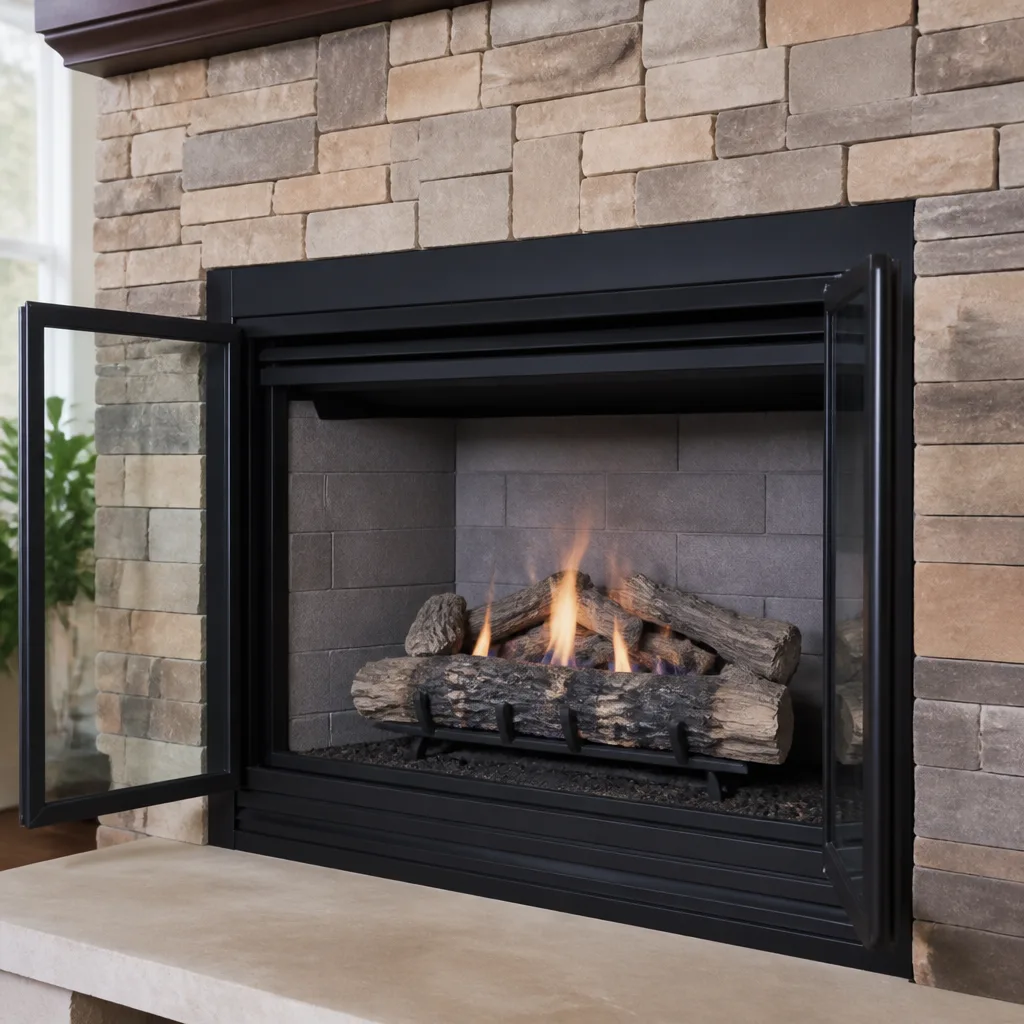
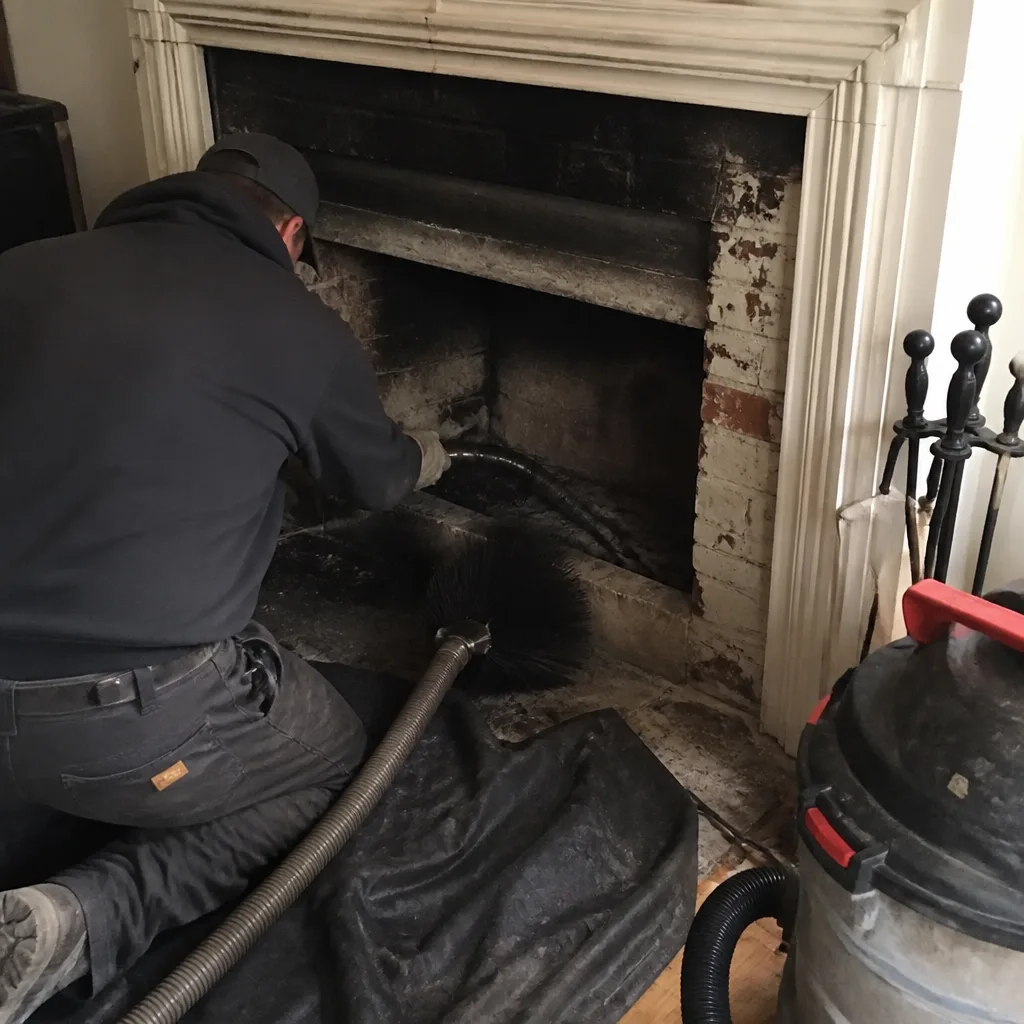 Before
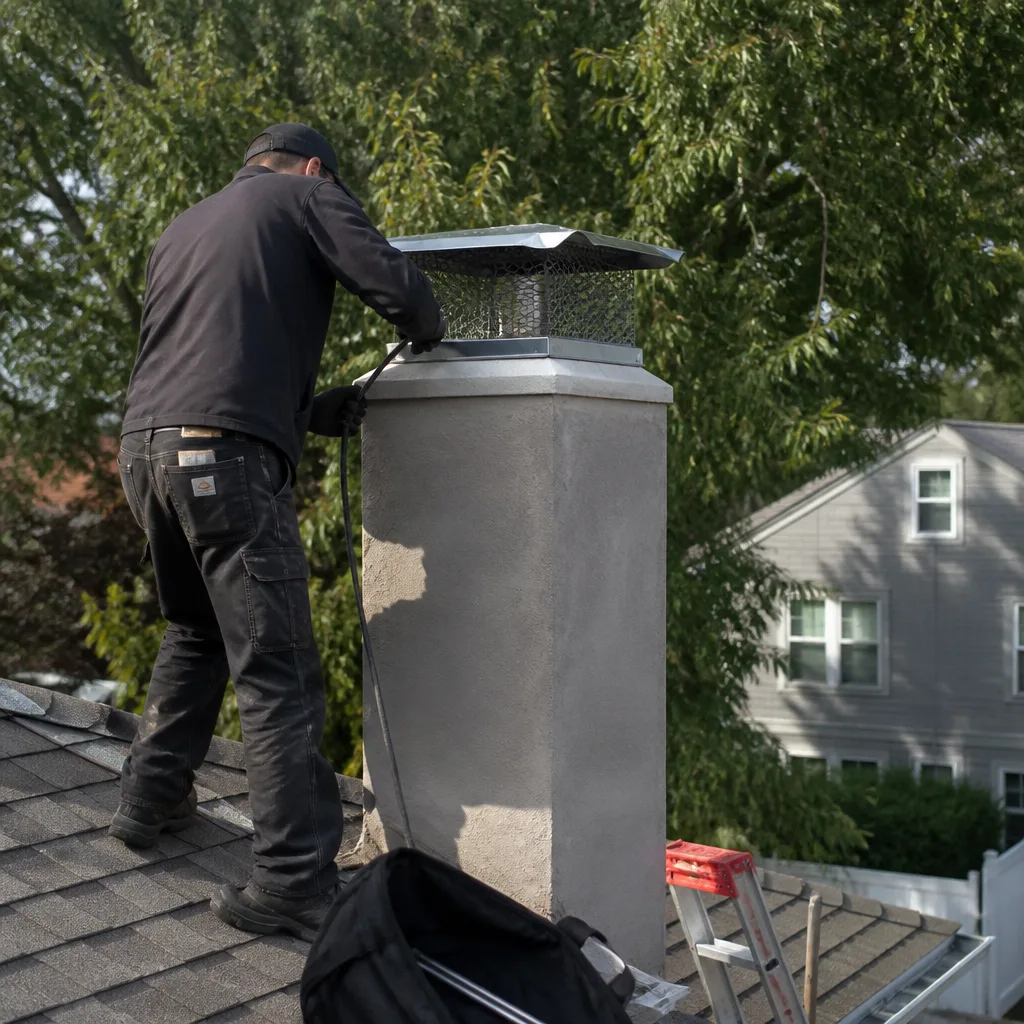 After
After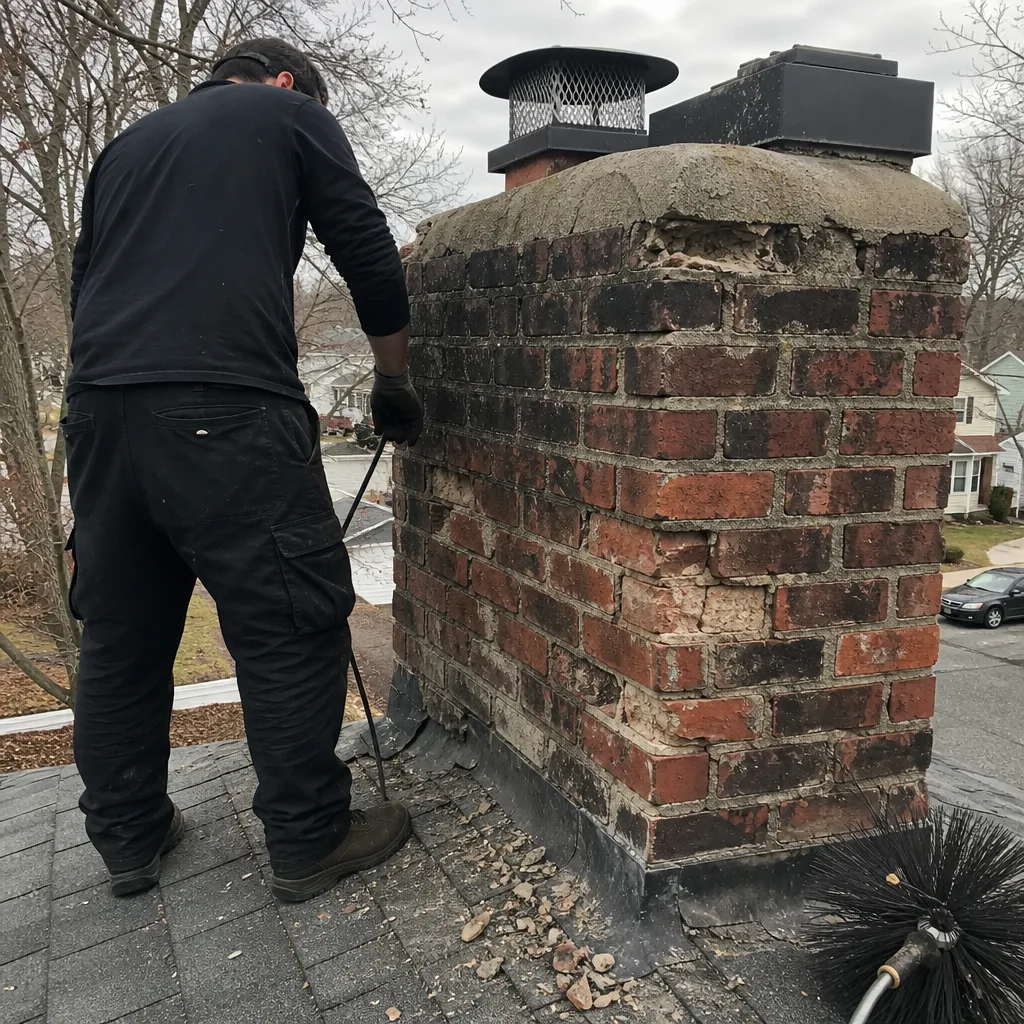 Before
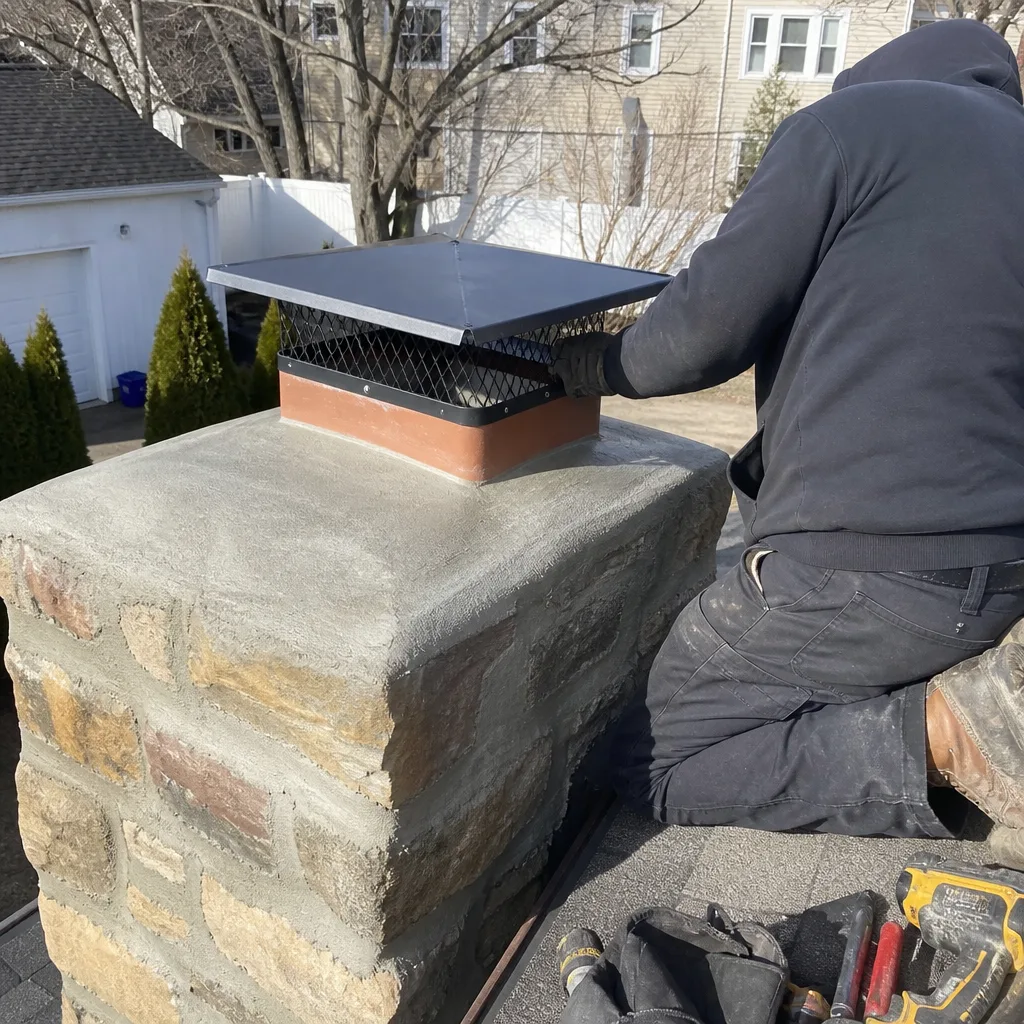 After
After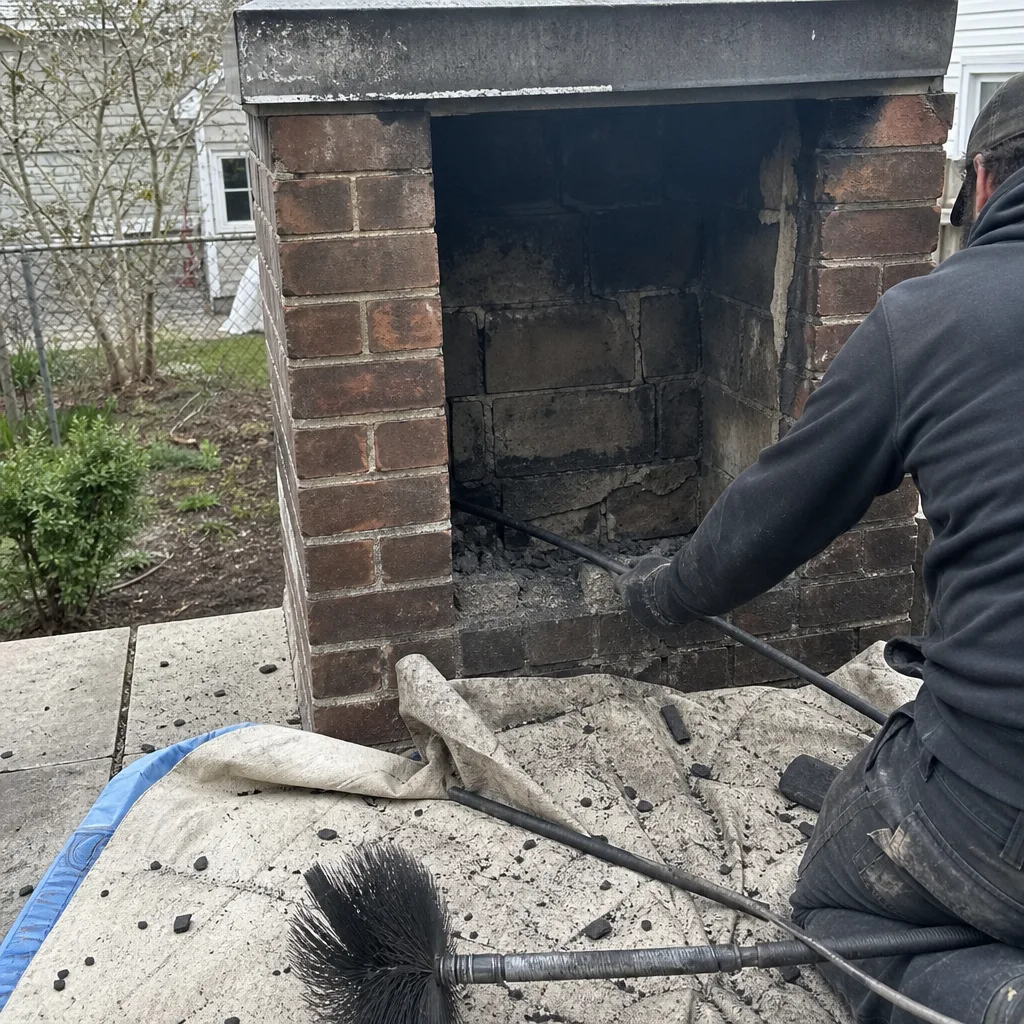 Before
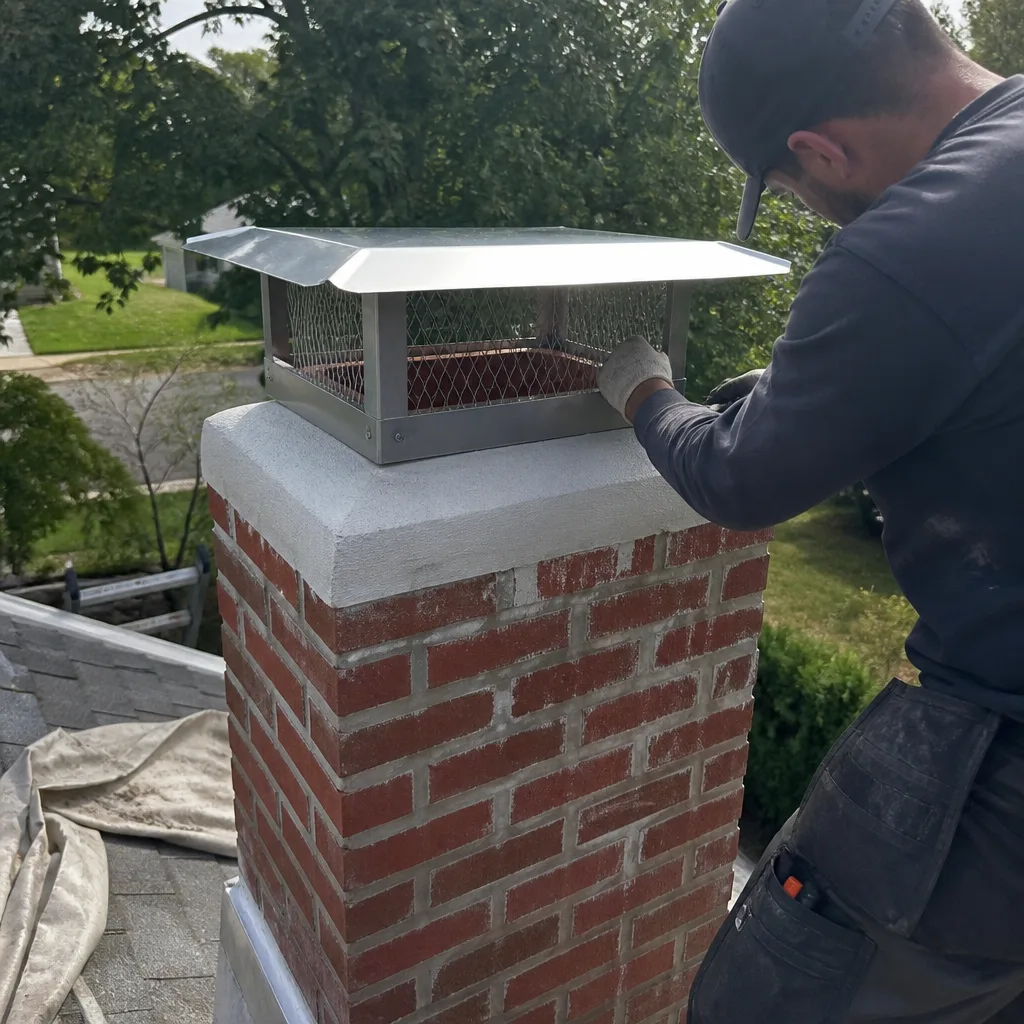 After
AfterChimney Cleaning Warning Signs: A Rockville Centre Homeowner’s Reference Guide
Smoke backing into your living room isn’t always a dirty chimney. It’s sometimes a cracked liner, a failed damper, or a blocked flue - three different problems with three different price tags and one symptom that looks the same from your couch. In Rockville Centre, where salt-laden coastal air accelerates masonry deterioration and pre-war construction means chimneys built to standards that predate modern heating appliances, the gap between what homeowners notice and what actually needs fixing is where expensive mistakes are born. This guide maps the six most common warning signs to their true causes, explains what your nose and ears can tell you before a sweep ever climbs a ladder, and shows you how to read the physical evidence that distinguishes a routine cleaning from urgent repair. For The Complete Guide to Chimney Cleaning in Rockville Centre and more guides & resources, see our blog.
Quick Answer
The most common chimney warning signs in Rockville Centre homes are smoke backup, persistent odors, visible creosote buildup, white masonry staining, unusual drafting sounds, and debris falling into the firebox. Most indicate either routine maintenance needs or specific component failures that a Level-2 camera inspection can distinguish. Annual sweeping prevents the majority of these issues, but some symptoms signal liner degradation or water infiltration that worsens significantly if delayed past one burning season. See our DIY vs Professional Chimney Cleaning: The Rockville Centre Homeowner’s Decision Guide to evaluate your options.
Table of Contents
- Smoke Backup: When the Problem Isn’t Just a Dirty Flue
- The Odor Signatures That Tell Experienced Sweeps What They’re Walking Into
- Creosote Buildup: What You’re Actually Seeing and What It Means
- White Staining on Exterior Masonry: The Warning Most Rockville Centre Homeowners Miss
- Chimney Fire Evidence: Silent Burnout Versus Active Threat
- Sounds, Drafting Behavior, and Firebox Cues: Animal, Creosote, or Liner Failure
- Common Mistakes to Avoid
- When to Call a Professional
- Frequently Asked Questions
- The Bottom Line
Smoke Backup: When the Problem Isn’t Just a Dirty Flue
Smoke rolling into the room is the symptom that drives most calls to Chimney Cleaning & Sweep in Rockville Centre, and it’s the most commonly misdiagnosed. Homeowners assume a cleaning will fix it. Sometimes they’re right. Often they’re paying for the wrong solution.
Here is how the three primary causes present, and what distinguishes them:
- Blocked or restricted flue from creosote accumulation. The smoke starts gradually, usually after the fire has been burning 15-20 minutes. It gets worse on cold, still days when draft pressure is weakest. A cleaning removes the obstruction and restores normal function. This is the straightforward case.
- Cracked or deteriorated flue liner. Smoke enters the room almost immediately upon lighting the fire, often before the flue has fully warmed. You may notice smoke seeping from mortar joints or hear a whistling from the chimney breast. The liner has lost its seal, and combustion gases are leaking into the chimney cavity before reaching the top. This requires liner repair or replacement, not sweeping. In Rockville Centre, we see this frequently in homes built before 1960 with original terra cotta liners that have survived 60+ years of thermal cycling. The salt air doesn’t help; it accelerates the freeze-thaw deterioration of exterior masonry, which transfers stress to the liner.
- Failed or stuck damper. Smoke pours out the front of the fireplace the moment you light kindling. The damper plate is either corroded shut, off its track, or missing entirely. This is a mechanical repair, and it’s often the cheapest of the three fixes if caught early. We’ve found dampers frozen solid from rust in Rockville Centre homes within a half-mile of the water, where humidity stays elevated year-round.
The diagnostic question that separates these: When does the smoke appear, and where else do you notice it? Early, immediate smoke suggests damper or liner. Delayed smoke that worsens with burn time suggests creosote blockage. Smoke from wall joints or the chimney breast, felt as warm air, strongly indicates liner failure.
Our Level-2 camera inspection photographs the flue interior every few feet, and we show you the images. A cracked liner looks like a lightning bolt in terra cotta, or like alligator skin on a stainless steel insert. Creosote looks like tar, scale, or flaky carbon. You see what we see, and we explain it in plain English before any work is proposed.
The Odor Signatures That Tell Experienced Sweeps What They’re Walking Into
An experienced sweep can often predict the inspection findings before opening the cleanout door. The nose is a diagnostic tool, and homeowners in Rockville Centre’s older neighborhoods - where chimneys may have been modified multiple times across decades - should trust their own.
Asphalt or tar smell, strongest in summer. This is creosote that has absorbed humidity and begun to off-gas. The smell intensifies on hot, humid days when the chimney stack effect reverses, pushing air downward into the house. It’s not dangerous in itself, but it indicates significant creosote accumulation that will ignite at lower temperatures. In Rockville Centre’s summer climate, with humidity regularly above 70%, this odor is common in chimneys that haven’t been swept in two or more years.
Musty, earthy odor with no visible leak. Water is entering the chimney system somewhere - crown, cap, flashing, or porous brick - and organic material is growing. This may be mildew on the smoke shelf, or in severe cases, saturated masonry that never fully dries. The Long Island freeze-thaw cycle turns this into spalling brick within two to three seasons if the water source isn’t addressed.
Sharp, acrid, chemical smell. This indicates a prior chimney fire that pyrolized creosote into a hardened, cracked residue. The smell comes from volatile compounds released when the material reheats. Homeowners often don’t realize they’ve had a chimney fire; many burn out silently, especially in insulated metal chimneys where the fire is contained but the liner is damaged. This odor demands immediate inspection.
Decomposition or sewage odor. An animal has died in the flue, or nesting material has saturated with urine and begun to break down. Squirrels, raccoons, and birds are common in Rockville Centre’s tree-lined streets. The smell is unmistakable and usually localized to one chimney. Removal requires protective equipment and often a new cap with proper screening to prevent recurrence.
We document odor sources with photos during our inspection and explain what each finding means for safety and cost. No recommendation is made without evidence you can see yourself.
Creosote Buildup: What You’re Actually Seeing and What It Means
Not all creosote is the same, and the type determines both the fire risk and the cleaning method required. The National Fire Protection Association identifies three stages, and we encounter all three in Rockville Centre homes depending on burning habits, fuel type, and chimney design.
Stage 1: Sooty, flaky, easily brushed away. This is normal residue from efficient, hot fires with dry hardwood. Annual sweeping removes it completely. If this is what your sweep reports, your burning practices are sound and your chimney is in routine maintenance territory.
Stage 2: Shiny, hard, black flakes that resemble tar. This forms when wood is burned at lower temperatures, often because the damper is partially closed for extended burns, or because the wood is insufficiently seasoned. It requires more aggressive mechanical cleaning and indicates that burning habits need adjustment. We see this frequently in Rockville Centre homeowners who run fires overnight with the damper throttled back.
Stage 3: Glazed, hardened, crust-like deposits. This is the most dangerous form. It has a low ignition temperature and burns intensely once lit. Removal requires specialized chemical treatment or rotary mechanical cleaning. Stage 3 creosote indicates a systemic problem: consistently cool flue temperatures, often from an oversized chimney flue for the appliance being vented, or chronically wet wood. In older Rockville Centre homes where original fireplaces have been fitted with woodstove inserts without proper liner resizing, this mismatch is common.
During our Chimney Cleaning & Sweep in Rockville Centre, we photograph the creosote type and show you where it sits in the flue. We also note whether the accumulation pattern suggests a drafting problem - heavy buildup on one side, for instance, indicates an offset or partial blockage that simple sweeping won’t correct.
White Staining on Exterior Masonry: The Warning Most Rockville Centre Homeowners Miss
White, powdery staining on brick or mortar joints - efflorescence - is not cosmetic. It is soluble salts deposited as water moves through masonry and evaporates at the surface. The salt itself is harmless, but the water movement that carries it is not.
In Rockville Centre, efflorescence appears with particular frequency on chimneys facing Long Island Sound or on homes in low-lying areas with high water tables. The combination of wind-driven rain, humid summers, and freeze-thaw winters creates conditions where water enters masonry capillaries, dissolves natural salts, and deposits them at the surface as it dries.
Why this matters: efflorescence indicates active water infiltration. The same water that carries salts is saturating the interior masonry. Each freeze-thaw cycle expands that water by about 9%, exerting pressure that spalls brick faces and erodes mortar. A chimney with visible efflorescence that is ignored for two seasons typically develops loose bricks, open mortar joints, and eventually structural instability that requires partial rebuild rather than simple repointing.
The progression we observe in Rockville Centre:
- Year one: White staining appears, often after heavy rains. Homeowners mistake it for age or assume it will wash away.
- Year two: Staining intensifies, spreads to new areas. Small hairline cracks appear in mortar. Crown may show fine cracking.
- Year three: Brick faces begin to flake and pop. Mortar joints recede. Water may appear in the firebox or on the smoke shelf during heavy rain.
- Year four and beyond: Structural movement becomes possible. Chimney leans, or interior liner is compromised by shifting masonry. Repair costs multiply by five to ten times.
Early intervention means crown sealing, cap replacement, or targeted repointing with proper mortar matching. We use professional-grade materials from HeatShield for crown repair and Gelco for cap installations. Delay means rebuild, and rebuild in Rockville Centre’s market runs significantly higher than routine maintenance.
Our inspection includes exterior masonry photography and moisture assessment. If efflorescence is present, we show you the likely water entry points and explain what stage of intervention is appropriate. Sometimes immediate repair is needed. Sometimes annual monitoring with a specific maintenance schedule is sufficient. The decision is based on evidence, not pressure.
Chimney Fire Evidence: Silent Burnout Versus Active Threat
Most chimney fires are not dramatic events with flames shooting from the top and neighbors calling 911. Most are quiet, contained burns that the homeowner never identifies as a fire at all. This is not reassuring. A contained chimney fire still damages the liner, cracks masonry, and creates conditions for a subsequent, uncontrolled fire.
The difference between a fire that burns out and one that spreads to the structure depends on several factors: the amount of available fuel (creosote), the flue’s ability to contain it, and whether the fire breaches a crack or gap into the surrounding construction. A terra cotta liner with existing stress cracks, common in Rockville Centre’s pre-1960 housing stock, is far more vulnerable than a intact stainless steel liner.
Physical evidence of a prior chimney fire that homeowners can check:
- Puffy, honeycombed creosote residue. Normal creosote is layered. After a fire, it expands into a lightweight, aerated mass that looks like burned marshmallow. This is definitive evidence and requires immediate inspection.
- Discolored or distorted metal components. A factory-built metal chimney with warped or rainbow-colored sections has experienced temperatures beyond design limits. The structural integrity is compromised even if no hole is visible.
- Cracked or missing flue tiles. Pieces of terra cotta in the firebox or cleanout indicate liner failure, often from thermal shock during a fire event.
- Heat damage to surrounding structures. Discolored wallpaper, warped trim, or cracked plaster near the chimney breast suggest heat has escaped the flue. This is an active hazard requiring immediate professional evaluation.
- Damaged chimney cap or crown. Intense heat can crack concrete crowns or warp metal caps. If you notice new damage at the top after a period of heavy burning, investigate further.
We treat any indication of prior chimney fire as a priority inspection. Our camera survey looks for liner distortion, hidden cracks, and gaps between liner sections. If damage is found, we explain the repair options, from stainless steel relining with DuraFlex components to complete rebuild if masonry is compromised. The 90-Day Done Right Promise applies to all work: if it’s not right, we come back, in writing, no arguing.
Sounds, Drafting Behavior, and Firebox Cues: Animal, Creosote, or Liner Failure
The auditory and behavioral signs from your chimney are specific enough that you can narrow the cause before a sweep arrives. Here’s what to listen for and observe.
Scratching, scurrying, or vocalization, especially morning and evening. This is active animal occupation. Squirrels and raccoons are climbers; they enter through uncapped flues or damaged screening. Birds nest in spring. The risk is not just blockage - nesting material is highly flammable, and animals can die and decompose, creating odor and secondary insect problems. In Rockville Centre’s mature neighborhoods with established oak and maple canopy, animal entry is seasonal and predictable. We install Gelco and Copperfield caps with proper mesh sizing to prevent recurrence after removal and cleaning.
Wind-driven howling or whistling, consistent with weather. This indicates a drafting path that shouldn’t exist - a missing or damaged damper, a cracked liner creating an air leak, or an improperly sized cap that creates turbulence. The sound changes with wind direction and intensity. Persistent whistling that correlates with weather, rather than fire use, points to structural leakage rather than creosote.
Rumbling or roaring during active fire, with smoke backup. This is partial flue blockage, usually creosote buildup that has narrowed the passage. The fire’s combustion gases are restricted, creating turbulence and noise. The chimney is working against itself. Stop burning immediately and schedule cleaning.
Firebox behavior that signals specific problems:
- Smoke stains on the firebox above the lintel, with otherwise normal draft. The smoke shelf or damper throat is obstructed. Smoke spills forward before being drawn upward. Cleaning and possible damper adjustment.
- Smoke rolling out the front only when doors are opened to add wood. Normal if brief; problematic if persistent. Indicates weak draft, oversized flue, or house depressurization from exhaust fans. Requires evaluation of chimney sizing and home pressure balance.
- Cold air falling from the fireplace when not in use, with odor. Negative pressure in the house is drawing air down the chimney. Common in tightly sealed modern homes, but also caused by blocked flue at the top (no warm air column to maintain upward flow) or exterior damage that destroys the chimney’s thermal mass. In Rockville Centre’s mixed housing stock, from 1920s colonials to post-war ranches to new construction, the cause varies significantly with building envelope characteristics.
- Visible gaps or light from above in the firebox. Liner sections have separated, or mortar has fallen from the smoke chamber. This is a direct path for fire and gases into the chimney structure. Do not use the fireplace until inspected.
Our technicians carry inspection cameras that reach the full flue length and the smoke chamber above the damper. You see what we see. The explanation matches the image, and the recommendation follows from both.
Common Mistakes to Avoid
- Assuming smoke backup means the chimney just needs sweeping. In our experience across Rockville Centre, roughly 30% of smoke complaints trace to liner or damper issues that sweeping alone won’t fix. Paying for a cleaning when you need a liner repair is wasted money and delayed safety.
- Ignoring summer odors as “just how old chimneys smell.” Persistent odor is diagnostic. The specific smell indicates specific conditions, and summer humidity makes all of them worse. Address the source before burning season returns.
- Waiting for visible exterior damage before acting. By the time bricks are spalling or mortar is crumbling, water infiltration has been active for multiple seasons. Efflorescence is the earlier, cheaper signal. Respond to it.
- Hiring based on lowest price without verifying what’s included. A “chimney sweep” in Rockville Centre can mean anything from a 20-minute brush job with a shop vacuum to a full Level-2 inspection with documentation. Ask specifically: Is a camera inspection included? Will I receive photos? What does the written report cover?
- Continuing to burn after any indication of chimney fire. Even a fire that seemed to resolve itself may have cracked the liner or damaged masonry. The next fire could be the one that escapes the flue. Schedule inspection before relighting.
- Installing a chimney cap from a hardware store without proper sizing. Ill-fitting caps create downdraft problems, trap moisture, or fail to keep animals out. Professional-grade caps from Olympia Chimney or Famco are sized to your flue and vented correctly for your appliance type.
- Neglecting to verify insurance and background checks. Anyone with a brush and a ladder can call themselves a sweep. Technicians working on your roof, in your home, and with combustion systems should be background-checked, uniformed, and employed by a company with verifiable history in the community.
When to Call a Professional
Call for inspection before burning season if your chimney has not been swept in the past 12 months. Call immediately if you observe smoke entering the room, detect sharp chemical or decomposition odors, notice new exterior staining or damage, hear animal activity, or suspect any prior chimney fire. These are not maintenance-deferrable conditions.
For homeowners in Rockville Centre’s older neighborhoods - especially those with original construction near the village center, or homes within the flood-prone areas south of Sunrise Highway - the combination of age, salt air exposure, and potential water table issues makes proactive inspection particularly valuable. A chimney that appears sound from the ground may conceal liner degradation or crown failure visible only from the roof or inside the flue.
Hearthstone Chimney Co. offers free estimates in Rockville Centre. Our Level-2 camera inspection includes photos you can see and a plain-English verdict. Call (631) 498-8835. A live person answers, 24 hours a day, every day. Most jobs are completed in a single visit, with no-hassle upfront pricing - the number on the estimate is the number on the invoice.
Frequently Asked Questions
A standard chimney cleaning and Level-1 inspection in Rockville Centre typically ranges from $200 to $350, depending on creosote accumulation level, accessibility, and whether the fireplace or stove insert requires additional disassembly. A Level-2 camera inspection, recommended for home sales, after chimney fires, or when structural concerns exist, generally runs $350 to $500 and includes a written report with photographs. Call (631) 498-8835 for an exact quote - estimates are free.
You need a new liner when the existing one is cracked, deteriorated, or improperly sized for your current appliance, not merely dirty. A cleaning removes combustible deposits but cannot restore structural integrity to a failed terra cotta liner or correct a sizing mismatch that causes creosote buildup. Our camera inspection shows you the actual condition. If the liner is sound, we say so. If it’s not, we explain the specific failure and show you the image. Work that can safely wait is identified as such.
The National Fire Protection Association recommends annual inspection, with cleaning as needed based on creosote accumulation. In Rockville Centre, where many homes burn regularly through winter and where humid summers promote creosote absorption and masonry moisture issues, annual sweeping is the prudent standard. Heavy use - more than three fires weekly during burning season - may warrant mid-season inspection. Occasional decorative use may extend to every two years with professional confirmation that accumulation is minimal.
Skipped maintenance leads to progressive creosote accumulation, which increases fire risk and restricts draft. It also allows water infiltration, liner degradation, and animal entry to advance unnoticed. The typical progression: year one, minor creosote buildup and possible odor; year two, noticeable drafting reduction and accelerated liner wear; year three, significant fire hazard and likely structural water damage; year four and beyond, high probability of chimney fire or masonry failure requiring major repair. The cost differential between annual maintenance and deferred repair is typically five to fifteen times. Call (631) 498-8835 to schedule before the next burning season.
Summer humidity reactivates creosote deposits, causing them to off-gas the asphalt-like odors absorbed during burning season. Additionally, the stack effect reverses in warm weather: instead of warm air rising out the chimney, denser air-conditioned interior air can draw chimney odors downward into living spaces. In Rockville Centre’s humid coastal climate, this effect is pronounced. A thorough cleaning removes the odor source, and proper damper closure or top-sealing damper installation prevents reverse airflow.
Yes. Most chimney fires are silent or produce only minor noise that homeowners mistake for normal fire sounds. Indicators include: puffy, expanded creosote residue; a new chemical or burned odor that persists; visible cracks in flue tiles or pieces in the firebox; warped metal components; and damage to the chimney cap or crown. If you suspect a fire occurred, schedule a Level-2 inspection before using the fireplace again. The liner may be compromised even if no exterior damage is visible.
A Level-1 inspection is visual, accessible-surface examination of the readily accessible portions of the chimney exterior, interior, and appliance connection. It’s appropriate for annual maintenance when no changes have been made to the system. A Level-2 inspection adds a camera survey of the full flue interior, accessible portions of the attic and basement, and examination of the chimney exterior from the roof. It’s required for real estate transactions, after chimney fires or weather events, upon change of appliance, or when evidence suggests hidden damage. Our Level-2 inspections include photos you receive and a written, plain-English report.
We maintain a permanent 5% discount for seniors and veterans, applied to all services. We also offer a standing $89 Seasonal Tune-Up, $50 off any repair over $250, and free second opinions on any written estimate from another company. All pricing is confirmed upfront before work begins - no surprises on the bill.
The Bottom Line
Chimney warning signs in Rockville Centre homes are rarely dramatic, and that’s precisely why they’re dangerous. Smoke that clears with a window open, a summer odor explained as “old house smell,” white staining dismissed as age - these are the symptoms that experienced sweeps recognize as early-stage evidence of specific, addressable problems. The homeowner who learns to read them saves money and avoids the emergencies that result from two or three seasons of explanation and delay. Annual inspection with camera documentation, prompt response to new symptoms, and accurate diagnosis before repair are the practices that keep a chimney safe and functional for decades. Done right, and we stand behind it.
Written by Russell Haines, Owner at Hearthstone Chimney Co., serving Rockville Centre since 2014.