
Last updated September 10, 2026
Level 1 sweep and inspection to the NFPA 211 annual standard - flue, crown, cap, and flashing checked and photographed
Chimney sweep logs do not sweep chimneys. They loosen some creosote - which then falls where a brush and vacuum still have to collect it.
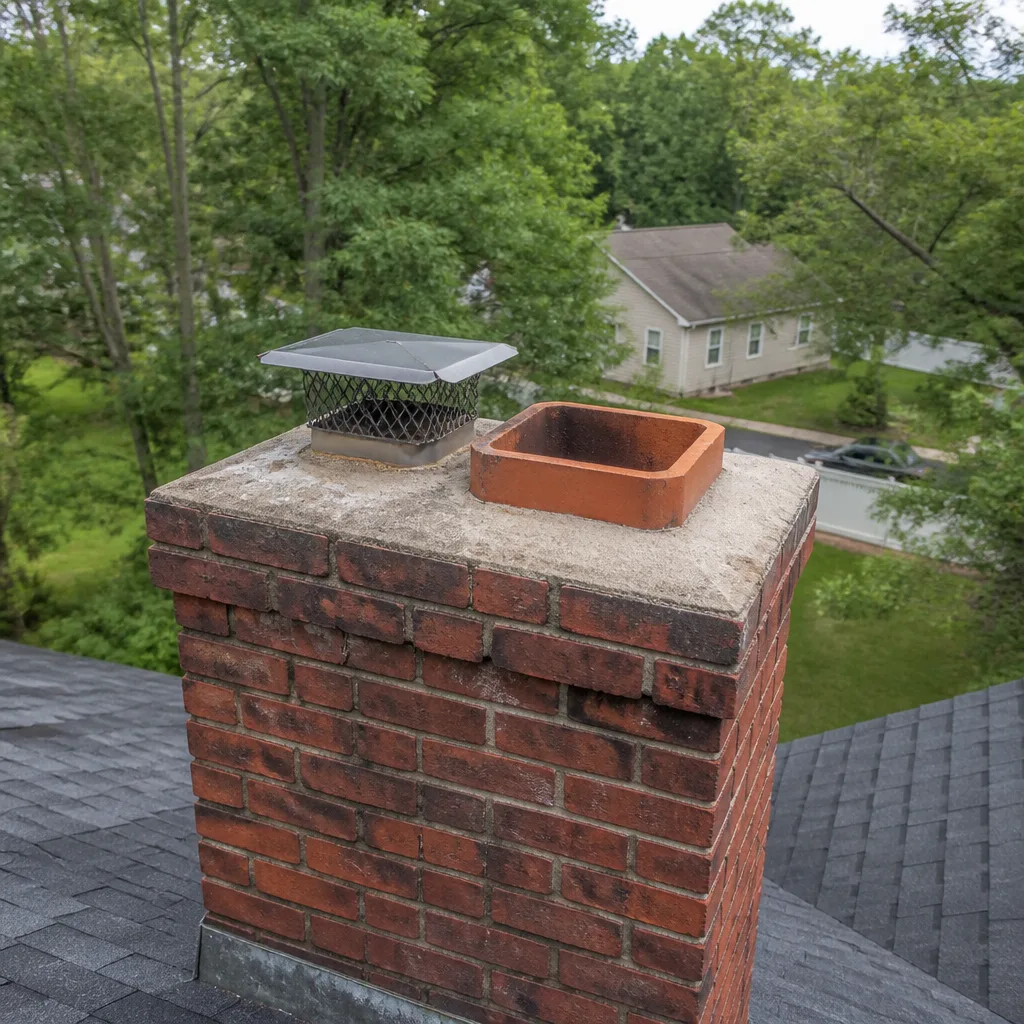
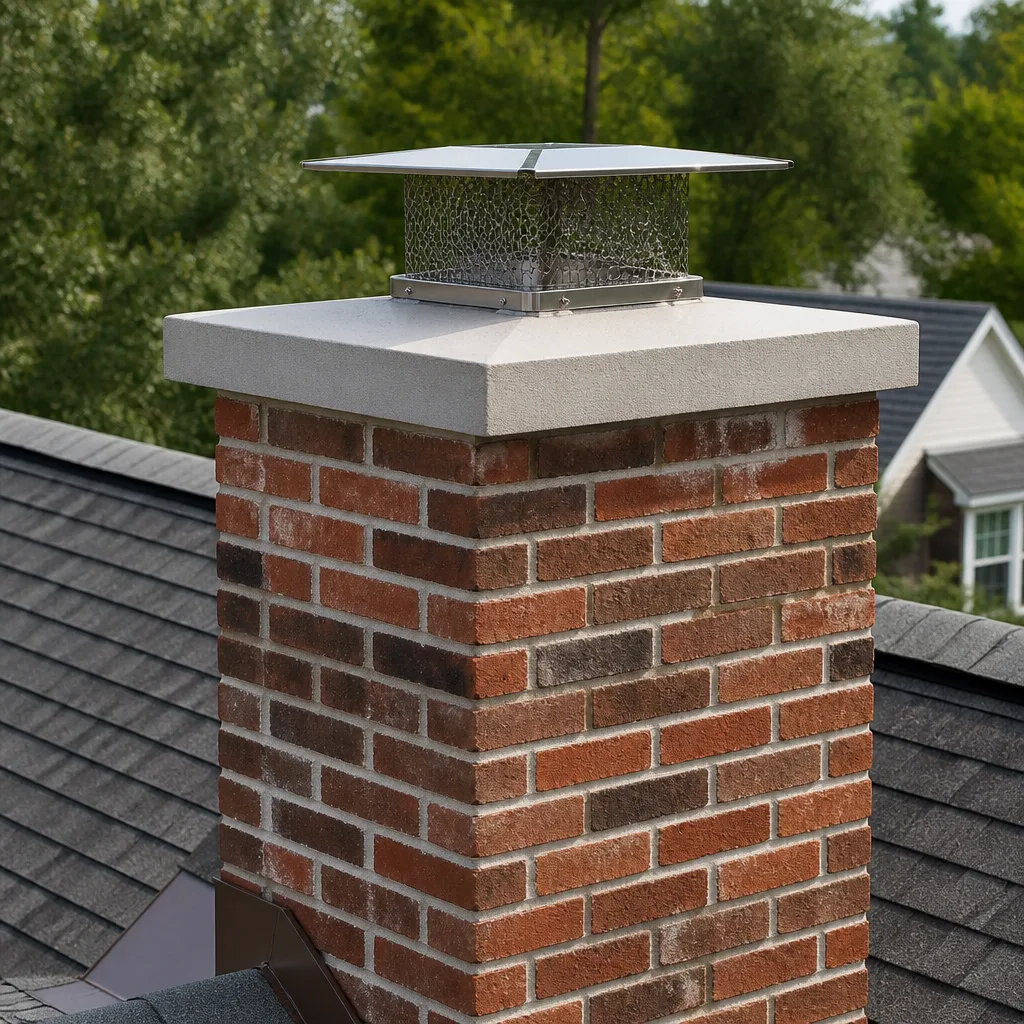
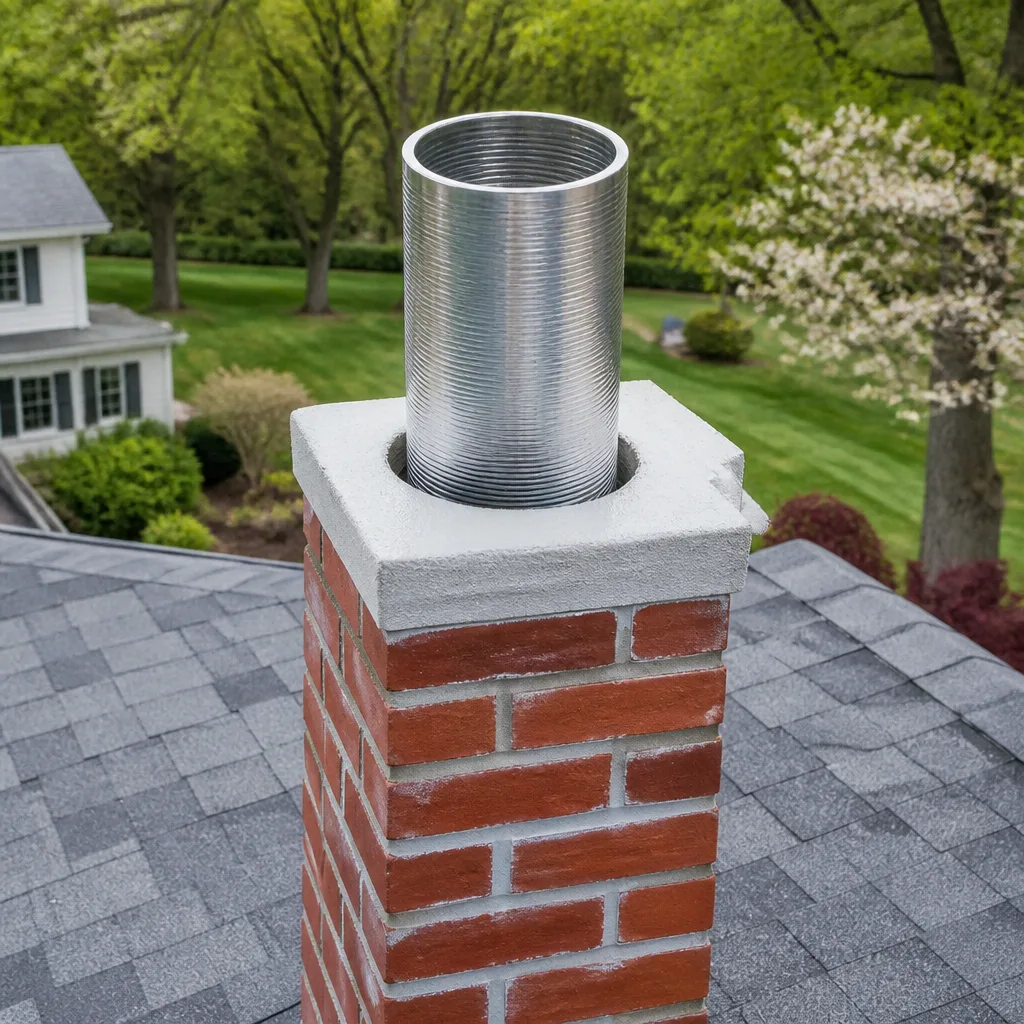
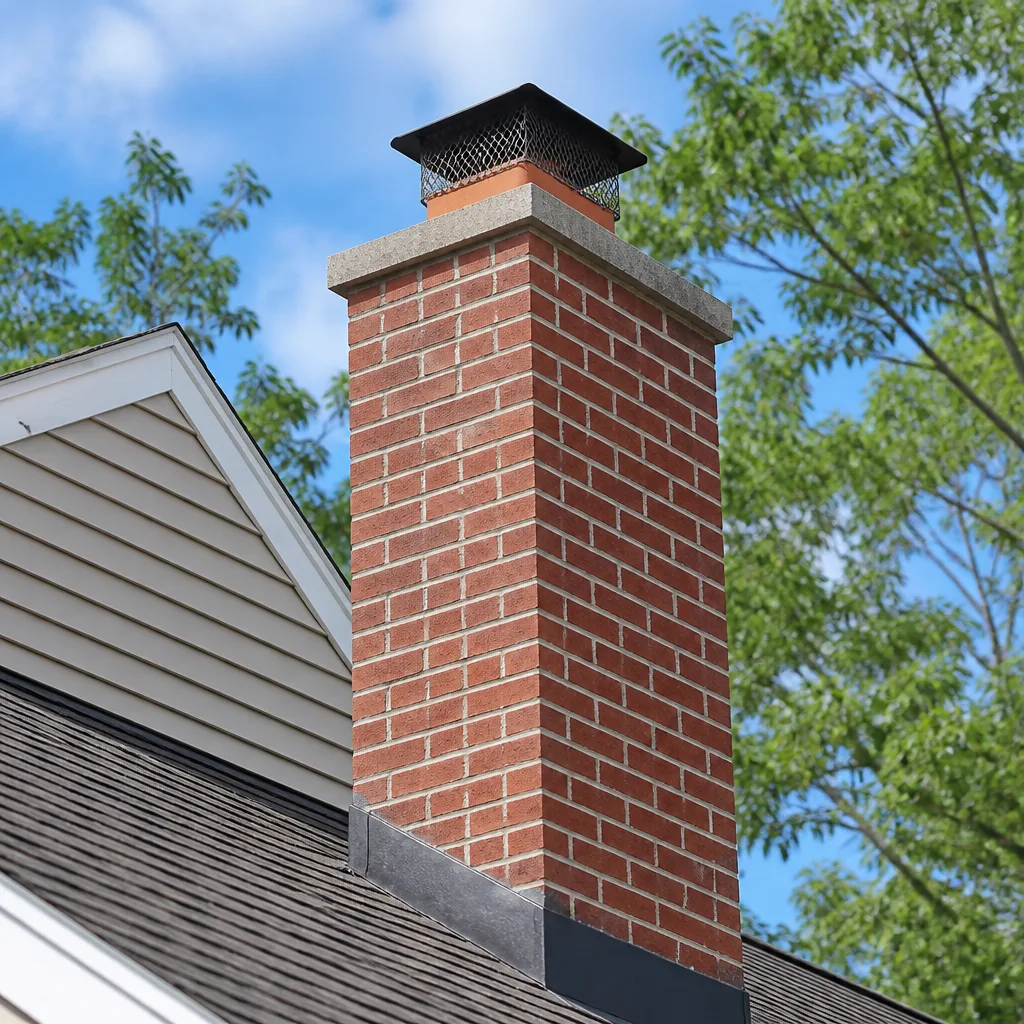
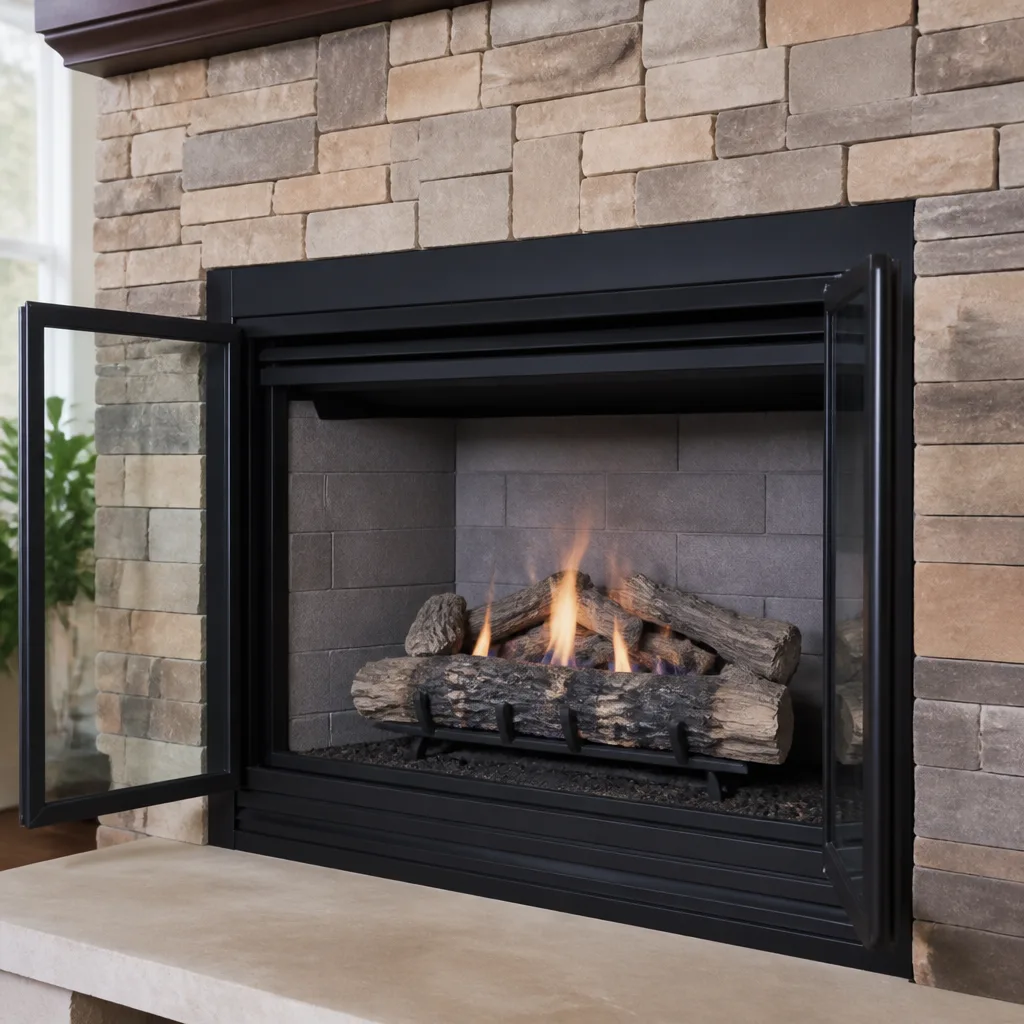
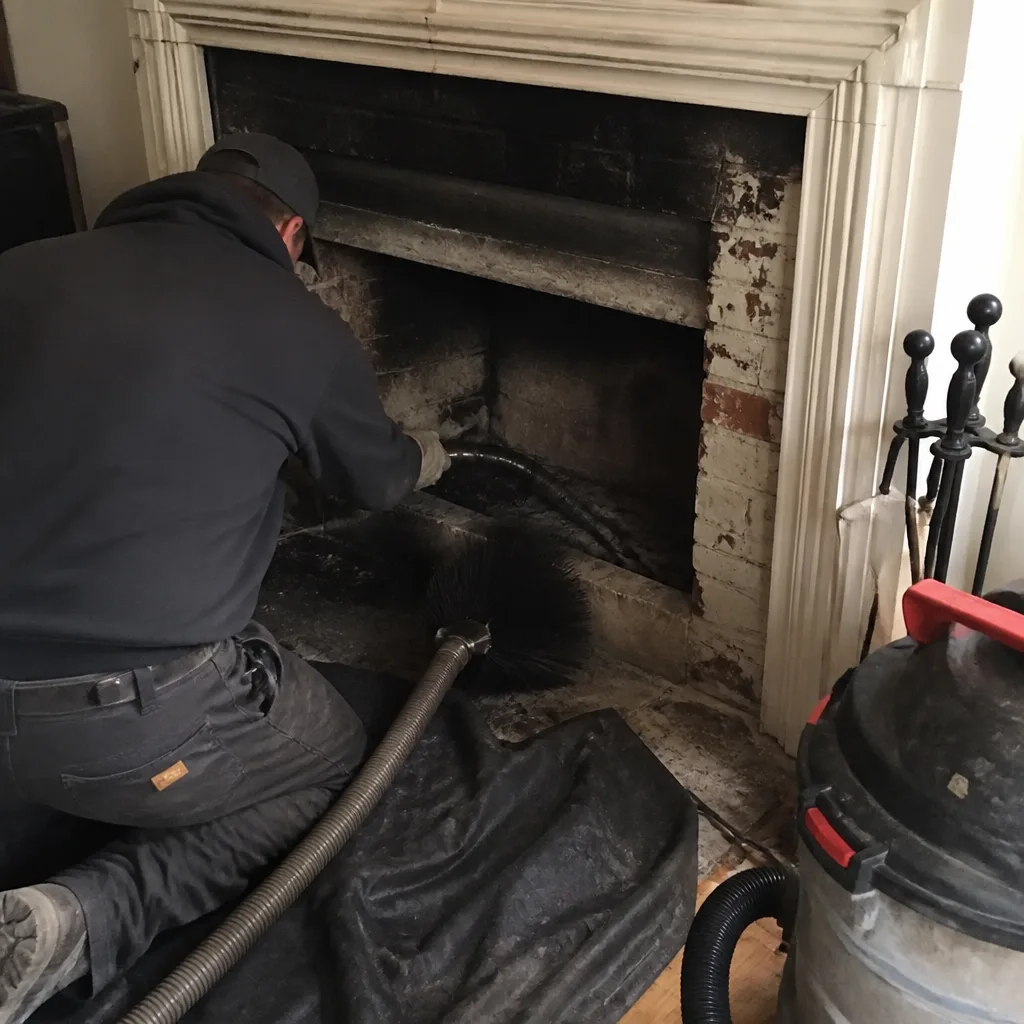 Before
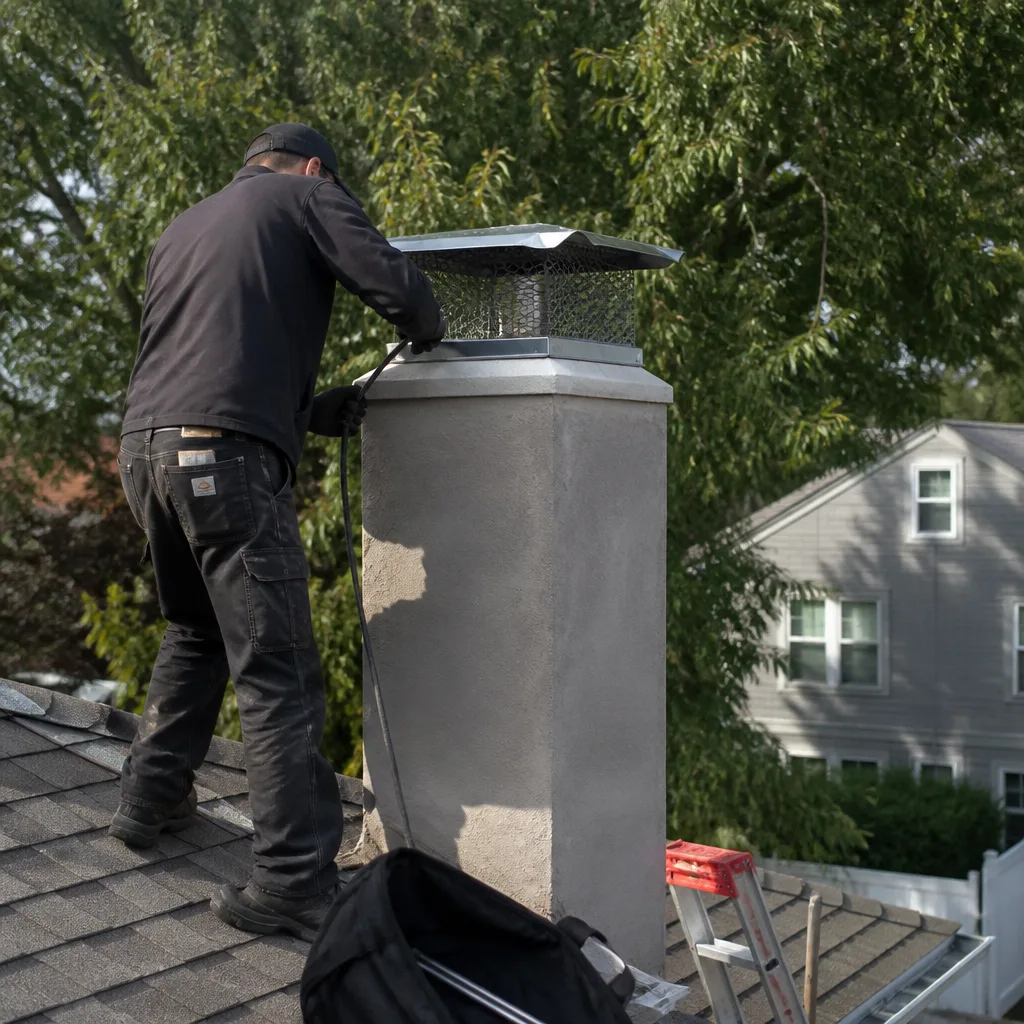 After
After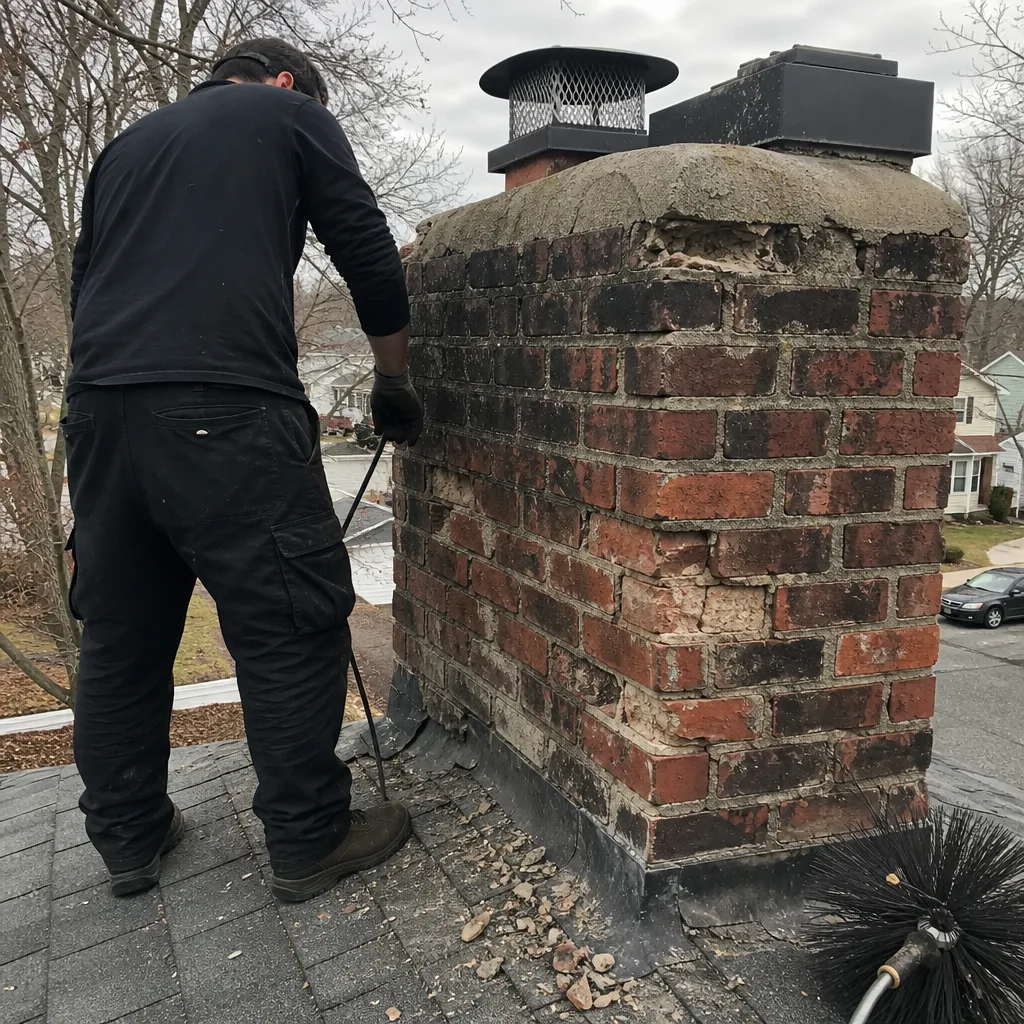 Before
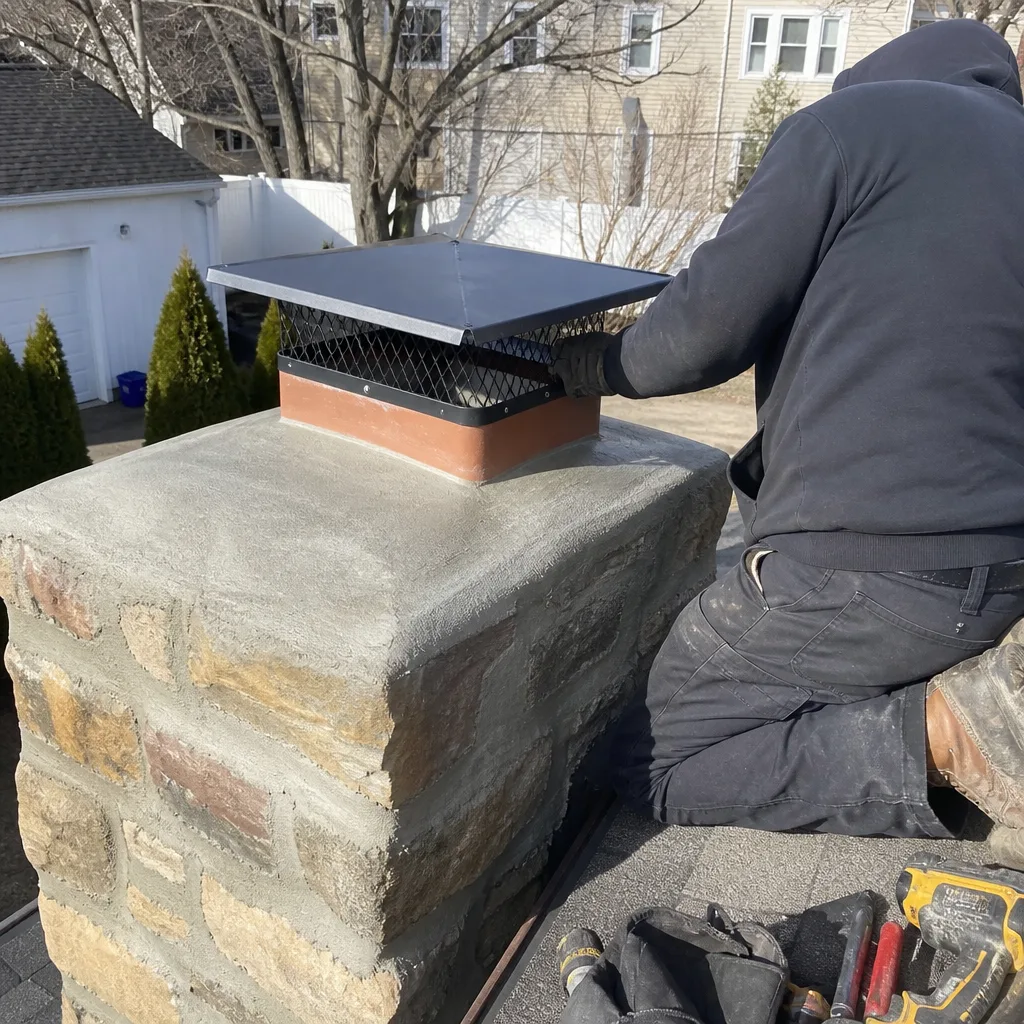 After
After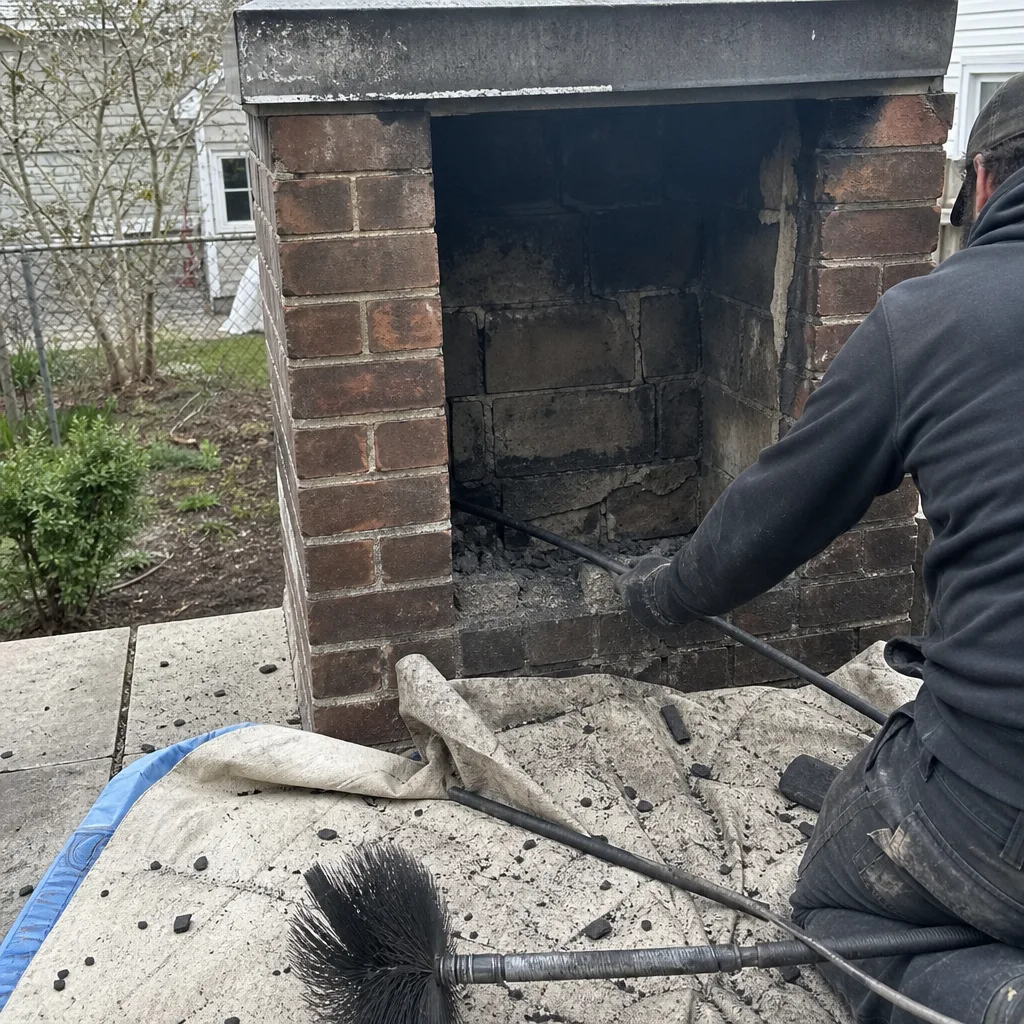 Before
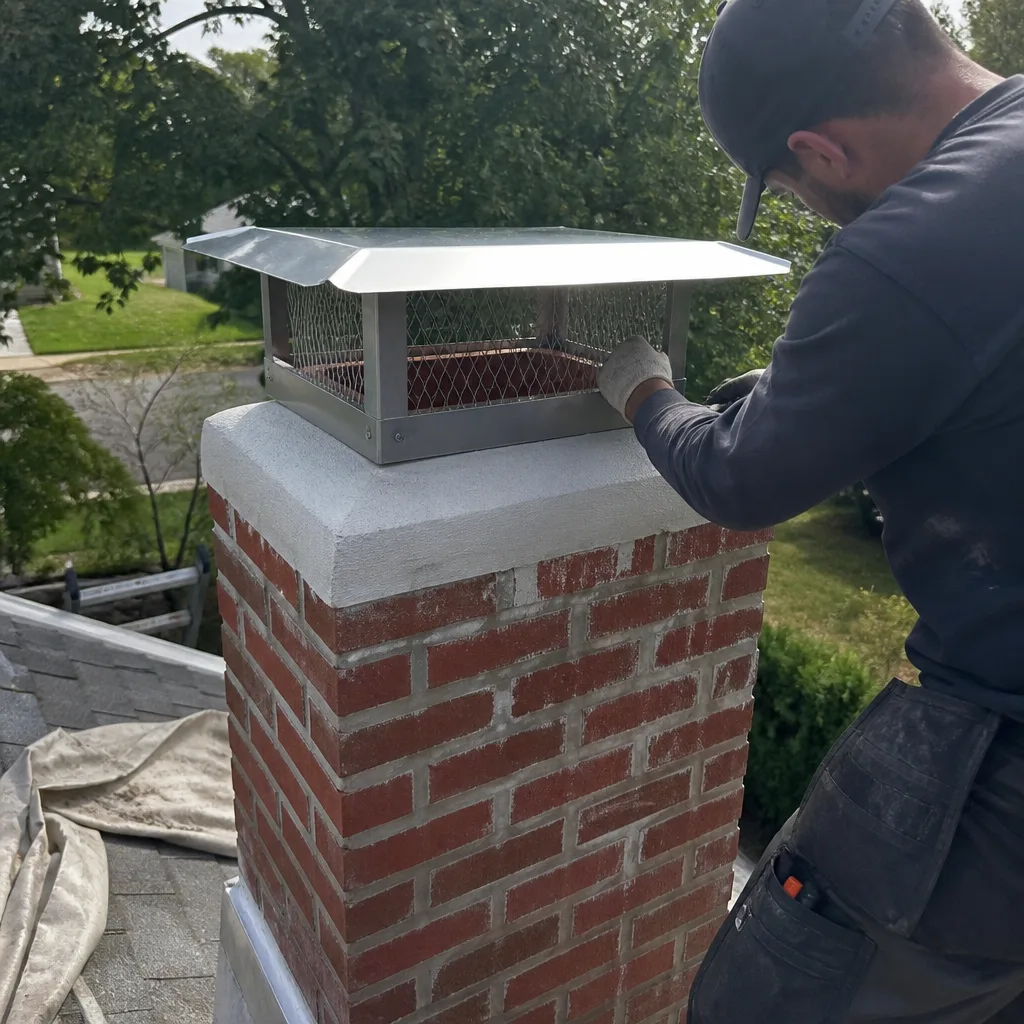 After
AfterDIY vs Professional Chimney Cleaning: The Rockville Centre Homeowner’s Decision Guide
A chimney brush and extension rods run about $80 at any hardware store, and the technique is straightforward enough that a dozen YouTube tutorials will have you feeling confident by lunchtime. What you cannot buy is 42 years of knowing what Stage 2 creosote looks like in a stainless flex-liner versus a clay tile flue, or why that difference changes everything about what happens next. In Rockville Centre, where salt air from the south shore accelerates metal fatigue and our freeze-thaw cycles test masonry joints every winter, the question is not whether you can clean your own chimney. Most mechanically capable homeowners can. The question is whether what you clean is all that needs cleaning, and whether you’ll recognize what you find. This guide walks through what DIY chimney cleaning actually accomplishes, what it cannot, and how to decide which path fits your specific fireplace, fuel type, and situation. For more guides & resources, visit our blog.pe, and use pattern.
Quick Answer
DIY chimney cleaning with a brush kit removes loose soot and Stage 1 creosote from accessible flue walls, which is reasonable for low-use wood fireplaces with recent professional inspections. For Rockville Centre homes with gas inserts, oil heat, pellet stoves, or any fireplace used more than twice weekly, professional cleaning with a Level-2 camera inspection is the safer choice because it reveals liner cracks, hidden creosote buildup, and animal intrusion that no brush can detect or address.
Table of Contents
- What DIY Chimney Cleaning Actually Accomplishes
- The Equipment Gap: Consumer Kits vs. Professional Tools
- What Professionals Find That DIY Misses
- Four Questions to Decide: DIY or Pro?
- Insurance, Liability, and Documentation
- When DIY Cleaning Makes Sense
- Rockville Centre-Specific Factors
- Cost Comparison: Real Numbers
What DIY Chimney Cleaning Actually Accomplishes
A standard consumer chimney brush kit, typically a polypropylene or wire brush head with four to six extension rods, does one thing well: it scrapes loose, flaky deposits from the interior walls of a straight, unobstructed flue. This is Stage 1 creosote, the powdery or flaky black residue that forms when wood burns efficiently with adequate airflow. If your Rockville Centre fireplace sees light use, maybe a few Sunday evenings through January and February, and you had a professional inspection within the last two years that found clean, intact conditions, a DIY cleaning can maintain that status for another season.
Here is what the brush physically reaches. The rods push downward from the firebox or upward from the roof, depending on your comfort with ladders and steep pitches. In a single-story home with a straight flue and no offsets, you can contact most of the flue wall surface. The brush dislodges material that then falls to the firebox, where you shovel it out and vacuum the residue.
Here is what the brush does not do. It does not inspect. It does not measure. It does not reveal what is behind the layer you just brushed away. In our experience across Nassau County, including homes in Rockville Centre’s older neighborhoods like the streets near Mill River Complex and the Village Green, flue tiles crack from thermal shock, stainless liners separate at joints from decades of expansion and contraction, and mortar between flue tiles degrades into sand. None of this is visible to a brush. None of it is addressed by brushing.
The YouTube tutorials also rarely mention that creosote has stages. Stage 1 brushes off. Stage 2, which looks like shiny black flakes or tar-like chips, requires a mechanical rotary whip or chemical treatment to remove safely. Stage 3, the hardened, glazed coating that can resemble obsidian, is a concentrated fuel source and a recognized chimney fire hazard. A homeowner brushing a Stage 3 deposit might think the flue is clean because the surface looks smoother afterward, when in fact they have merely polished the hazard. We have seen this in Rockville Centre homes where the previous owner “kept up with it” for years before selling.
DIY cleaning also does nothing for the smoke chamber, the area above the damper and below the flue tile. This is where the worst creosote accumulation often hides, in a space too narrow for a standard brush and too irregular for rods to navigate. The smoke chamber is also where many chimney fires begin, because temperatures peak there and because homeowners rarely know to look.
The Equipment Gap: Consumer Kits vs. Professional Tools
The hardware store brush kit is a blunt instrument. Professional chimney sweeps use a system of tools matched to the specific flue type, condition, and deposit stage they encounter. Understanding this gap helps clarify what you are actually buying with each approach.
Consumer-grade equipment:
- Polypropylene or light wire brush heads, 6 to 8 inches in diameter
- Threaded fiberglass or steel extension rods, typically 3 to 6 feet each
- Basic ash shovel and shop vacuum for cleanup
- Total investment: $60 to $120
- No inspection capability beyond what your eyes can see from the firebox or roof
Professional-grade equipment:
- Rotary cleaning systems with variable-speed drills and flexible whips that adapt to flue diameter and deposit hardness
- HEPA-filtered vacuums with triple-stage filtration, preventing ash and creosote particles from entering the home
- Video inspection cameras on articulated rods, providing 360-degree views of the entire flue interior, smoke chamber, and firebox top
- Combustion analyzers for gas and oil systems to measure draft, CO levels, and efficiency
- Specialized chemical treatments for Stage 2 and Stage 3 creosote, applied with controlled dwell times
- Drop cloths, vent blockers, and negative-air containment to protect the living space
The critical difference is not the brushing itself. It is the information that comes with it. When our technicians at Chimney Cleaning & Sweep in Rockville Centre complete a service, the homeowner receives dated photos of the flue interior, a written condition assessment, and a plain-English verdict on what needs attention now, what can wait, and what to watch for. This documentation matters for reasons beyond immediate safety, which we will address in the insurance section below.
For Rockville Centre homes with gas fireplaces or inserts, the DIY kit is nearly irrelevant. Gas flues accumulate different deposits: sulfuric acid residue from condensation, deteriorating ceramic fiber logs that shed particles, and in some cases, incomplete combustion byproducts that indicate burner problems. A brush does not diagnose a gas valve issue or a cracked heat exchanger. Professional service includes combustion analysis and inspection of the gas line, pilot assembly, and venting configuration.
What Professionals Find That DIY Misses
After 42 years in this trade, we have stopped being surprised by what hides inside a chimney that looked fine from the firebox. Here are the specific conditions that a brush kit will never reveal, and that a homeowner without training is unlikely to recognize even if they somehow saw them.
Liner cracks and separation. Clay flue tiles crack from thermal shock, often vertically, sometimes horizontally. Stainless steel flex liners separate at the collar or develop pinholes from corrosion. In Rockville Centre, where many homes were built in the 1940s through 1960s with unlined brick chimneys, the original construction may never have included a liner at all. A brush passes over a cracked tile as easily as a sound one. A camera reveals the gap, the spalling, the gaping mortar joints that allow combustion gases to enter wall cavities.
Deteriorating smoke chambers. The smoke chamber is the inverted funnel above the damper, typically built of corbelled brick or parged with mortar. Building codes have tightened smoke chamber requirements over decades, and many Rockville Centre homes do not meet current standards. The parging cracks, the corbelling creates ledges where creosote accumulates, and the shape itself may create turbulence that reduces draft. We address smoke chamber issues with HeatShield refractory mortar, a professional-grade product that restores smooth, code-compliant surfaces. No consumer kit includes this capability.
Animal intrusion and nesting. Squirrels, raccoons, and chimney swifts find uncapped flues irresistible. A nest can block the flue partially or completely, creating carbon monoxide hazards or chimney fire risks from accumulated organic material. The nest may be above the reach of a brush, or behind a liner where it is invisible from below. Our technicians remove nesting material, install proper chimney caps and screening in Rockville Centre using Gelco and Olympia Chimney products, and document the condition that allowed entry.
Hidden creosote behind offsets and bends. Many chimneys, especially in older homes with multiple fireplace additions, have flue offsets to navigate around structural elements. A straight brush rod cannot navigate a 30-degree offset. Creosote accumulates on the back side of these bends, out of reach and out of sight, often reaching Stage 2 or Stage 3 while the accessible portions look clean.
Water intrusion and freeze-thaw damage. Rockville Centre’s coastal climate means more freeze-thaw cycles than inland locations, and more salt-laden air that accelerates metal corrosion. Water enters through cracked crowns, deteriorated flashing, or failed mortar joints. Inside the flue, it mixes with creosote to form acidic compounds that eat liners and mortar. A brush does not reveal the water stain pattern, the efflorescence, or the freeze-thaw spalling that signals a crown or flashing failure. Professional inspection identifies the source and extent, and repair with proper materials like those from Famco prevents recurrence.
Improper clearances and combustible contact. This is the one that keeps us up at night. In older homes, framing members sometimes contact the masonry chimney where they should have two inches of clearance. Pyrolysis, the slow decomposition of wood from repeated low-grade heat exposure, lowers the ignition temperature over years or decades. The wood looks normal. It can ignite without direct flame contact. Only a trained inspector knows where to look and what to measure. No brush kit includes a clearance gauge or a thermal imager.
Four Questions to Decide: DIY or Pro?
Use this framework to move beyond generic advice and assess your specific situation. We developed these questions after decades of conversations with Rockville Centre homeowners who wanted a straight answer, not a sales pitch. If you’re considering hiring help, see our guide on How to Hire a Chimney Cleaning Contractor in Rockville Centre: A Step-by-Step Guide.
Question 1: What fuel do you burn, and how often?
Low-use wood fireplaces, fewer than twenty fires per season, with well-seasoned hardwood and no known issues: DIY maintenance between professional inspections is reasonable. Gas fireplaces, pellet stoves, oil-fired appliances, or any wood fireplace used as primary or significant supplemental heat: professional service annually, with camera inspection every two to three years minimum. The combustion byproducts differ, the system complexity differs, and the consequences of missed conditions differ.
Question 2: When was your last professional inspection, and what did it find?
A clean Level-2 inspection within 24 months, with documented photos showing sound liner, clean flue, and no recommended repairs: you are maintaining, not discovering. DIY cleaning extends that status. No inspection in five years or more, or any history of recommended repairs that were deferred: professional inspection before any DIY attempt. You need to know what you are working with.
Question 3: What is your chimney’s construction and age?
Single-story home, straight flue, clay tile liner installed after 1980, no known offsets or modifications: DIY brushing is mechanically feasible. Two or more stories, unlined brick construction pre-1960, known offsets, previous chimney fire history, or any structural modifications including inserts or stove connections: professional service only. The physical reach, the weight of the rods, the roof access, and the system complexity all escalate beyond consumer capability.
Question 4: What is your tolerance for undetected risk?
This is the honest one. DIY cleaning reduces visible soot and provides psychological satisfaction. It does not provide documentation, professional liability coverage, or detection of hidden hazards. If you are comfortable with that trade-off, and your answers to questions 1 through 3 support it, DIY is a reasonable choice. If you have any doubt, or if your homeowner’s insurance policy requires professional documentation, the $200 to $350 for professional service is the cost of certainty.
Insurance, Liability, and Documentation
This is the dimension most DIY guides ignore entirely, and it matters more as homes and homeowners age. After a chimney fire or carbon monoxide incident, your homeowner’s insurance company will ask for maintenance records. What you provide, or fail to provide, affects coverage determination.
Most policies do not explicitly require professional chimney maintenance. They do require “reasonable care” and may deny claims where negligence contributed to the loss. A handwritten log of DIY brushings, with no photos, no third-party verification, and no technical assessment of the flue condition, is weak evidence of reasonable care. A dated invoice from a licensed, insured chimney professional with attached inspection photos and a written condition report is strong evidence.
We are not insurance agents, and policy language varies. In our experience serving Rockville Centre and surrounding Nassau County communities, we have seen claims adjusters request professional inspection documentation specifically after chimney fires. The homeowner who brushed their own flue religiously but had no professional inspection in a decade faced questions they could not answer well.
Professional service also carries liability insurance. If a Hearthstone technician misses a cracked flue tile that later contributes to a fire, our errors and omissions coverage responds. If you miss it during DIY cleaning, you absorb the full financial and physical consequence. This is not fear-mongering. It is the same reason most homeowners hire licensed electricians for panel work rather than reading a guide and buying wire strippers. Chimney flues, like electrical panels, involve genuinely dangerous conditions that trained professionals are equipped to identify and address.
For the safety of homeowners who do choose DIY, we will state this clearly: do not attempt roof access if you are uncomfortable with heights, if your roof is steep or wet, or if you lack proper fall protection. Chimney-related injuries from falls exceed injuries from fires in our region. The brush kit is not worth a broken hip.
When DIY Cleaning Makes Sense
We are not opposed to competent homeowners maintaining their own equipment. There are specific scenarios where DIY chimney cleaning is a reasonable, even prudent choice.
- Low-use wood fireplace with recent clean inspection. Twenty or fewer fires per season, hardwood only, damper and cap in good condition, and a Level-2 professional inspection within two years showing sound flue and liner. Annual DIY brushing maintains cleanliness between professional inspections on a three-year cycle.
- Supplemental maintenance between professional visits. You had professional service last season, burn moderately, and want to reduce soot buildup mid-season. A light DIY brushing from the firebox, with proper ash containment and HEPA vacuuming, is reasonable supplementary care.
- Experienced homeowner with known system history. You have owned your Rockville Centre home for fifteen years, had three professional inspections with consistent clean reports, know your flue construction and condition intimately, and are physically capable of safe roof or firebox access. Your risk profile is lower than a new homeowner with unknown history.
- Budget constraint with planned professional inspection. You cannot afford both DIY and professional service this season, but you can afford a brush kit now and a professional inspection in six months. The DIY cleaning reduces immediate creosote accumulation while you save for proper inspection. This is imperfect but rational, provided you do not defer the professional inspection indefinitely.
What does not make sense: DIY cleaning as a permanent replacement for professional inspection in any home with regular use, any gas or oil appliance, any known or suspected condition, or any home being prepared for sale. Buyers and their insurers will want professional documentation, not your word that you kept up with it.
Rockville Centre-Specific Factors
Geography and local building stock shape chimney maintenance needs in ways that national DIY guides cannot address. Here is what matters for Rockville Centre homeowners specifically.
Salt air and coastal corrosion. Rockville Centre sits roughly four miles from the Atlantic, close enough that salt-laden air accelerates metal fatigue. Stainless steel liners that might last 25 years inland show corrosion in 15 years here. Galvanized caps and flashing deteriorate faster. Professional inspection catches this accelerated aging before it becomes a leak or structural issue. DIY brushing does not.
Age and diversity of housing stock. Rockville Centre includes homes from the 1920s through new construction, with chimney systems reflecting every era of building code evolution. The Craftsman bungalows near the railroad tracks, the postwar Cape Cods off Sunrise Highway, and the center-hall Colonials in the village core each present different flue constructions, clearances, and typical failure modes. A generic DIY approach does not account for these variations. Our technicians know the local housing stock and what each era typically needs.
Freeze-thaw severity. Nassau County experiences 60 to 90 freeze-thaw cycles annually, with Rockville Centre’s proximity to the water moderating extremes slightly but not eliminating them. Water that enters masonry through crown cracks or failed flashing expands with each freeze, progressively destroying mortar joints and brick faces. This damage accelerates dramatically once begun. Professional inspection identifies the entry point; proper repair with materials rated for our climate, like those from our fireplace services in Rockville Centre, stops the cycle.
Local permit and code considerations. Rockville Centre requires permits for chimney rebuilding, liner replacement, and certain repairs. The Village Building Department enforces the New York State Uniform Fire Prevention and Building Code, which includes specific chimney and venting requirements. Professional work includes permit handling and code compliance verification. DIY maintenance that reveals a needed repair still requires professional engagement and permitting for the repair itself.
Neighborhood tree canopy and wildlife. Rockville Centre’s mature oak and maple canopy supports squirrel and raccoon populations that exploit uncapped chimneys readily. The pond at Mill River Complex and surrounding green space provide habitat. Animal intrusion is more common here than in more densely developed areas. Professional inspection includes cap and screening assessment; DIY brushing does not.
Cost Comparison: Real Numbers
Cost is a valid consideration, and homeowners deserve honest numbers without hidden inflation. Here is what DIY and professional chimney cleaning actually cost in the Rockville Centre market as of 2024-2025.
| Service or Item | DIY Cost Range | Professional Cost Range |
|---|---|---|
| Basic brush kit (brush + rods) | $60 - $120 | N/A |
| HEPA shop vacuum (if not owned) | $150 - $300 | Included |
| Safety equipment (goggles, respirator, drop cloths) | $40 - $80 | Included |
| Chimney cleaning with basic inspection | Labor only (your time) | $180 - $280 |
| Level-2 camera inspection | Not available | $250 - $400 |
| Creosote treatment (Stage 2-3) | Not available | $150 - $350 additional |
| Documentation for insurance | Self-generated | Included |
| Repair work if needed | Requires subsequent pro hire | Quoted upfront, no surprises |
The professional pricing above reflects our no-hassle upfront pricing at Hearthstone Chimney Co. The number on the estimate is the number on the invoice. We also offer a $89 Seasonal Tune-Up for qualifying systems, $50 off any repair over $250, and a permanent 5% Senior and Veteran discount. Our Hearthstone Chimney Co. home page lists current offers.
For most Rockville Centre homeowners, the professional service cost equals one or two months of cable television, or a single restaurant dinner for four. Spread across annual or biennial frequency, it is not a budget-breaking expense. The DIY savings are real but narrower than they appear once equipment, time, risk, and documentation value are fully accounted.
Common Mistakes to Avoid
- Brushing a damaged flue. If tiles are cracked or a liner is separating, the brush can worsen the damage, dislodging fragments that obstruct the flue or fall into the fireplace. Always inspect visually from both ends before brushing; if you see cracks, stop and call a professional.
- Using the wrong brush material. Wire brushes on clay flue tiles can score and weaken the surface. Poly brushes on heavy creosote glaze merely polish it. Match brush type to flue material and deposit condition, or you may cause damage or leave a hazard in place.
- Neglecting the smoke chamber and firebox. The flue is not the only surface that accumulates creosote. The smoke chamber above the damper and the firebox floor and walls also need attention. DIY kits rarely include tools for these spaces.
- Improper ash and creosote disposal. Creosote is a classified combustible. Hot ashes have caused dumpster and garage fires days after removal. Dispose of chimney debris in metal containers with tight lids, away from structures, and never mix with household trash until fully cold.
- Skipping roof inspection of the crown and cap. The top of your chimney is where water enters and animals access. A DIY cleaning from the firebox ignores this critical area. At minimum, binocular inspection from ground level or a neighbor’s window is needed; better is professional assessment with proper fall protection.
- Assuming gas fireplaces need no maintenance. Gas flues accumulate acidic condensation residue and ceramic fiber debris. Burner ports clog. Venting configurations fail. The DIY brush kit is irrelevant to these issues. Annual professional service is the correct maintenance path.
- Deferring professional inspection indefinitely. DIY cleaning as a cost-saving bridge is rational. DIY cleaning as a permanent replacement for professional assessment is not. Set a calendar reminder; the three-year cycle is the maximum interval for low-use wood fireplaces, annually for everything else.
When to Call a Professional
Call a professional chimney sweep when your system uses gas, oil, or pellets; when your last inspection is more than two years past; when you observe any of these signs: smoke backing into the room, a strong odor from the fireplace in warm weather, visible cracks in the firebox or flue tile, water stains on the ceiling near the chimney, or animal sounds from the flue. Call when you are preparing your home for sale, when your insurance policy requires documentation, or when you simply want the certainty that comes from photos you can see and a plain-English verdict you can understand.
Hearthstone Chimney Co. offers free estimates in Rockville Centre. Our background-checked, uniformed technicians complete most jobs in a single visit, and a live person answers our phones 24 hours a day, 7 days a week. Call (631) 498-8835 to schedule. We have served local communities for over 42 years, and we plan to be here when your chimney needs us again.
Frequently Asked Questions
Professional chimney cleaning in Rockville Centre typically costs $180 to $280 for a standard wood-burning fireplace with basic inspection, and $250 to $400 for a Level-2 inspection with camera documentation. Hearthstone Chimney Co. offers a $89 Seasonal Tune-Up for qualifying systems, $50 off repairs over $250, and a permanent 5% Senior and Veteran discount. Call (631) 498-8835 for an exact quote on your specific system.
The National Fire Protection Association recommends annual inspection for all chimney systems, with cleaning frequency determined by use and fuel type. Wood fireplaces used regularly need annual sweeping; low-use wood fireplaces can extend to every two to three years with professional inspection. Gas, oil, and pellet systems need annual professional service regardless of apparent cleanliness. Rockville Centre’s coastal climate and freeze-thaw cycles make professional inspection particularly valuable for detecting accelerated deterioration. Our Seasonal Chimney Cleaning Care for Rockville Centre: Year-Round Homeowner’s Guide explains how to time maintenance through all four seasons. Call (631) 498-8835 to set a schedule appropriate for your system.
You need a new liner when the existing one is damaged, improperly sized, or absent, and when the chimney is used for any combustion appliance. Cracked clay tiles, separated stainless flex, or unlined brick construction all create fire and carbon monoxide hazards that brushing cannot address. We document liner condition with camera photos and explain whether repair or replacement is needed, using professional-grade materials from DuraFlex, HeatShield, and other trusted brands. Nothing is recommended without visual evidence you can see for yourself. Call (631) 498-8835 for a free inspection and honest assessment.
Skipped cleaning allows creosote to accumulate, progressing from Stage 1 (brushable) to Stage 2 (requires mechanical removal) to Stage 3 (glazed, highly combustible). Chimney fires from Stage 3 creosote can exceed 2,000 degrees, damaging liners and igniting adjacent framing. Even without fire, blocked or deteriorated flues vent carbon monoxide into living spaces. In Rockville Centre’s older housing stock, deferred maintenance also allows water intrusion that destroys masonry from within. The cost of prevention is modest; the cost of remediation or tragedy is not. Call (631) 498-8835 to schedule before burning season.
No. Gas fireplace maintenance requires combustion analysis, burner inspection, venting verification, and assessment of ceramic log condition and gas valve operation. Consumer brush kits do not address gas-specific issues and may damage delicate components. Annual professional service is the correct and safe approach for all gas fireplace systems. Hearthstone Chimney Co. provides this service with documented results and upfront pricing. Call (631) 498-8835 to schedule.
A Level-2 inspection, which we recommend for all Rockville Centre homeowners, includes visual examination of accessible interior and exterior chimney components, video camera inspection of the full flue length, smoke chamber and firebox assessment, damper operation check, crown and cap condition evaluation, and written report with dated photos. We explain findings in plain English, recommend only what is needed with priority ranking, and provide documentation suitable for insurance and real estate transactions. Our 90-Day Done Right Promise covers all work in writing with no arguing. Call (631) 498-8835 to schedule.
The Bottom Line
DIY chimney cleaning is mechanically straightforward and financially modest, but it is maintenance, not diagnosis. It reaches what a brush can touch and reveals only what eyes can see from limited angles. For Rockville Centre homeowners with low-use wood fireplaces, recent clean inspections, and comfortable roof access, it is a reasonable supplement to professional care. For everyone else, and for every system at regular intervals, professional service with camera inspection provides detection, documentation, and accountability that no consumer kit can match. The real decision is not whether you can clean your own chimney. Most can. The decision is whether you are confident that what you clean is all that needs attention, and whether you will recognize the condition that changes everything. If you have any doubt, a professional inspection is the cost of certainty, and it is modest compared to the alternatives.
Written by Russell Haines, Owner at Hearthstone Chimney Co., serving Rockville Centre since 2014.