
Last updated September 10, 2026
Level 1 sweep and inspection to the NFPA 211 annual standard - flue, crown, cap, and flashing checked and photographed
Chimney sweep logs do not sweep chimneys. They loosen some creosote - which then falls where a brush and vacuum still have to collect it.
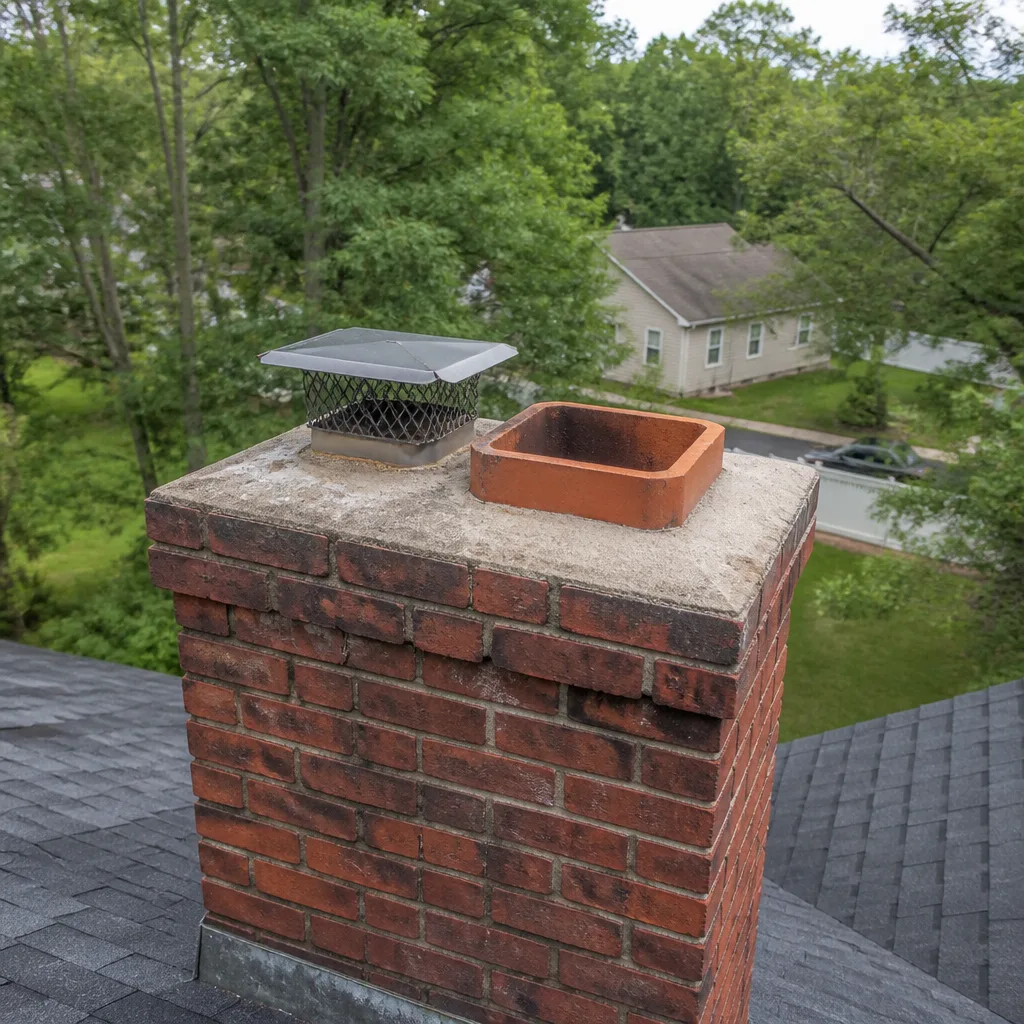
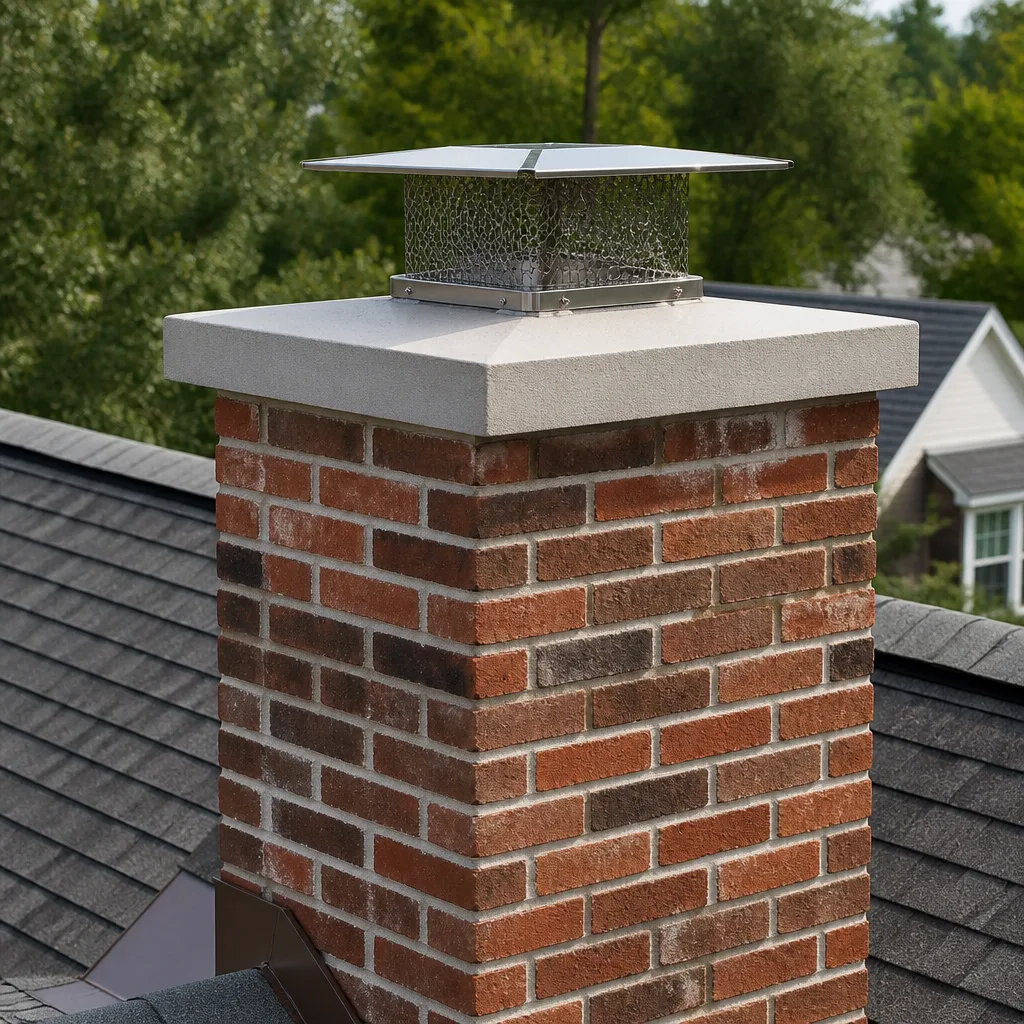
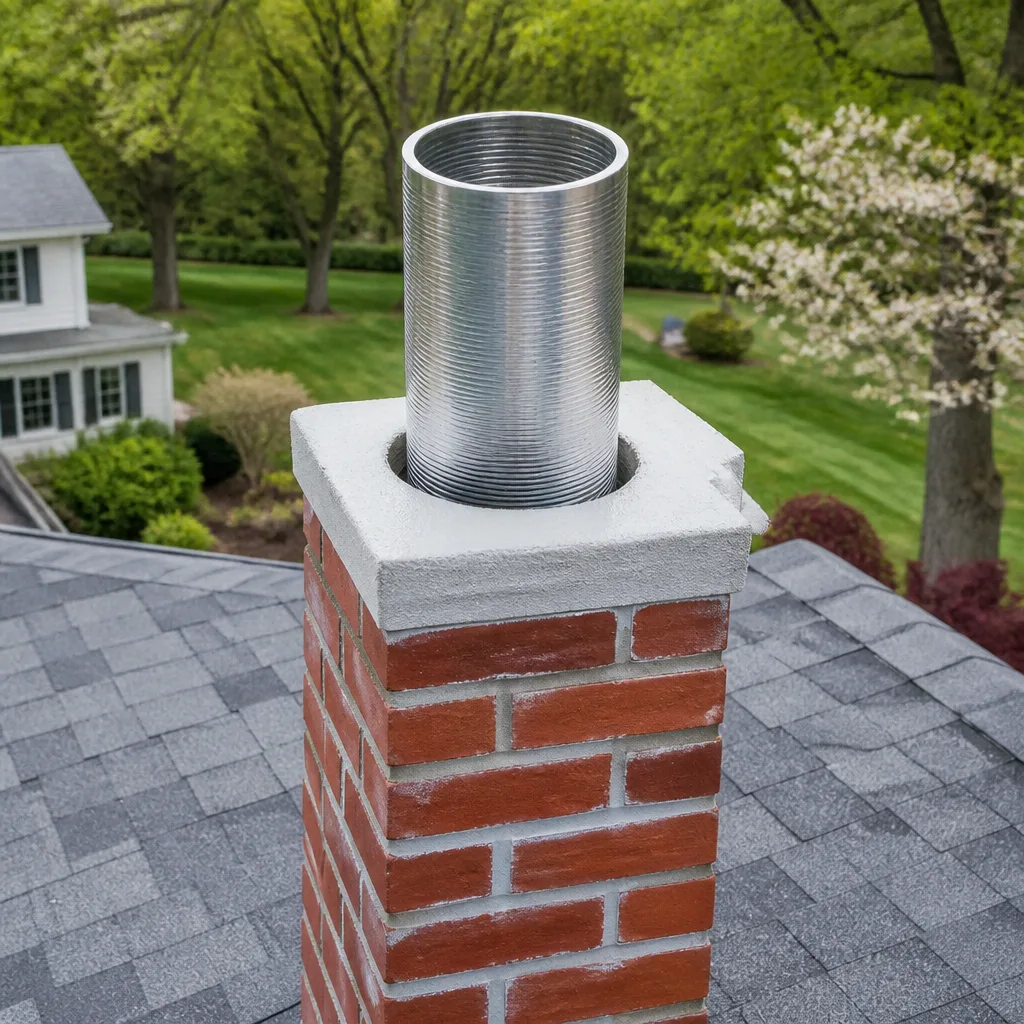
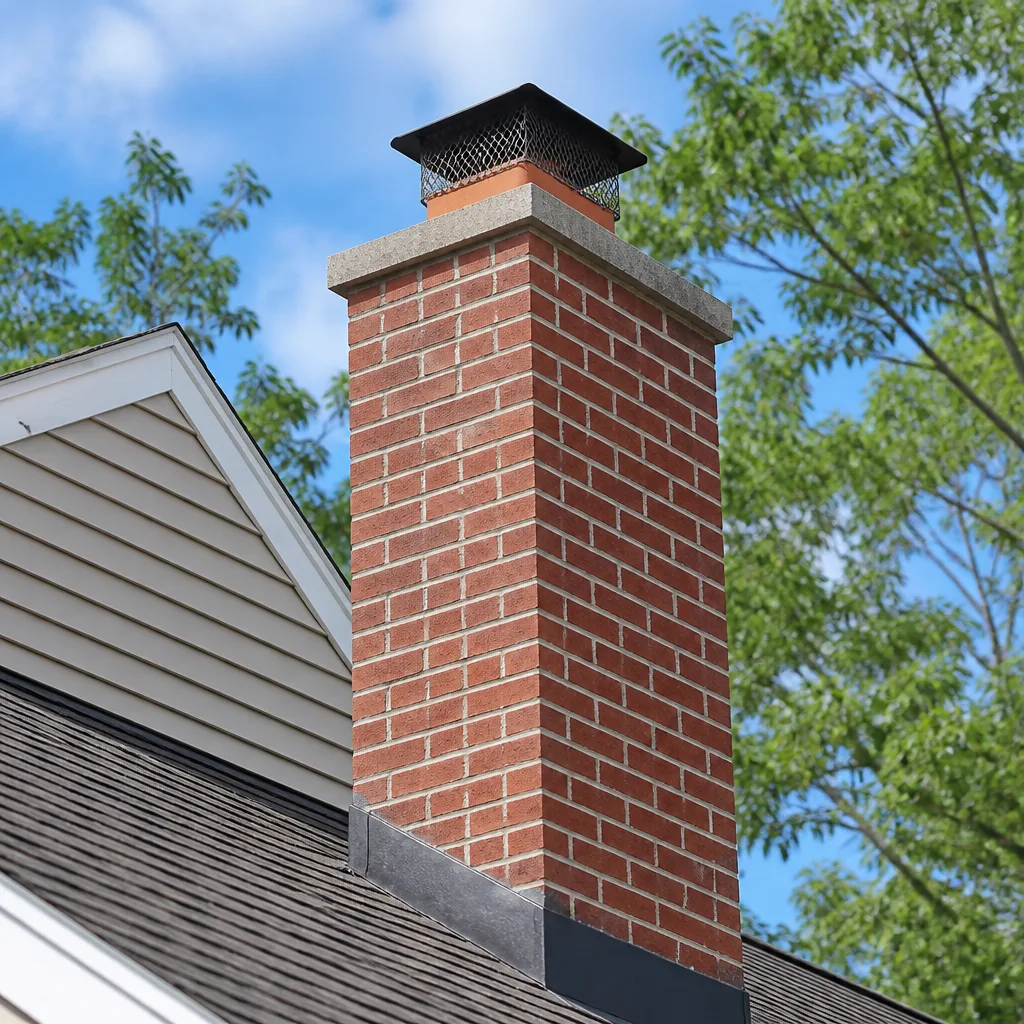
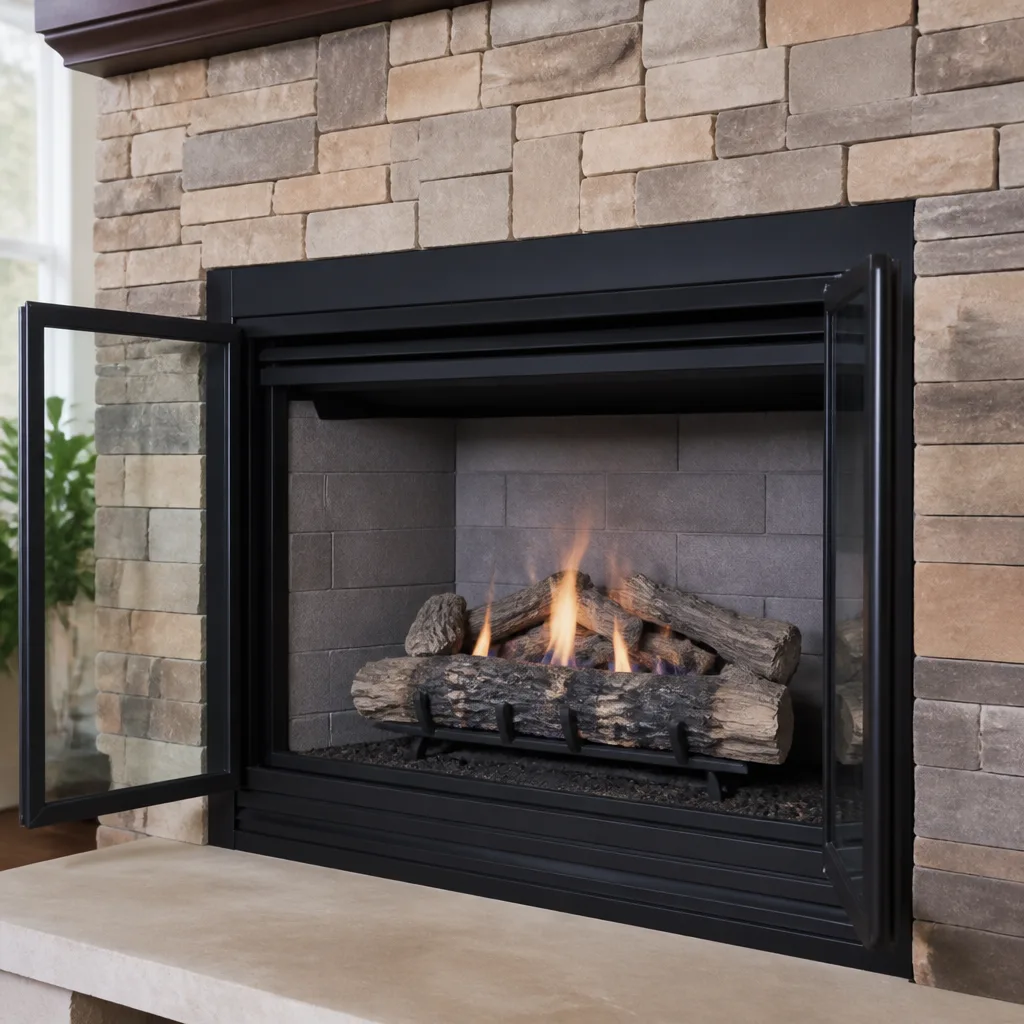
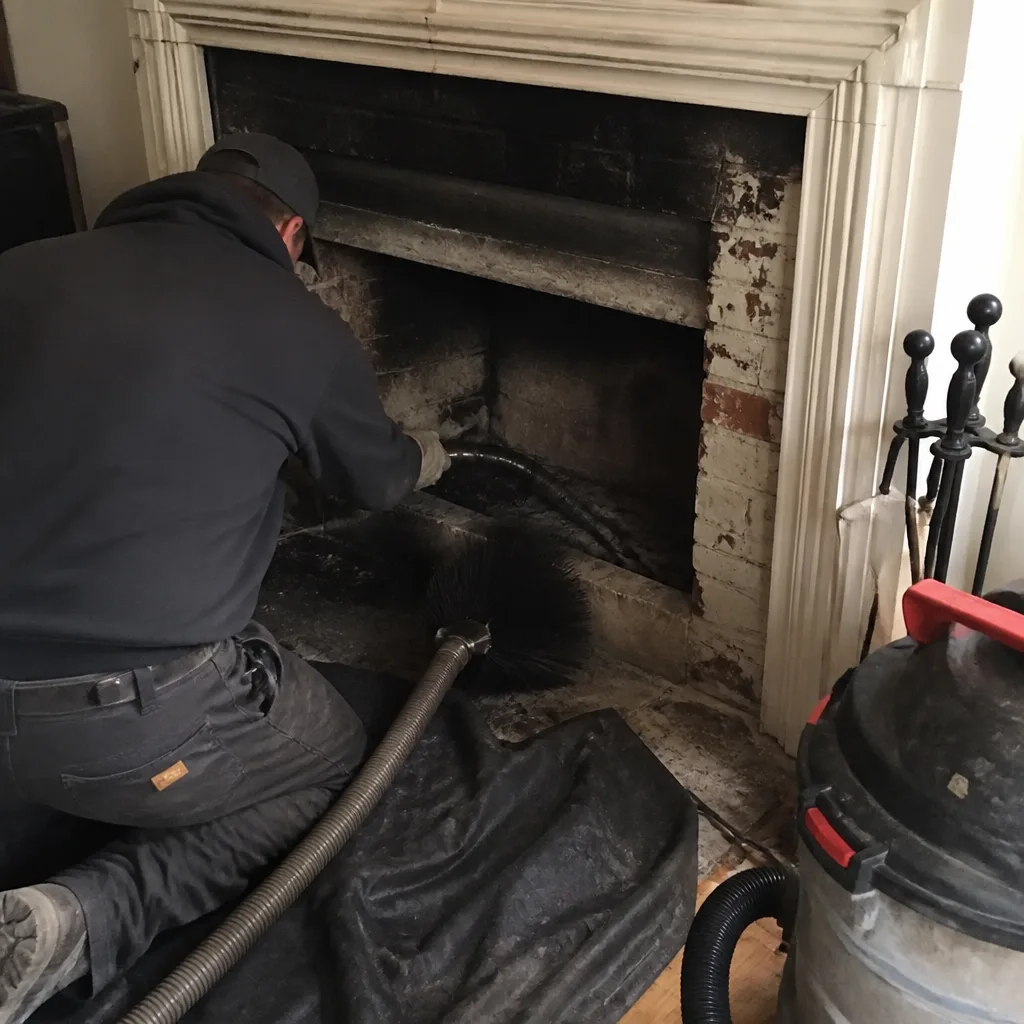 Before
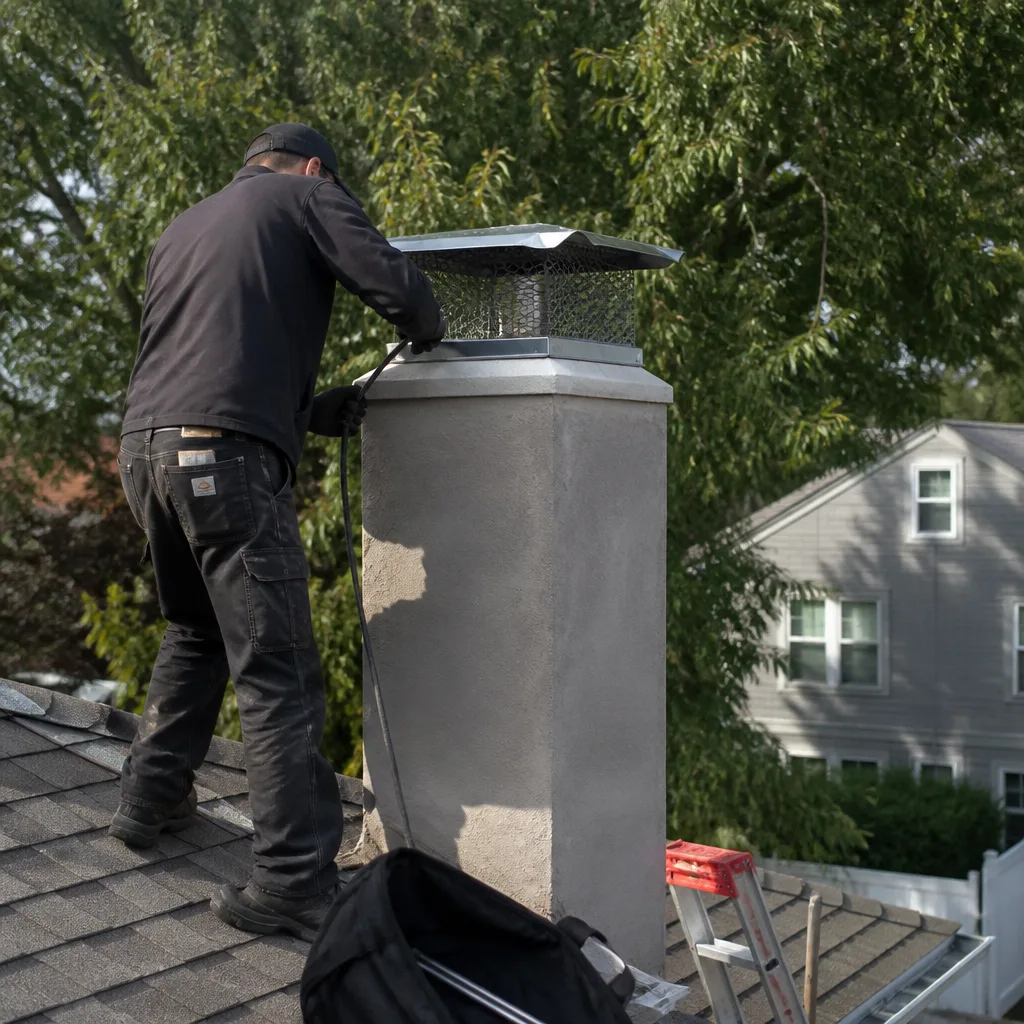 After
After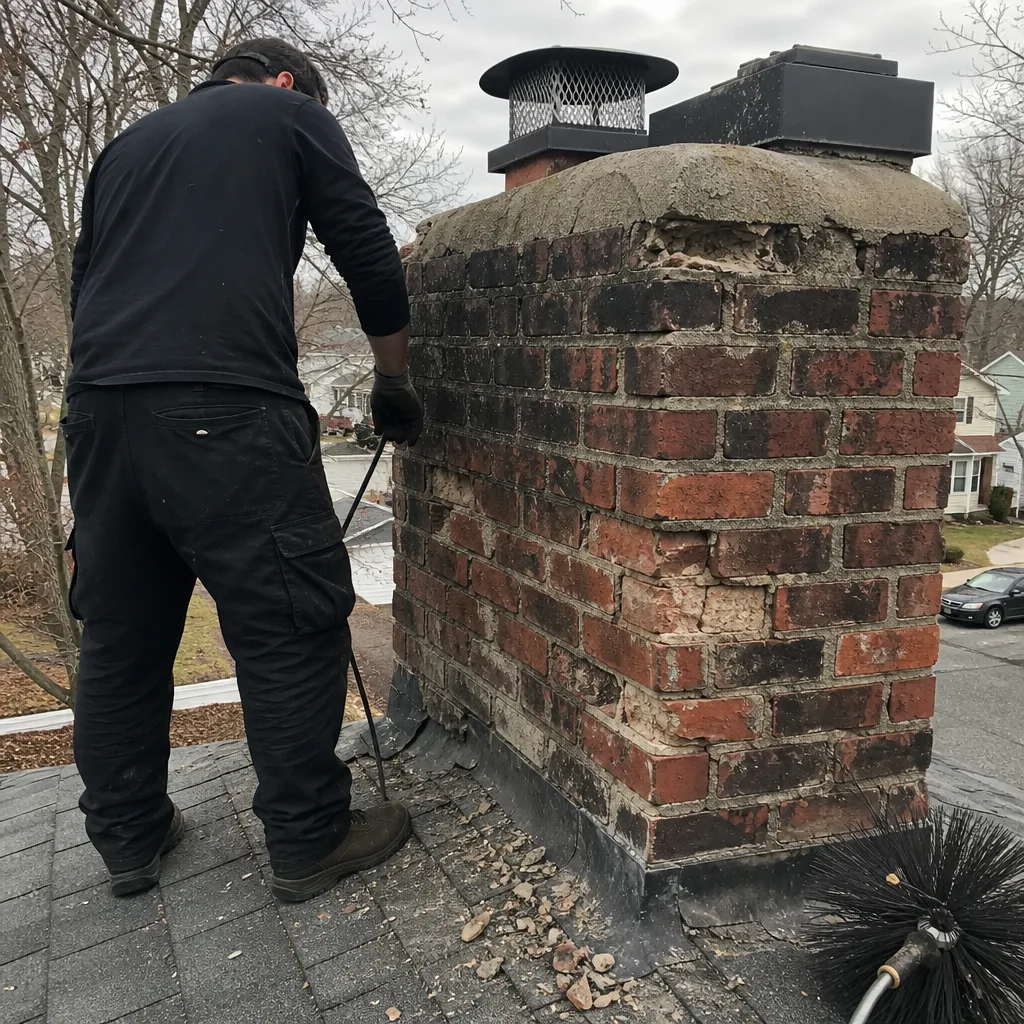 Before
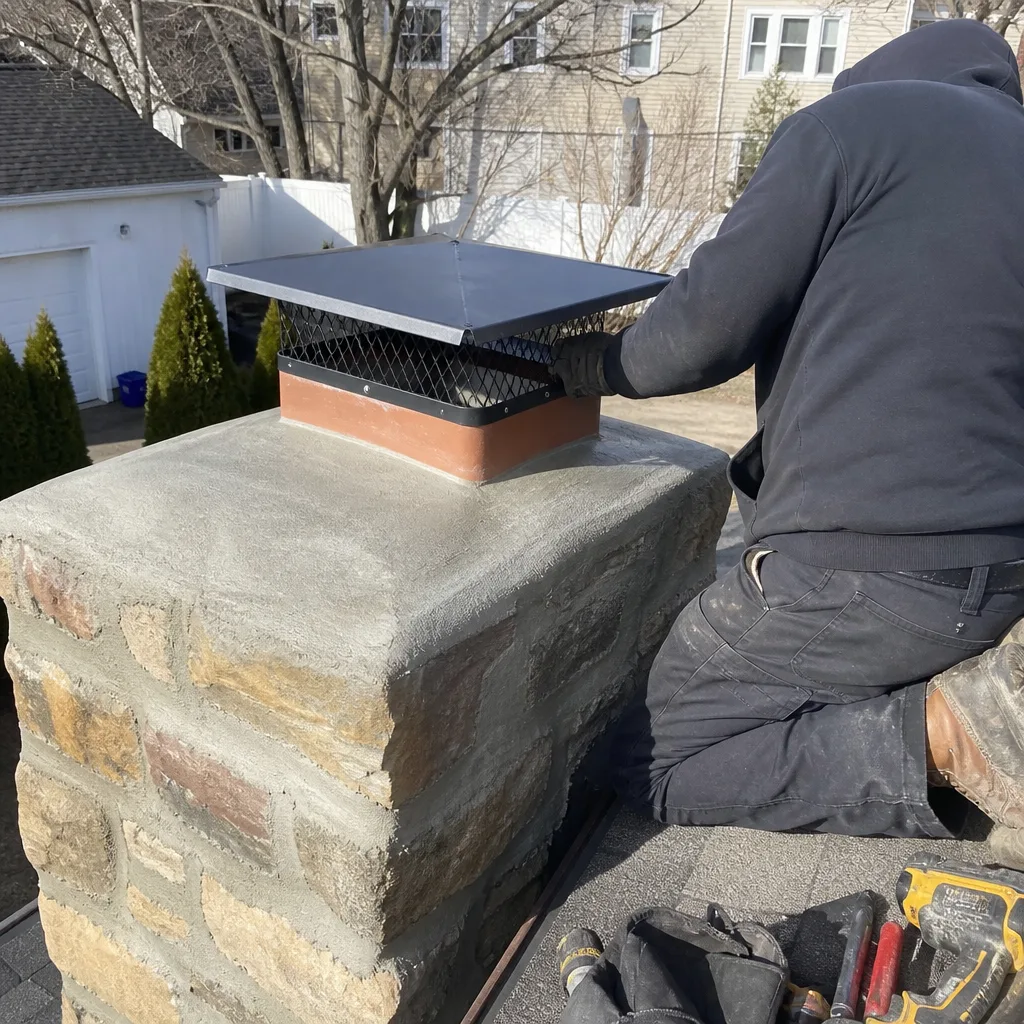 After
After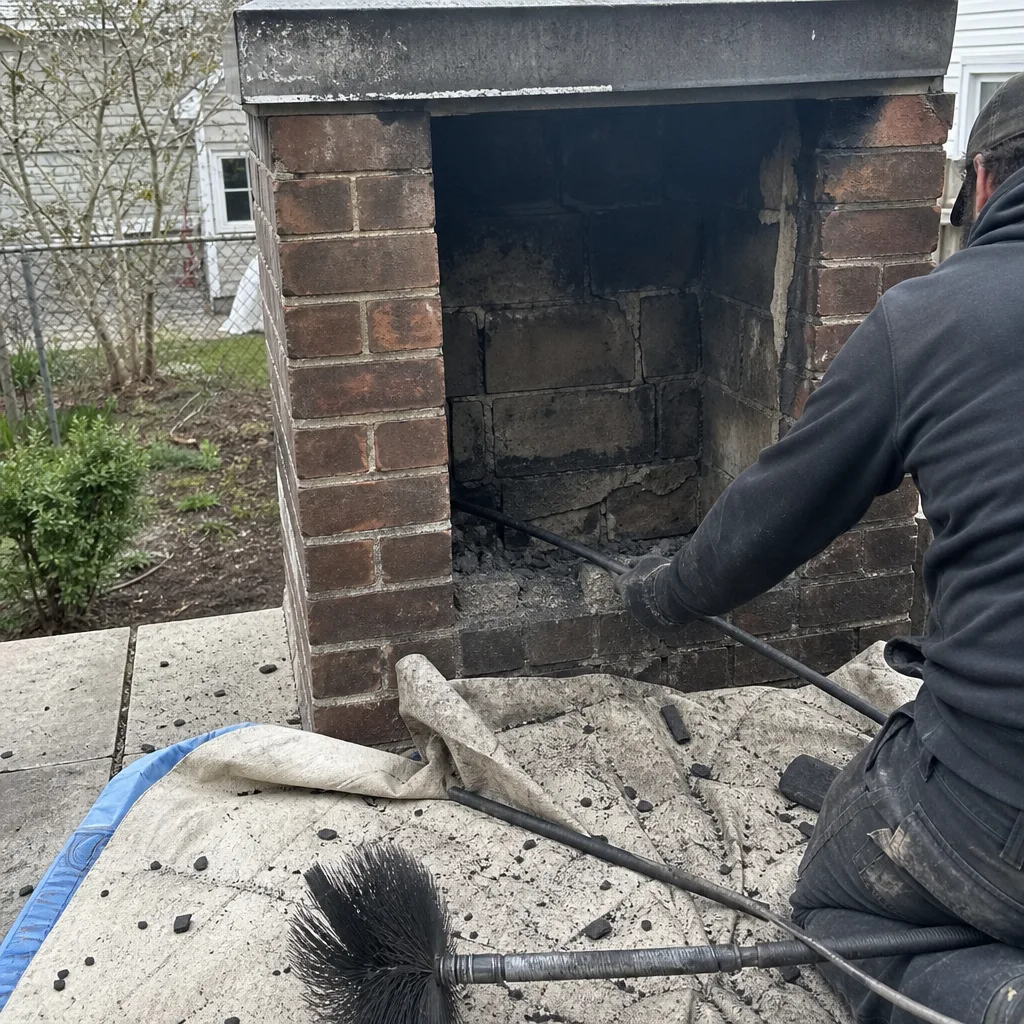 Before
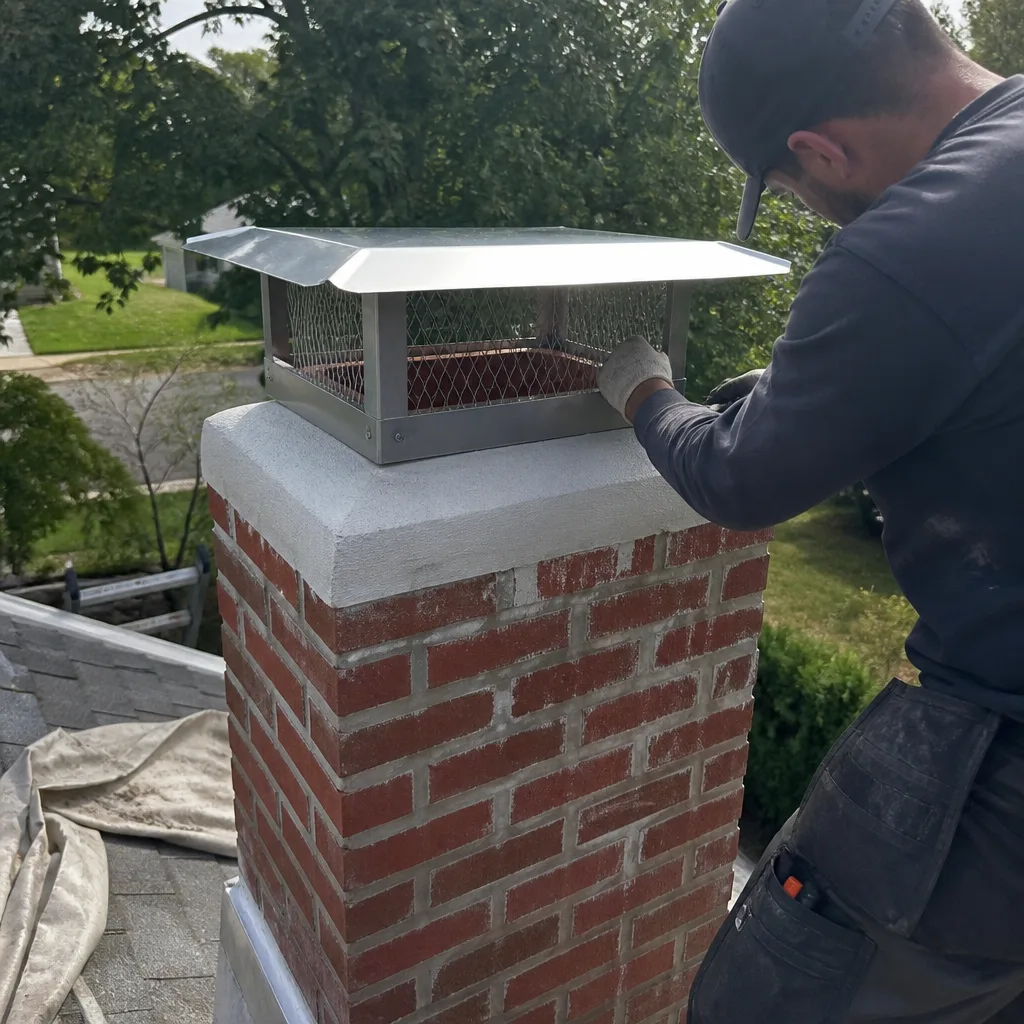 After
AfterChimney Cleaning & Sweep Maintenance Checklist for Rockville Centre Homeowners
Most chimney maintenance checklists hand you a list of boxes with no explanation of what a failed box actually means for your safety or your wallet. A sweep who can’t explain why each item matters probably can’t find the problem when one exists. In Rockville Centre, where salt air off the Atlantic accelerates metal corrosion and our freeze-thaw cycles punish masonry from November through March, that gap in understanding costs homeowners real money. This guide pairs every checklist item with what failure looks like, what it costs, and whether it needs action now, next season, or never. For The Complete Guide to Chimney Cleaning in Rockville Centre, see our detailed walkthrough. You’ll finish knowing how to hold any sweep accountable to a standard, not just a signature.
Quick Answer
A complete chimney cleaning and sweep maintenance checklist for Rockville Centre homeowners covers four areas: a pre-sweep interior walkthrough you do yourself, exterior inspection points unique to South Shore salt-air conditions, the three camera findings that must be shown after cleaning, and a seasonal log that tracks creosote buildup and deferred repairs for insurance and resale. Annual Level-2 inspection with camera documentation is the baseline for any home with active fireplace or heating appliance use.
Table of Contents
- The Pre-Sweep Walkthrough: What Homeowners Should Check First
- Exterior Inspection: South Shore Conditions That Shorten Chimney Life
- During the Sweep: What Proper Cleaning Actually Involves
- Post-Clean Camera Inspection: The Three Things to Demand to See
- Building Your Seasonal Maintenance Log
- Reading the Findings: Now, Next Season, or Normal Wear
- What Chimney Maintenance Costs in Rockville Centre
The Pre-Sweep Walkthrough: What Homeowners Should Check First
Before any sweep arrives, you already own valuable information about your chimney’s condition. A technician who starts cold misses context. One who starts with your observations works faster and finds more. Here’s what to check, what you’re looking for, and what it means.
Fireplace and Firebox
Open the damper fully. It should move smoothly without grinding or catching. Note whether it seals tight when closed, a drafty damper wastes heated air all winter. Look at the firebrick lining for spalling, that’s flaking or chipping of the brick surface. In Rockville Centre, we see accelerated spalling in homes south of Sunrise Highway where older construction used softer firebrick rated for less thermal cycling. Spalling deeper than one-quarter inch exposes the masonry behind it to direct flame contact and requires repair before next burning season.
Check the smoke shelf, the flat area behind the damper, for black, flaky buildup or any odor of old creosote. A sour, smoky smell when the damper is closed often means the smoke shelf is saturated. This is not cosmetic. Saturated creosote off-gasses acidic compounds that corrode metal components and can ignite at lower temperatures than dry creosote.
Hearth and Surround
Measure the hearth extension. It should project at least 16 inches in front of the fireplace opening and at least 8 inches to each side for fireplaces opening less than 6 square feet, larger openings require more. In pre-1960 Rockville Centre homes, especially in the Estates section and near Hempstead Avenue, we’ve found hearths built to earlier codes that no longer meet clearance requirements. This matters for insurance claims after any incident.
Look for cracks in the hearth surface that extend through to the subfloor. Hairline surface cracks in tile or stone are usually thermal expansion. Cracks that shift when you press them suggest movement in the structure beneath.
Basement and Attic
If your chimney runs through either space, look for white efflorescence on the exterior brick, that’s mineral salts left by moisture migration. In Rockville Centre’s clay-heavy soil, foundation settling can crack chimney bases where they meet the house. A crack wider than one-eighth inch that steps through mortar joints rather than following them horizontally suggests structural movement, not just thermal cracking.
Document anything you find with dated photos on your phone. Show these to your sweep before they start. In our experience at Hearthstone Chimney Co. home, homeowners who do this pre-check catch problems that would otherwise be missed until they became expensive.
Exterior Inspection: South Shore Conditions That Shorten Chimney Life
Rockville Centre sits eight miles from the Atlantic. That proximity shapes every exterior chimney component. Salt air corrodes metal faster than inland climates. Nor’easters drive rain sideways into joints that would stay dry elsewhere. Our freeze-thaw cycles, often 50 to 60 per winter, force water into masonry pores where it expands and contracts until the surface spalls away.
The Crown
The crown is the concrete or mortar cap that seals the chimney top above the flue tiles. It should slope away from the flue opening and overhang the brick by at least two inches. Check for cracks, especially radial cracks running from the flue opening to the edge. A cracked crown funnels water directly into the chimney structure.
Crown coat, a flexible elastomeric sealant, can extend crown life if applied before cracks widen. We apply crown coat from professional-grade suppliers like Copperfield and Gelco after cleaning any crown that shows early cracking but retains structural integrity. A crown with cracks wider than one-quarter inch or with pieces missing needs rebuild, not coating. In Rockville Centre, we find crowns need attention every seven to ten years, sooner on chimneys exposed to prevailing winds without tree cover.
Flashing at Low-Slope Rooflines
Many Rockville Centre homes, particularly the expanded capes and ranches built in the 1950s and 1960s, have low-slope roof sections where chimney flashing sees standing water after heavy rain. Standard step flashing fails early in these conditions. Look for lifted corners, rust streaks on the roof below the chimney, or any gap you can slide a putty knife into. Water intrusion at flashing often travels along the rafters before showing inside, so exterior signs precede interior damage by months or years.
Cap and Screen
The chimney cap keeps rain, animals, and debris out of the flue. Its screen prevents sparks from exiting. In Rockville Centre’s salt air, galvanized screens corrode through in three to five years. Stainless steel or copper screens last longer but still need inspection. A screen with holes larger than three-quarters inch admits squirrels and raccoons, common in our area. A screen clogged with creosote or debris restricts draft and can force carbon monoxide back into the house.
We install caps from DuraFlex and Gelco with stainless mesh specified for coastal environments. The extra cost over big-box caps pays for itself in longevity.
Brick and Mortar Joints
Repointing needs arise when mortar joints recede more than one-half inch from the brick face or when you can scrape loose mortar with a key. Tuckpointing, the cosmetic practice of scoring a thin line into repointed joints to mimic fine historic work, is not structural repair. If your Rockville Centre home is in a historic district or was built before 1940, match original mortar composition, lime-based for pre-1900, Portland-lime mix for early 20th century. Hard Portland mortar on soft historic brick accelerates brick spalling.
During the Sweep: What Proper Cleaning Actually Involves
A proper sweep in Rockville Centre follows a sequence that protects your home and documents condition. Any sweep who skips steps or won’t explain them is cutting corners you will pay for later.
- Containment setup. The work area is sealed with drop cloths and a vacuum-connected containment system. Soot is fine enough to penetrate draperies and HVAC returns. We run HEPA filtration during every job.
- Flue brushing. Polypropylene brushes sized to the flue diameter remove Stage 1 and Stage 2 creosote. Stage 1 is flaky, sooty, and brushes off easily. Stage 2 is shiny, hardened, and requires more aggressive mechanical removal. Stage 3, glazed creosote, is tar-like and may need chemical treatment before removal. In Rockville Centre, we see more Stage 2 and 3 buildup in homes that burn unseasoned wood or run fireplaces as primary heat sources.
- Smoke chamber and smoke shelf cleaning. The smoke chamber, the area above the damper that funnels smoke into the flue, is hand-scraped to remove buildup. The smoke shelf is vacuumed and scraped. These areas are inaccessible to standard brushes and are where most chimney fires begin.
- Firebox debris removal. Ash and fallen material are removed. The firebrick is inspected for new damage since your pre-sweep check.
- Component function test. Damper operation, cleanout door seal, and any gas log or ignition system are tested for proper function.
The entire process for a standard fireplace flue takes 45 minutes to 90 minutes. Rushing suggests incomplete smoke chamber work or skipped inspection steps. Our technicians at Chimney Cleaning & Sweep in Rockville Centre document start and end times for every job.
Post-Clean Camera Inspection: The Three Things to Demand to See
After cleaning, any sweep worth hiring should show you the interior condition of your flue. A mirror held to the firebox looking upward is not sufficient. A video camera pushed through the entire flue length is the minimum standard, and in Rockville Centre, where many chimneys serve multiple appliances or have offset flues, it’s essential.
Demand to see these three specific findings, and understand what each means.
1. Flue Tile Condition
Clay flue tiles should show clean, continuous surfaces without cracks, spalling, or gaps at the joints. A hairline crack in a single tile may be thermal stress and can be monitored. A crack that runs through multiple tiles or that opens when the chimney warms suggests structural movement or liner failure. Vertical cracks are more serious than horizontal, they indicate expansion stress that can widen with heat cycling.
Missing mortar between tile joints allows flue gases to penetrate the chimney structure. This is the pathway for carbon monoxide into living spaces and for creosote to accumulate in hidden voids where it can ignite undetected.
2. Liner Integrity (Stainless or Cast-in-Place)
If your chimney has a stainless steel liner, look for dents, corrosion pitting, or separation at joints. DuraFlex and other quality liners carry lifetime warranties when properly installed, but improper sizing or unsupported vertical runs can cause sagging that traps creosote. Cast-in-place liners, such as those installed with HeatShield cerfractory foam, should show uniform thickness without voids or delamination.
In Rockville Centre, we find more liner corrosion in homes within a mile of the water, where salt air penetrates even through capped flues during off-seasons.
3. Obstructions and Nesting Material
The camera should show a clear flue from firebox to crown. Any obstruction, bird nest, or fallen brick fragment should be removed and documented. After removal, the camera should re-run the full length to confirm clearance.
Your sweep should provide dated photos or video of all three findings, with annotations explaining what is normal and what requires action. At Hearthstone, we email these within 24 hours of service with a plain-English verdict on each finding. Photos you can see, a plain-English verdict. No report should leave you guessing whether your chimney is safe.
Building Your Seasonal Maintenance Log
A maintenance log serves two purposes: it tracks your chimney’s health over time, and it documents due diligence for insurance or resale. In Rockville Centre’s competitive real estate market, a documented maintenance history distinguishes a well-maintained home from one with deferred problems.
Here’s what to record after each service:
- Date of service and technician name/company.
- Creosote stage at time of cleaning (1, 2, or 3) and estimated thickness at heaviest deposit.
- Fuel type and estimated burn hours since last cleaning. This helps predict next service interval.
- Camera findings summary: flue tile condition, liner status, any obstructions removed.
- Deferred repairs: items noted but not addressed, with recommended timeline.
- Exterior condition: crown, flashing, cap, brick/mortar notes.
- Weather conditions during service period: relevant for correlating moisture findings.
Keep this log with your home maintenance records. If you ever need to file an insurance claim related to chimney or fireplace damage, documented annual maintenance supports your position that damage was sudden and unforeseen, not the result of neglect.
For homeowners in Rockville Centre’s older neighborhoods, Meridian Street south to the village line, or the areas near Mill River, this documentation is particularly valuable. These homes often have chimneys built to earlier codes that require more frequent attention to remain insurable.
Reading the Findings: Now, Next Season, or Normal Wear
The hardest part of any chimney inspection is knowing which findings demand immediate action, which can wait for budget or season, and which are simply the normal aging of a structure exposed to fire and weather. A sweep who labels everything urgent is either unskilled or dishonest. Here’s how we categorize findings at Chimney Repair in Rockville Centre.
Address Before Next Fire
- Any flue liner crack or gap that exposes chimney structure to flue gases
- Obstruction or nesting material in flue
- Damper that will not fully open or close
- Creosote buildup exceeding one-eighth inch or any Stage 3 glazing
- Carbon monoxide detector activation related to fireplace or heating appliance
- Spalling firebrick with exposed masonry behind it
Schedule for Next Season or Within 12 Months
- Crown cracks under one-quarter inch without water intrusion evidence
- Minor mortar joint erosion not yet allowing water penetration
- Smoke shelf saturation without active odor
- Cap screen corrosion with holes smaller than one inch
- Firebox hairline cracks not extending through brick
Normal Wear, Monitor Only
- Superficial soot staining on firebrick that cleans with standard brushing
- Minor efflorescence on exterior brick without associated mortar deterioration
- Thermal expansion cracks in crown under one-sixteenth inch, stable for multiple seasons
- Uniform weathering of brick faces without spalling or structural cracking
The key distinction: does the finding create a pathway for fire, carbon monoxide, or water to go where it should not? If yes, it needs action. If no, it needs monitoring. Everything else is sales pressure.
What Chimney Maintenance Costs in Rockville Centre
Pricing in our market reflects labor costs on Long Island, travel and parking constraints in Rockville Centre’s residential streets, and the specialized equipment required for proper inspection and documentation. Here’s what Rockville Centre homeowners should expect to pay for standard services.
| Service | Typical Range in Rockville Centre | What Affects Price |
|---|---|---|
| Level 1 sweep and basic inspection | $175 - $275 | Number of flues, accessibility, creosote stage |
| Level 2 inspection with camera documentation | $275 - $425 | Flue length, number of appliances served, roof access difficulty |
| Crown coat application | $350 - $650 | Crown size, condition, number of flue penetrations |
| Stainless steel liner installation (standard fireplace) | $2,800 - $4,500 | Flue length, diameter, number of bends, appliance type |
| HeatShield cerfractory liner restoration | $2,200 - $3,800 | Flue length, extent of damage, number of applications needed |
| Firebox refractory panel replacement | $450 - $950 | Panel size, brand availability, surrounding brick condition |
| Chimney cap with stainless screen | $275 - $550 | Flue count, cap material (galvanized, stainless, copper), custom sizing |
| Repointing (per square foot) | $25 - $45 | Scaffolding needs, mortar matching requirements, height access |
These ranges reflect 2024-2025 pricing in the Rockville Centre market. Prices below these ranges often indicate skipped inspection steps, uninsured labor, or substandard materials. Prices far above without clear justification warrant a second opinion.
At Hearthstone, we provide no-hassle upfront pricing. The number on the estimate is the number on the invoice. No surprises on the bill. We also offer a permanent 5% Senior and Veteran discount, and our $89 Seasonal Tune-Up packages basic maintenance for budget-conscious homeowners.
Common Mistakes to Avoid
- Hiring based on coupon price alone. The $99 sweep special often skips the smoke chamber, omits camera inspection, and finds $2,000 of “urgent” repairs once inside. A proper sweep cannot be done well at a loss-leader price.
- Assuming a clean flue means a safe chimney. Creosote removal is only part of the job. Structural integrity, liner condition, and proper clearances matter equally. We’ve inspected chimneys in Rockville Centre that were “swept” annually for years with never a camera run, missing progressive liner damage until failure.
- Burning unseasoned or softwood. Oak and maple seasoned 18 months minimum burn cleaner than pine or construction scrap. Wet wood creates Stage 3 creosote in a single season. In our humid Rockville Centre summers, even covered wood often needs longer seasoning than inland areas.
- Ignoring the smoke chamber. This is the most overlooked area in amateur and cut-rate sweeps. It’s also where temperatures peak during a chimney fire. Demand it be hand-scraped and inspected, not just brushed from below.
- Deferring crown maintenance until leaks appear. By the time water shows inside, crown damage has allowed freeze-thaw deterioration of the brick below. A $400 crown coat prevents a $3,000 rebuild.
- Using the wrong firewood for your appliance. Manufactured fire logs are designed for open fireplaces, not inserts or wood stoves. Their higher burn temperatures can overstress liners and components not rated for them.
- Failing to document findings. Without photos and a written report, you have no recourse if problems develop later. Verbal assurances from a sweep who “sees this all the time” are not evidence.
When to Call a Professional
Call a certified chimney professional when you notice any of the following: smoke entering the room during normal operation, a persistent smoky odor when the damper is closed, visible cracks in the firebox or exterior brick, white staining on exterior masonry, a damper that sticks or won’t seal, or any carbon monoxide detector activation near the fireplace. See Chimney Cleaning Warning Signs: A Rockville Centre Homeowner’s Reference Guide for the full list. These symptoms indicate conditions beyond routine maintenance.
Also call before buying a home with a fireplace you intend to use. A Level-2 inspection with camera documentation is standard due diligence and often reveals conditions the seller’s disclosure missed.
Hearthstone Chimney Co. offers free estimates in Rockville Centre. Browse more guides & resources on our blog. Our phones are answered by a live person 24 hours a day, 7 days a week. Call (631) 498-8835 to schedule. We’ll be there when we say. Done right, and we stand behind it.
Frequently Asked Questions
A proper chimney sweep with Level-1 inspection in Rockville Centre typically runs $175 to $275 for a standard fireplace flue. A Level-2 inspection with camera documentation, which we recommend annually for active fireplaces, ranges from $275 to $425 depending on flue length and access. Call (631) 498-8835 for an exact quote - estimates are free.
The National Fire Protection Association recommends annual inspection for all chimneys, with cleaning as needed based on creosote accumulation. In Rockville Centre, where many homeowners burn regularly through the heating season, we find annual cleaning is practical for most active fireplaces. Homes burning more than three cords of wood per year may need mid-season inspection. Gas appliance flues need annual inspection but typically require less frequent mechanical cleaning.
You need a new liner when the existing one is cracked, corroded, or improperly sized for the appliance it serves. A sweep who recommends replacement should show you camera evidence of the specific damage and explain the safety hazard. At Hearthstone, nothing is recommended without photos you can see and a plain-English verdict. Some liners can be repaired with HeatShield cerfractory foam; others require full replacement with stainless steel. The right solution depends on the damage type and location.
Skipped maintenance leads to three predictable outcomes: creosote accumulation increases chimney fire risk, moisture intrusion degrades masonry and metal components, and hidden damage progresses until repair costs multiply. In Rockville Centre’s salt-air environment, corrosion accelerates once protective coatings fail. Insurance may deny claims for damage attributed to documented neglect. The cost of annual maintenance is a fraction of emergency repair or reconstruction.
A sweep is the mechanical cleaning of flue, smoke chamber, and firebox. An inspection is the evaluation of structural condition, clearances, and component function. They are related but distinct. A sweep without inspection finds no problems. An inspection without cleaning may miss conditions hidden by creosote. We perform both together as standard practice.
Homeowners can perform basic firebox cleaning and ash removal. Flue sweeping requires proper brushes, rods, and containment equipment that most homeowners do not own. More importantly, without camera inspection after cleaning, you cannot verify that the flue is actually clear or identify hidden damage. For the safety systems involved, professional service is the sound choice. The 90-Day Done Right Promise at Hearthstone means if it’s not right, we make it right, in writing, no arguing.
The Bottom Line
A useful chimney maintenance checklist does more than list items to check. It tells you what each finding means, what it costs, and whether it needs action now or later. For Rockville Centre homeowners, that knowledge is protection against both unsafe operation and unnecessary repair bills. Do your pre-sweep walkthrough. Understand your exterior’s salt-air vulnerabilities. Demand camera documentation after cleaning. Keep a seasonal log. And learn to read findings with appropriate urgency, not uniform alarm. The chimney over your head has served your home for decades. With proper attention, it will serve for decades more. Done right, and we stand behind it.
Written by Russell Haines, Owner at Hearthstone Chimney Co., serving Rockville Centre since 2014.