
Last updated September 10, 2026
Level 1 sweep and inspection to the NFPA 211 annual standard - flue, crown, cap, and flashing checked and photographed
Chimney sweep logs do not sweep chimneys. They loosen some creosote - which then falls where a brush and vacuum still have to collect it.
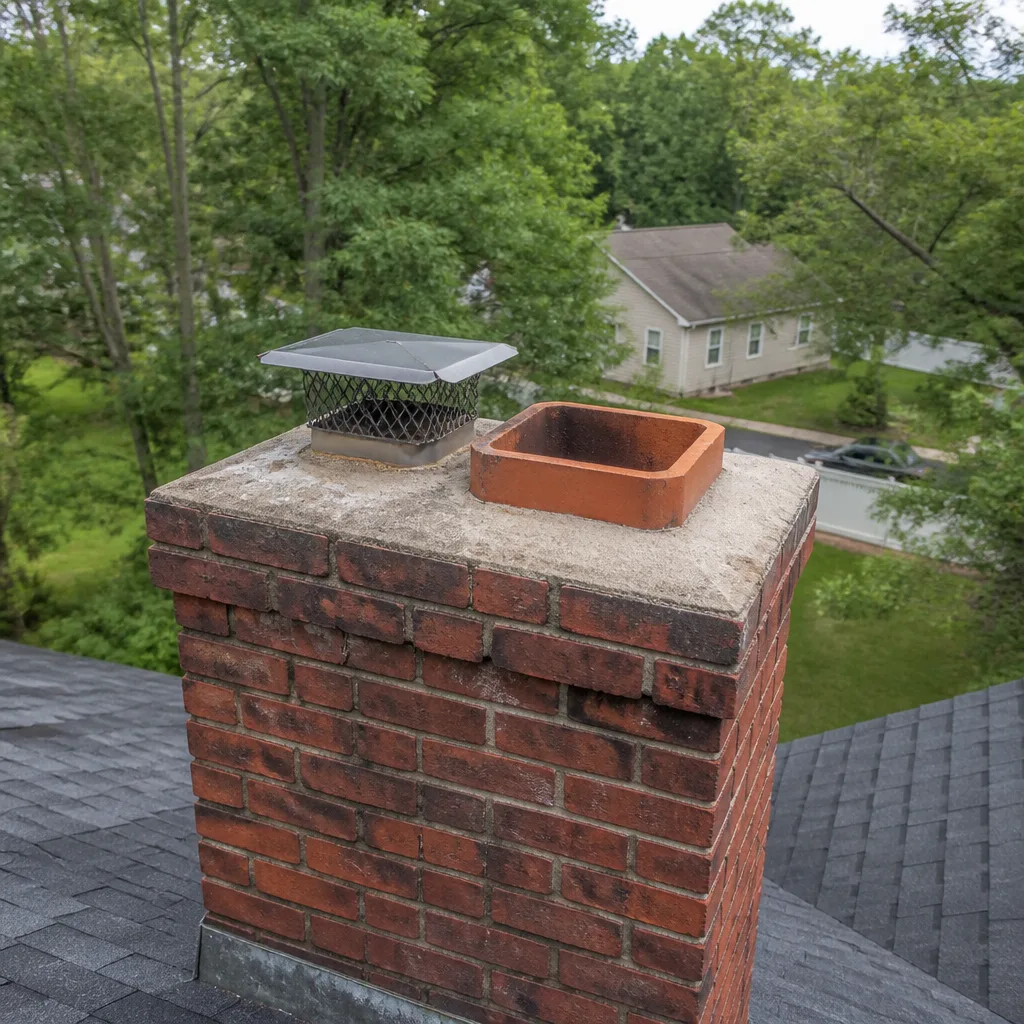
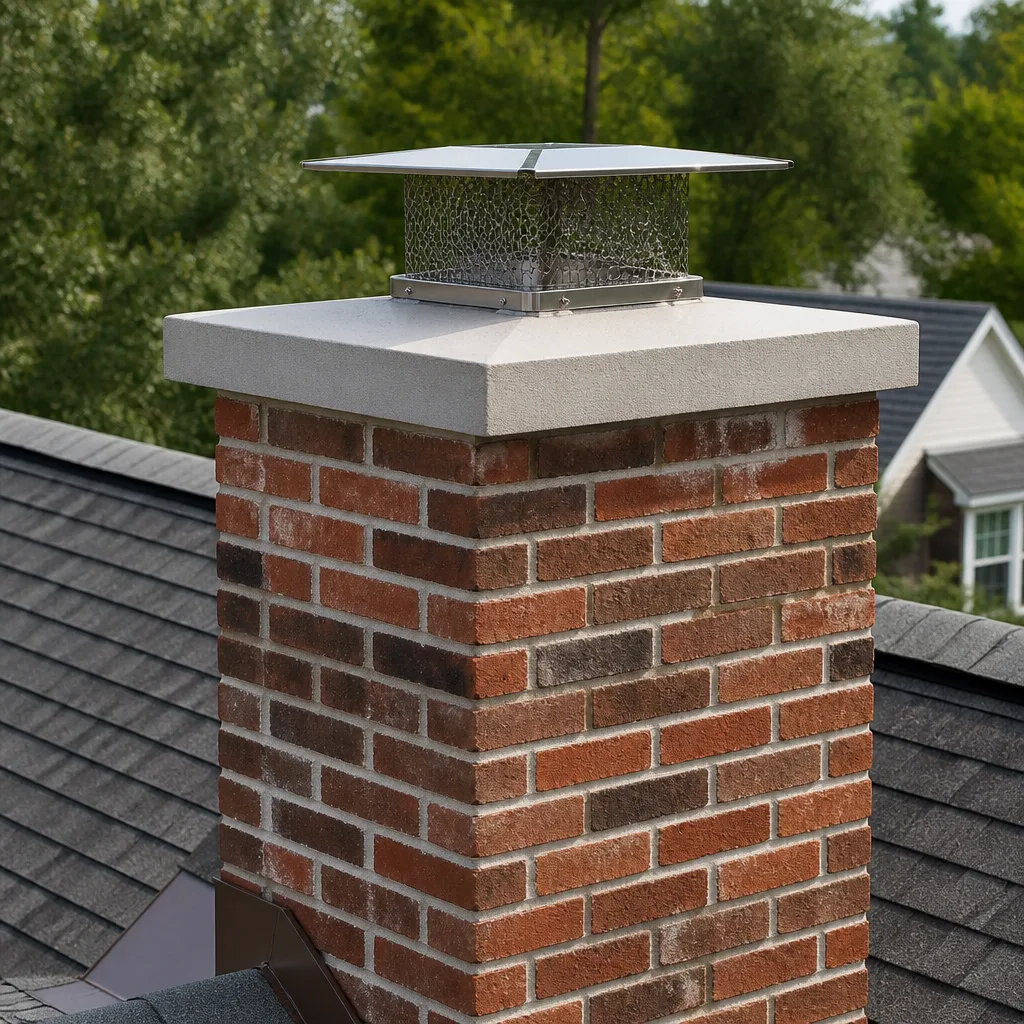
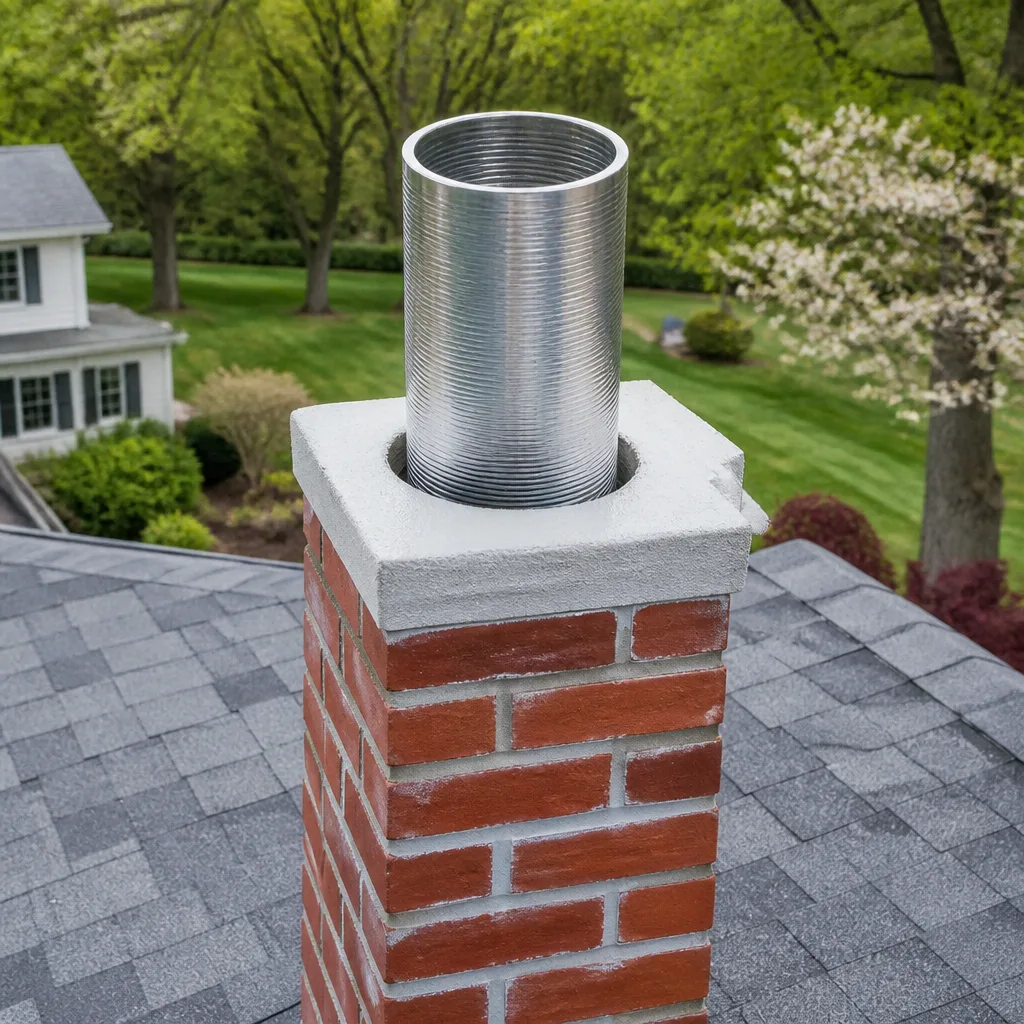
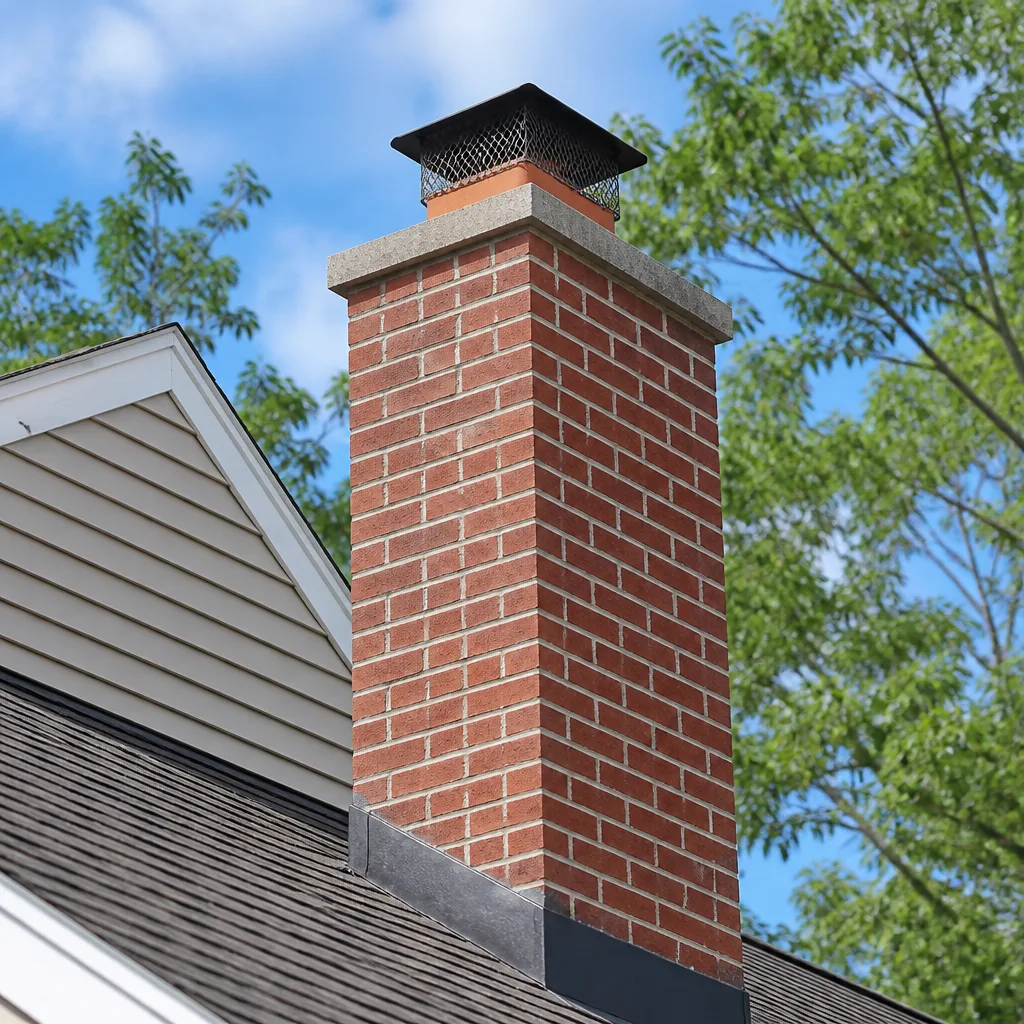
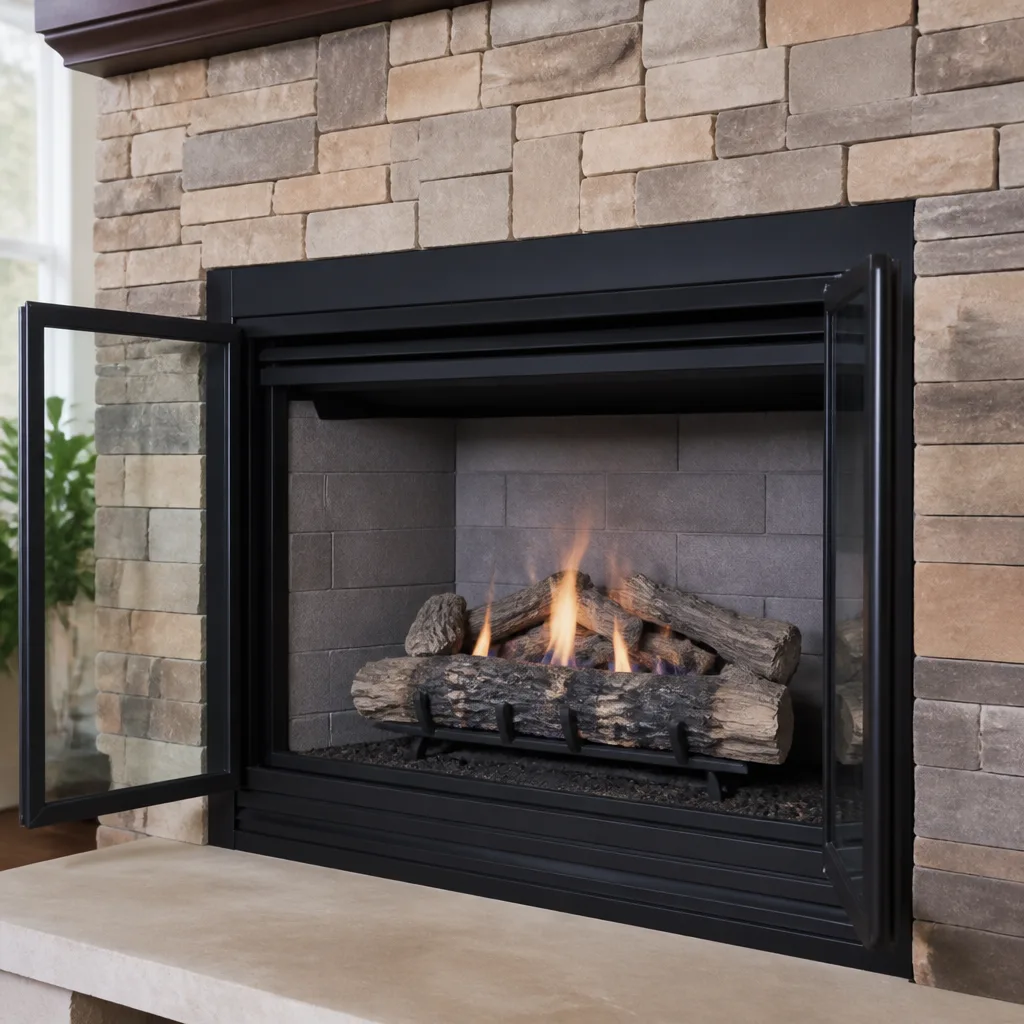
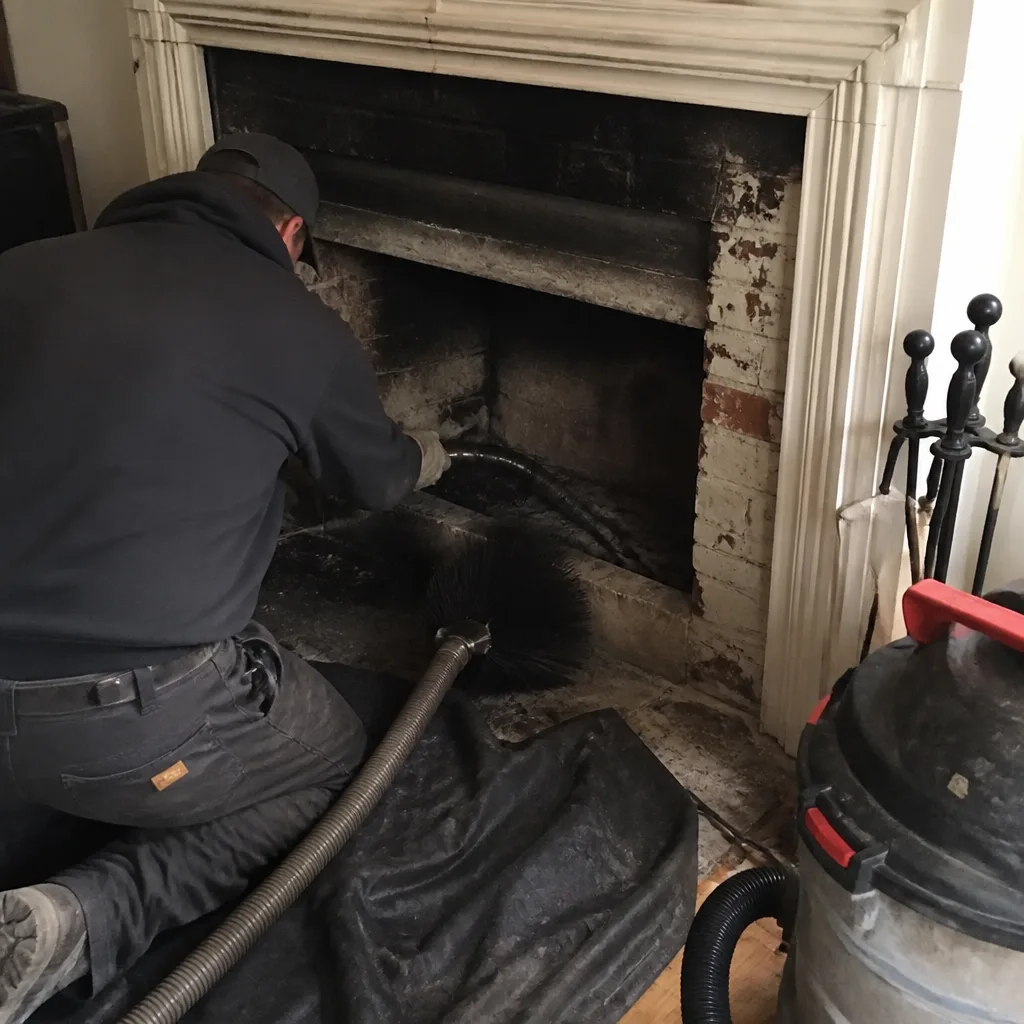 Before
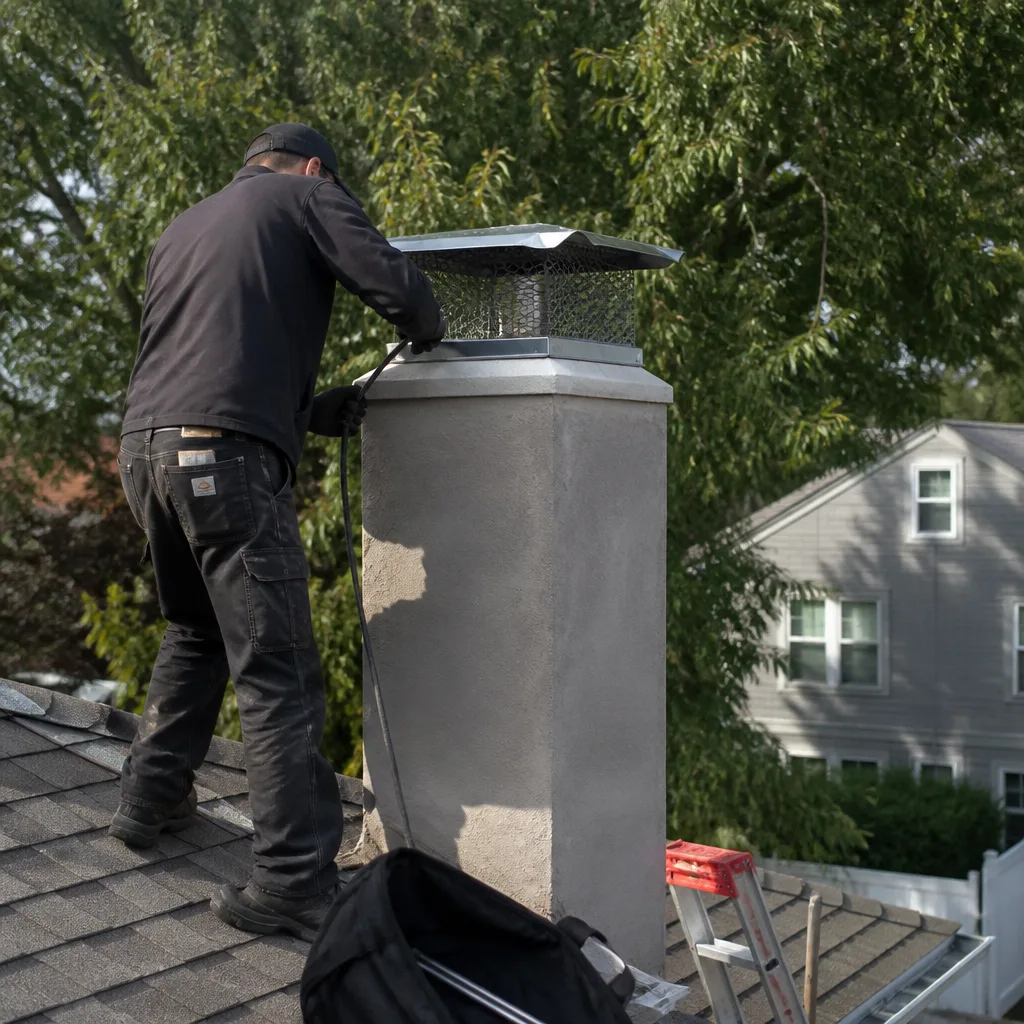 After
After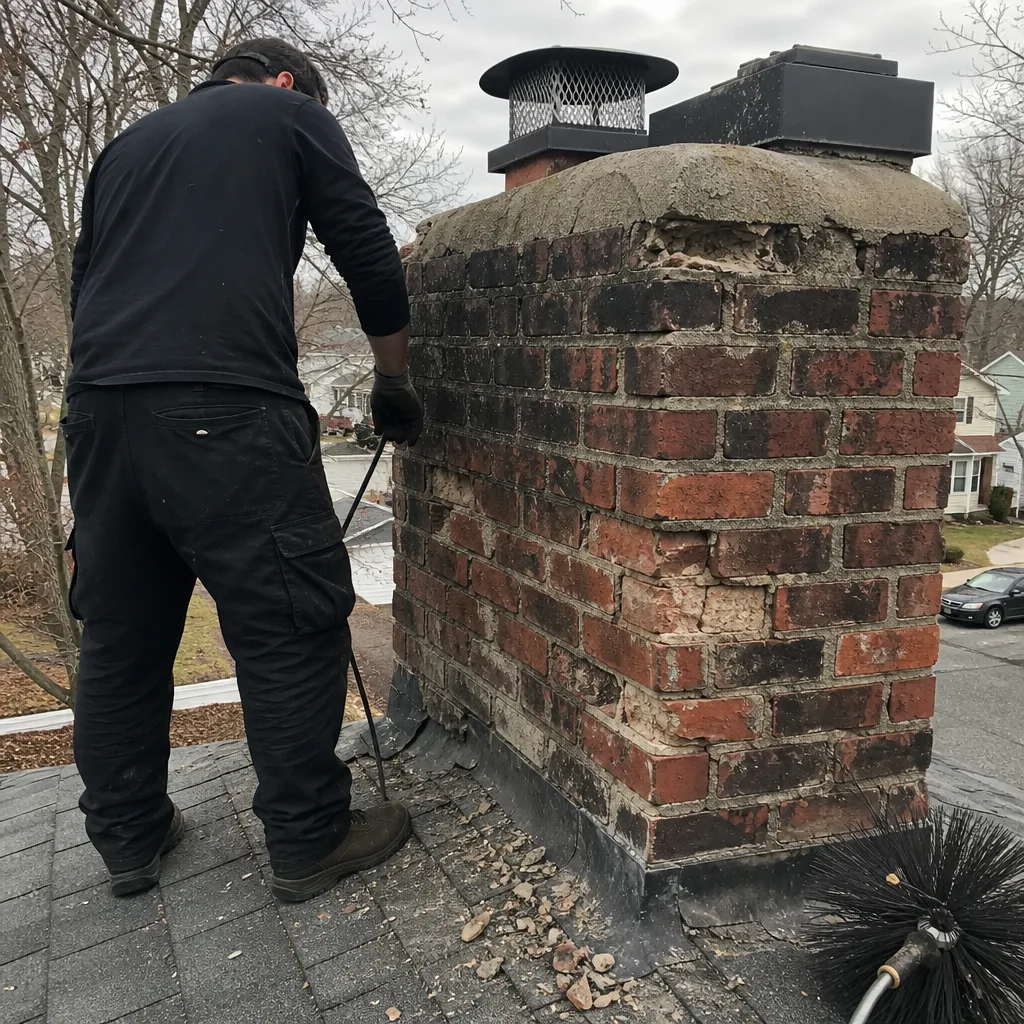 Before
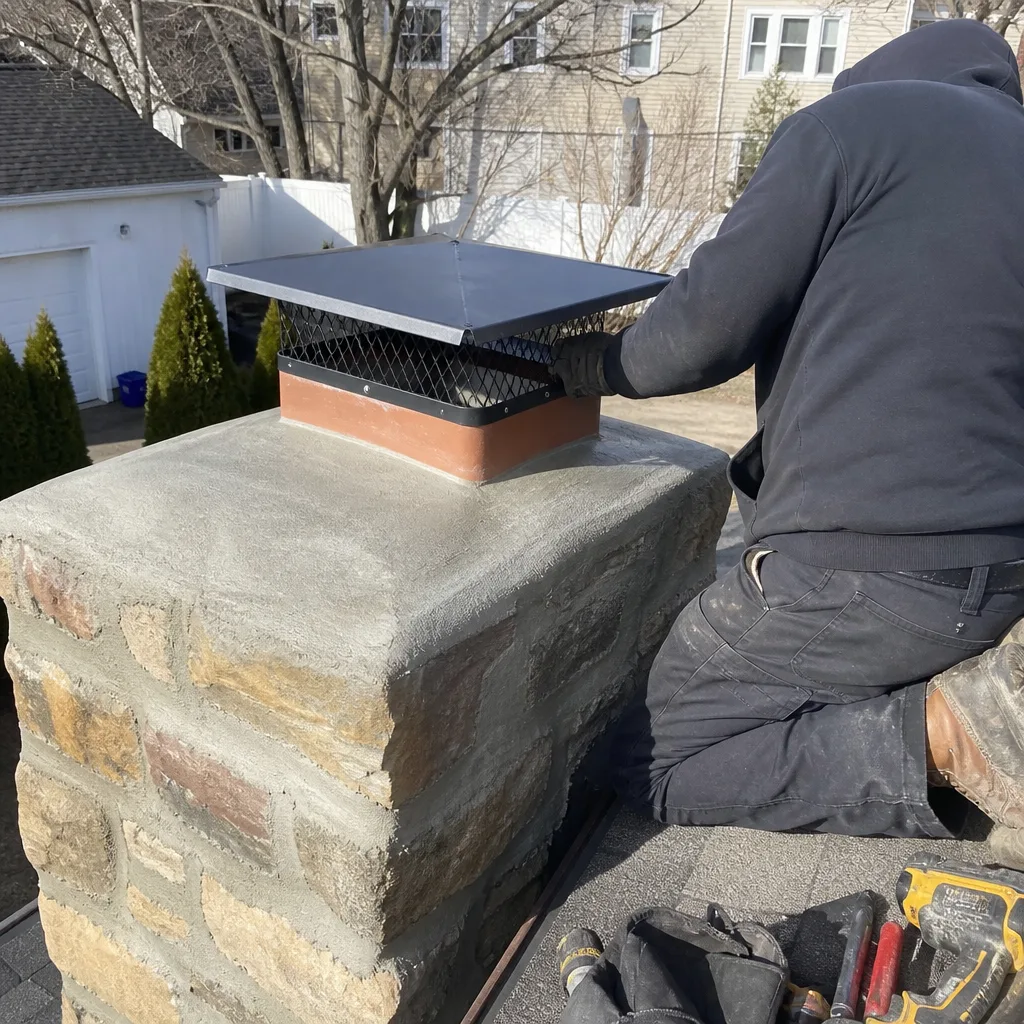 After
After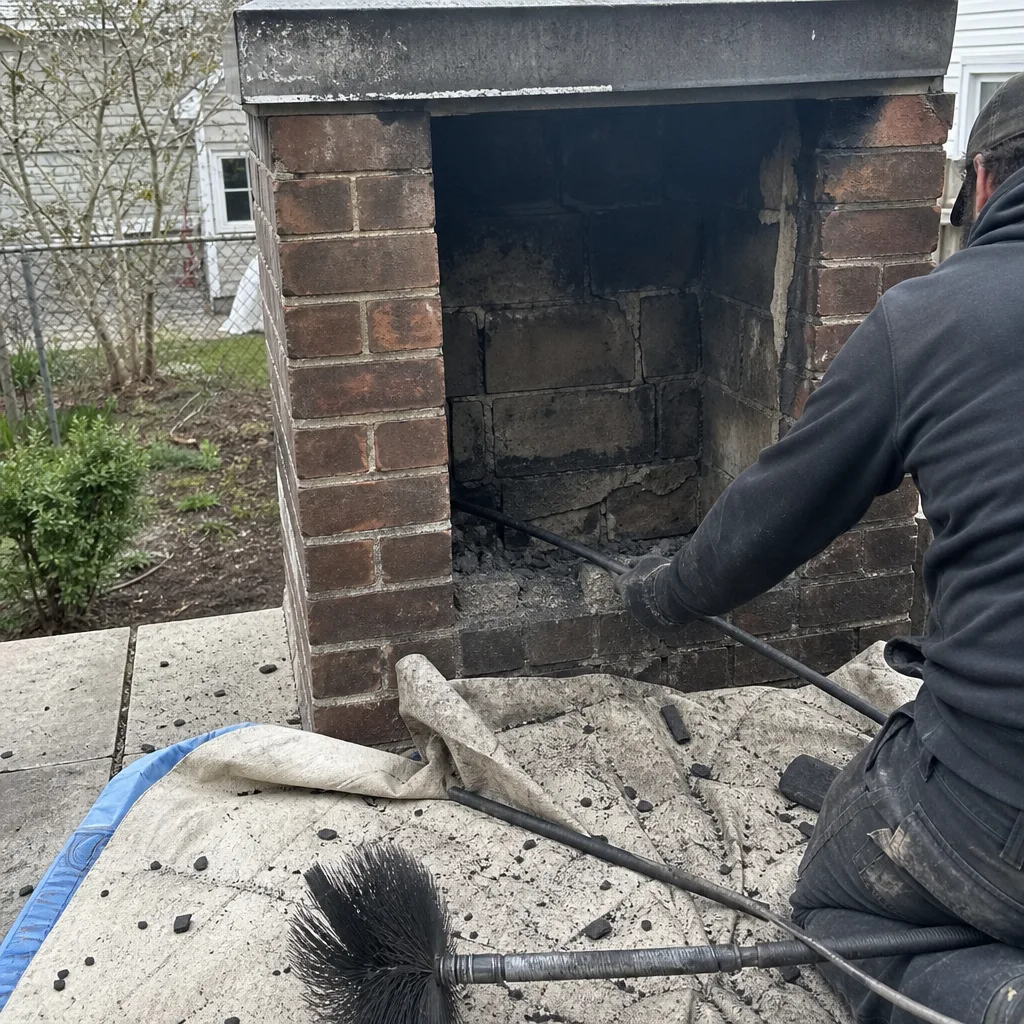 Before
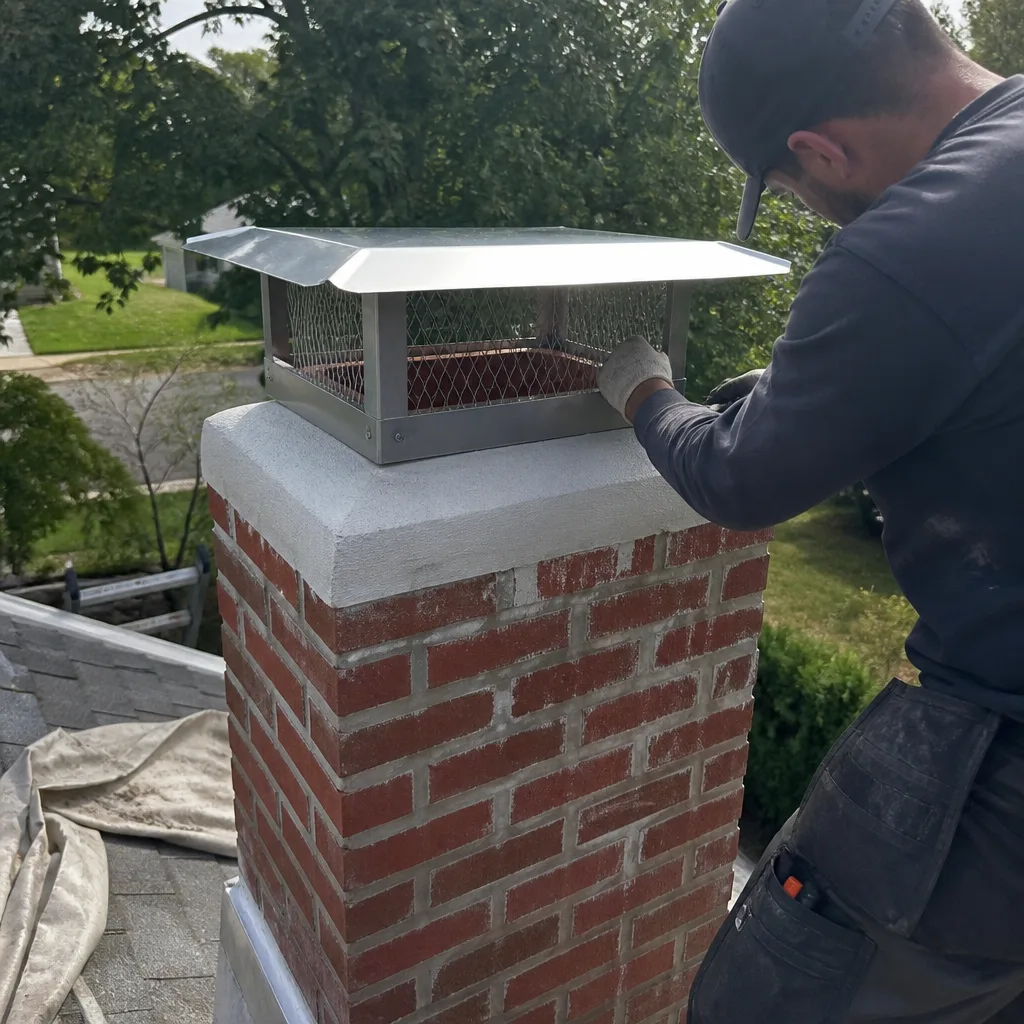 After
AfterThe Complete Guide to Chimney Cleaning in Rockville Centre
The Chimney Safety Institute of America estimates that 25% of all residential structure fires in the United States involve heating equipment, and the majority are preventable with a cleaning that takes under two hours. The problem in Rockville Centre isn’t finding someone to do the work; it’s knowing whether the sweep you hired actually finished it. We’ve been called to homes on Maple Avenue and after chain-service visits on Long Beach Road where the homeowner was told “everything looks fine” - only for our camera to reveal a half-inch layer of Stage 2 creosote still clinging to the flue. This guide explains what a proper chimney cleaning actually involves, what it should cost in this market, and how to read a photo-documented inspection report so you can judge any sweep’s work yourself - and for more guides & resources, visit our blog.
Quick Answer
A professional chimney cleaning in Rockville Centre, NY typically costs between $189 and $349 for a standard sweep with Level 1 inspection, and between $349 and $599 when a Level 2 camera inspection is needed for real estate transactions or suspected damage. The process takes 60 to 90 minutes for a routine cleaning, and every wood-burning system should be swept annually - more frequently if you burn more than three cords per season or use unseasoned wood.
Table of Contents
- What Happens During a Proper Chimney Cleaning
- Level 1, Level 2, and Level 3 Inspections: Which One Do You Need
- Creosote Stages and Why They Matter for Rockville Centre Homes
- How Long Island’s Coastal Climate Accelerates Chimney Damage
- What a Legitimate Photo-Documented Inspection Report Contains
- When Cleaning Reveals a Repair Need: The Correct Order of Operations
- Chimney Cleaning Costs in Rockville Centre: What to Expect
- Choosing a Chimney Sweep in Rockville Centre: Red Flags and Green Lights
What Happens During a Proper Chimney Cleaning
A proper chimney cleaning is not a vacuum-and-go operation. It is a systematic removal of combustible deposits, structural debris, and obstructions from the entire flue system, followed by a documented assessment of what remains. In Rockville Centre, where many homes were built between 1920 and 1960, we’ve encountered flues lined with original terra cotta, unlined brick, and retrofitted stainless steel liners - each requiring a different approach.
Here is the sequence a thorough sweep follows:
- Pre-work inspection and protection. The technician lays drop cloths from the hearth to the nearest exterior door, inspects the accessible portions of the chimney exterior, and notes any obvious damage before work begins. We photograph the firebox and damper area before touching anything.
- Damper and firebox cleaning. The damper is removed or opened fully, and ash, soot, and debris are removed from the smoke shelf and firebox floor. This area alone can contain several pounds of combustible material that a rushed job leaves behind.
- Flue sweeping with appropriate tools. For standard deposits, a rotary sweep system with polypropylene or wire brushes matched to the flue diameter is used. For glazed creosote (Stage 2 or 3), chemical treatment or mechanical removal with specialized chains or whips is required before brushing is effective.
- Smoke chamber and smoke shelf access. These areas, above the damper and below the flue proper, collect the heaviest deposits and are often skipped by services working quickly. A proper cleaning requires hand tools and visual access, sometimes through a cleanout door.
- Debris removal and HEPA containment. All material is collected in sealed containers and removed from the home. We run HEPA filtration during the process to protect your indoor air quality.
- Post-cleaning inspection and documentation. The flue is examined with a light source, and for Level 2 inspections, a camera is run the full length. Photos are taken of critical areas, and a written condition report is prepared.
The entire process, done correctly, takes 60 to 90 minutes for a routine cleaning. A Level 2 inspection with full camera documentation adds 30 to 45 minutes. Any sweep who is in and out in twenty minutes has not completed this sequence.
At Hearthstone Chimney Co., our technicians are background-checked, uniformed, and trained to complete most jobs in a single visit. We use no-hassle upfront pricing - the number on the estimate is the number on the invoice - and we document every inspection with photos you can see and a plain-English verdict.
Level 1, Level 2, and Level 3 Inspections: Which One Do You Need
The National Fire Protection Association Standard 211 defines three levels of chimney inspection, and understanding the difference protects you from both inadequate service and unnecessary expense. Most Rockville Centre homeowners need a Level 1 inspection with their annual cleaning, but specific circumstances trigger the need for deeper evaluation.
Level 1 Inspection
This is the standard annual inspection for chimneys with no changes to the system, no known problems, and continued use of the same appliance. The technician examines readily accessible portions of the chimney exterior, interior, and connecting appliances. No specialized tools are required, and no damage to building materials occurs. For the typical homeowner on William Street or Linwood Road who burns seasoned hardwood and had a clean report last year, this is sufficient.
Level 2 Inspection
A Level 2 inspection is required when:
- The property is being sold or transferred
- Any portion of the chimney system has been changed (new liner, new appliance, new fuel type)
- There has been a chimney fire, earthquake, or other event that may have caused damage
- The homeowner suspects a problem not visible in a Level 1 inspection
The critical difference is the video scanning. A camera is inserted the full length of the flue, documenting every square inch of the liner surface. In Rockville Centre’s older housing stock, we regularly find cracked terra cotta flue tiles, mortar joint erosion, and spalling brick that a Level 1 inspection would miss entirely. The camera footage becomes part of your permanent record and can be critical for insurance claims or real estate negotiations.
Our chimney repair team often begins with Level 2 documentation to establish a baseline before recommending any work. Photos you can see, a plain-English verdict - that’s the standard.
Level 3 Inspection
This is the most invasive level, involving removal of building materials (walls, chimney surrounds, framing) to access concealed portions of the system. It is only performed when a Level 1 or 2 inspection indicates a serious hazard that cannot be evaluated otherwise. If a sweep recommends Level 3 work, you should understand exactly what hazard has been identified and what less invasive options have been ruled out.
For Rockville Centre homeowners, the practical guidance is simple: start with Level 1 for routine annual maintenance, upgrade to Level 2 for any transaction or suspected problem, and question any recommendation for Level 3 until you have seen the evidence that demands it.
Creosote Stages and Why They Matter for Rockville Centre Homes
Creosote is not a single substance. It forms in progressive stages, and the stage present in your flue determines both the cleaning method required and the urgency of service. This is where many chain operations cut corners, applying a standard brush sweep to deposits that require chemical or mechanical treatment first.
Stage 1: Sooty or Powdery Deposits
Light, fluffy, black or brown material that brushes away easily with standard tools. This is what you want to see, and what proper burning practices (seasoned wood, adequate air supply) produce. A standard rotary sweep removes it completely.
Stage 2: Crusty or Flaky Deposits
Hard, porous, tar-like flakes that adhere to the flue surface. Standard brushing will not remove this material effectively. It requires a rotary tool with chains or whips, often with a chemical creosote modifier applied first to break down the binder. In our experience across Rockville Centre and neighboring communities, Stage 2 deposits are common in homes where homeowners burn wood that hasn’t been split and seasoned for at least twelve months, or where the fireplace is regularly damped down overnight for “banked” fires.
Stage 3: Glazed or Hardened Deposits
A shiny, rock-hard, tar-like coating that is extremely combustible and extremely difficult to remove. This is the material responsible for most chimney fires. Removal requires professional-grade chemical treatment, sometimes applied over multiple visits, followed by mechanical abrasion. Attempting to remove Stage 3 creosote with standard brushes is ineffective and can damage the flue liner.
The critical point: a sweep who does not identify and report the creosote stage has not done the job. We document the stage in every report, with photos, so you know what was in your flue and whether the removal method matched the deposit. This matters for insurance purposes - a fire in a flue with documented Stage 3 creosote may affect coverage differently than one with routine Stage 1 accumulation.
Homes near the water in Rockville Centre, where prevailing winds can create stronger draft variations, sometimes see accelerated creosote buildup from incomplete combustion during windy conditions. It’s one reason we recommend annual inspection even for households that burn modest amounts of wood.
How Long Island’s Coastal Climate Accelerates Chimney Damage
Rockville Centre sits roughly four miles from the Atlantic Ocean, close enough for salt-laden air to penetrate the masonry of every chimney in the ZIP code. This geographic reality creates deterioration patterns that inland sweeps rarely encounter and that homeowners in Pennsylvania or upstate New York can afford to ignore for years longer.
Salt air accelerates three specific failure modes:
- Spalling brick and mortar joint erosion. Salt crystals form in the pores of brick and mortar as moisture evaporates, expanding with each cycle and flaking away the surface. We’ve replaced crown assemblies on Merrick Road homes where the brick face had degraded to a depth of three-quarters of an inch in under fifteen years - a timeline that might take thirty years in a drier climate.
- Stainless steel liner corrosion. Not all stainless steel is equal. Lower-grade 304 stainless, used in some budget liners, develops pitting corrosion in salt-air environments that 316Ti or AL29-4C alloys resist. We install DuraFlex and Olympia Chimney liners specifically rated for coastal exposure because we’ve seen premature failures of generic products.
- Crown and cap deterioration. The concrete crown at the top of your chimney is exposed to the harshest conditions: freeze-thaw cycling, UV degradation, and salt deposition. A cracked crown allows water into the chimney structure, where it accelerates all other damage modes. In Rockville Centre, we inspect crowns annually and recommend Gelco or Famco caps with proper overhang and drip edges to shed water away from the masonry.
Humidity compounds the problem. Long Island’s summer humidity keeps masonry damp longer after rain events, extending the window for salt crystallization and freeze-thaw damage. A chimney that dries in forty-eight hours inland may stay damp for a week in Rockville Centre’s summer air. This is not speculation; it is visible in the accelerated efflorescence (white mineral deposits) we see on local chimneys compared to those we service further north in Nassau County.
The practical consequence: annual cleaning is not merely routine maintenance here. It is the minimum frequency that allows early detection of climate-accelerated damage before repair costs escalate. A liner that might last twenty-five years inland may need attention in fifteen here. Catching that at year twelve, during a scheduled cleaning, is the difference between a targeted repair and a full rebuild.
What a Legitimate Photo-Documented Inspection Report Contains
The verbal “looks good” from a sweep who spent twenty minutes on your property is worthless for insurance, real estate, or your own peace of mind. A legitimate inspection report is a document you could hand to a home inspector, an insurance adjuster, or the buyer of your home with confidence. Here’s what it must include:
- Property and system identification. Address, date, technician name, appliance type, fuel type, flue dimensions, and liner material. This establishes the document’s specificity and traceability.
- Pre-cleaning condition photos. Images of the firebox, damper, smoke chamber, and flue interior before any work begins. These establish baseline conditions and protect both parties if damage is discovered.
- Creosote stage documentation. Written identification of deposit stage with representative photos. If Stage 2 or 3 is present, the report notes the removal method employed.
- Structural condition assessment. Documented evaluation of liner integrity, mortar joints, crown condition, cap fit, flashing integrity, and exterior masonry. Each element receives a condition rating: Sound, Monitor, Repair Recommended, or Urgent.
- Post-cleaning verification photos. Images demonstrating that deposits have been removed and the flue is clear to inspection. For Level 2 inspections, video footage with narration or timestamped stills at regular intervals.
- Plain-English verdict and recommendations. A summary paragraph that a non-technical homeowner can understand, with specific next steps prioritized by urgency. “Monitor” means recheck at next annual service. “Repair Recommended” means schedule within the burning season. “Urgent” means do not use the appliance until addressed.
- Technician signature and company contact. A document without a named technician and direct contact information is not a professional report.
At Hearthstone Chimney Co., every Level 2 inspection produces this documentation. We store copies for our clients and provide digital files on request. When a Rockville Centre homeowner calls us for a second opinion after another company’s vague report, we start by asking: “Did they show you photos?” If the answer is no, we already know what we’re likely to find.
The insurance dimension matters. After a chimney fire, your carrier may request documentation of preventive maintenance. A photo report with dates and condition ratings demonstrates due diligence. A receipt for “$199 sweep” with no details does not.
When Cleaning Reveals a Repair Need: The Correct Order of Operations
This is where homeowners are most vulnerable. The sweep is on your property, your flue is open, and you’re told you need a liner, crown work, or masonry repair - often with pressure to decide immediately. For help choosing the right professional, see our How to Hire a Chimney Cleaning Contractor in Rockville Centre: A Step-by-Step Guide. The correct sequence protects you from unnecessary expense and from deferred work that creates real hazard.
Step one: Verify the finding with your own eyes. Any sweep who identifies damage should show you the photo or video evidence before recommending repair. If they cannot or will not, stop. A verbal finding without documentation is not actionable.
Step two: Distinguish urgent from deferrable. Some conditions permit continued use with monitoring. Others require immediate cessation. A cracked flue tile with no displacement and no opening to the masonry may be monitored annually. A missing or displaced tile, or any opening that allows combustion gases into the structure, is urgent. A spalling brick on the exterior is a maintenance item. A leaning chimney with separated mortar joints is structural and urgent. The sweep should explain which category applies and why, in terms you understand.
Step three: Obtain a written estimate with scope and materials specified. “New liner: $3,500” is not an estimate. “Install 6-inch diameter DuraFlex 316Ti stainless steel liner, 25 feet, with new connector, insulation, and top plate, terminating with Gelco cap: $3,500” is. Materials matter. We specify brands because we stand behind them - and because inferior substitutes fail prematurely, especially in coastal environments.
Step four: Consider a second opinion for major work. Our standing offer of a Free Second Opinion on any written estimate exists because we believe informed homeowners make better decisions. If another company has recommended liner replacement, crown rebuild, or masonry repair exceeding $1,000, a second evaluation costs nothing and often clarifies whether the scope is appropriate.
Step five: Schedule repair before the burning season, or do not use the appliance. This is non-negotiable. A chimney with documented hazardous conditions is not a system you can use “just once” while waiting for repair. Carbon monoxide and uncontrolled fire are not risks you take for convenience.
Russell Haines has overseen this process in Rockville Centre homes for over a decade. The homeowners who sleep soundly are not the ones who spent the least; they’re the ones who understood exactly what was wrong, saw the evidence, and had it addressed in the correct order.
Chimney Cleaning Costs in Rockville Centre: What to Expect
Pricing in the Rockville Centre market reflects labor quality, insurance and licensing costs, and the documentation standard the company maintains. Extremely low prices correlate with rushed work, uninsured operators, or bait-and-switch tactics. Here’s what professional service actually costs:
| Service | Price Range | What’s Included |
|---|---|---|
| Standard chimney sweep with Level 1 inspection | $189 - $349 | Full flue cleaning, firebox and smoke chamber cleaning, damper service, basic condition assessment, written receipt |
| Chimney sweep with Level 2 camera inspection | $349 - $599 | All Level 1 services plus full video scan of flue interior, photo documentation, written condition report with ratings |
| Stage 2 or 3 creosote removal (chemical/mechanical) | $150 - $400 additional | Creosote modifier application, rotary chain/whip treatment, follow-up sweep, verification documentation |
| Fireplace insert or wood stove cleaning | $249 - $449 | Appliance disconnection (where applicable), flue and firebox cleaning, baffle and air channel cleaning, reassembly and draft test |
| Multi-flue chimney (each additional flue) | $129 - $229 | Full sweep and Level 1 inspection of secondary flue, typically for homes with basement and main-floor fireplaces |
Several factors affect where you fall in these ranges:
- Accessibility. Steep roofs, limited staging area, or interior-only access (no cleanout door) add labor time.
- Deposit severity. Heavy Stage 2 or 3 creosote requires more time and materials than routine Stage 1 cleaning.
- Appliance type. Fireplace inserts and wood stoves require additional disassembly and reassembly time.
- Travel and scheduling. Some companies charge premium rates for weekend or emergency scheduling; we do not.
Our standing offers apply to these services: $50 Off Any Repair Over $250, the $89 Seasonal Tune-Up (a focused inspection and minor maintenance package), and a permanent 5% Senior and Veteran discount. For year-round maintenance planning, see our Seasonal Chimney Cleaning Care for Rockville Centre: Year-Round Homeowner’s Guide. The Seasonal Tune-Up is not a substitute for a full sweep but serves homeowners who had a clean report last year and want confirmation before the first fire.
No-hassle upfront pricing means the number we quote is the number on the invoice. We do not discover “additional problems” that inflate the bill after work begins. If our inspection reveals unexpected conditions, we document them, explain them, and provide a separate written estimate before any additional work proceeds.
Choosing a Chimney Sweep in Rockville Centre: Red Flags and Green Lights
The chimney service industry in Nassau County includes CSIA-certified master sweeps, well-meaning handymen with brushes, and outright scams. Distinguishing them requires attention to specific credentials and practices, not general impressions of professionalism.
Green Lights: What to Demand
- CSIA certification or equivalent. The Chimney Safety Institute of America’s Certified Chimney Sweep credential requires examination and continuing education. It is not the only valid credential, but its absence without a comparable alternative (NFI certification, for example) is notable.
- Written estimate before work begins. Any hesitation to commit pricing to paper suggests flexibility you do not want.
- Photo or video documentation. As detailed above, this is the standard of evidence-based service.
- Named, insured, and traceable. The company should carry general liability and workers’ compensation insurance, with documentation available on request. “Handyman Jim” with a cell phone and no business address is not your risk to take.
- Local presence and history. A company with a Rockville Centre or Nassau County address, verifiable through years of service, has accountability that out-of-area operators lack. We’ve served local communities for over 42 years; we plan to be here in thirty more.
Red Flags: When to Decline Service
- The “free inspection” that finds expensive problems. Legitimate inspections have cost; the “free” model recoups its expense through repair sales, creating pressure to find work.
- Immediate demand for major repair without documentation. Urgent work exists, but it should be documented, explained, and subject to your timeline for decision - not a same-day pressure close.
- Unmarked vehicles or lack of uniform. Professional operations invest in identifiable presence. Absence suggests transience.
- Cash-only or pressure to pay before work is complete. Standard practice is payment upon satisfactory completion, with standard payment methods accepted.
- No physical address or verifiable reviews. Online reviews can be manipulated, but complete absence of local presence is a warning.
Our fireplace services team encounters homeowners every season who accepted a low initial price and spent more correcting substandard work than professional service would have cost. The craftsman approach costs more upfront and less over time. That’s the arithmetic we live by.
Common Mistakes to Avoid
- Assuming gas fireplaces need no service. Gas systems produce corrosive condensation and require annual inspection of burners, venting, and safety controls. We’ve found deteriorated vent connectors in Rockville Centre homes where the homeowner assumed “clean burning” meant maintenance-free.
- Burning unseasoned or “green” wood. Wood with moisture content above 20% produces heavy creosote deposits and burns inefficiently. In our climate, split hardwood needs twelve to eighteen months under cover to season properly. The “free wood” from a tree service is often green and expensive in the long run.
- Ignoring the smell of smoke in the house. Smoke odor when the fireplace is not in use often indicates a drafting problem, blocked flue, or negative pressure issue from modern HVAC systems. It is not normal and should be evaluated promptly.
- DIY cleaning with hardware store tools. A brush on a rod from the home center can remove loose soot from a straight, accessible flue. It cannot address Stage 2 or 3 creosote, inspect the flue for damage, or evaluate the smoke chamber. More critically, it cannot document the work for insurance or real estate purposes.
- Deferring service because “we barely use it.” Even inactive chimneys deteriorate from moisture, animal intrusion, and freeze-thaw cycling. An annual inspection detects these issues before they become expensive repairs.
- Accepting verbal reports from sweeps who won’t document. The “everything looks fine” with no photos is not a service; it’s a guess. Insist on written, photo-documented reports for every inspection.
- Neglecting the exterior. Crown cracks, missing caps, and deteriorated flashing allow water entry that destroys chimneys from the inside. The interior flue can be pristine while the exterior structure is failing. Both need annual attention.
When to Call a Professional
Schedule professional service before the burning season begins - typically September or October in Rockville Centre - and immediately if you observe any of the following: visible creosote flakes in the firebox, smoke entering the room during operation, a strong tar odor when the fireplace is not in use, white staining on exterior masonry (efflorescence indicating moisture intrusion), or any event such as a chimney fire, lightning strike, or earthquake. Do not operate a system you suspect is damaged.
For homeowners who have recently purchased a property in Rockville Centre without documented chimney service history, a Level 2 inspection with camera documentation is the prudent starting point. It establishes baseline conditions and protects you from inheriting deferred maintenance.
Hearthstone Chimney Co. offers free estimates in Rockville Centre. Call (631) 498-8835 to speak with a live person - any hour, any day. We’ll schedule a time that works for you, provide no-hassle upfront pricing, and leave you with photos you can see and a plain-English verdict. Done right - and we stand behind it.
Frequently Asked Questions
A standard chimney sweep with Level 1 inspection in Rockville Centre typically costs between $189 and $349, while a sweep with Level 2 camera inspection ranges from $349 to $599. Heavy creosote removal or multi-flue systems add to these base prices. Call (631) 498-8835 for an exact quote - estimates are free.
Every wood-burning system should be swept annually, and more frequently if you burn more than three cords per season, use unseasoned wood, or experience draft issues from coastal wind patterns. Gas systems require annual inspection though not necessarily sweeping. The salt-air and humidity in Rockville Centre make annual inspection particularly important for detecting accelerated deterioration. Call (631) 498-8835 to schedule before the burning season.
You need a new liner when the existing one is damaged, improperly sized, or absent - conditions that a Level 2 camera inspection can verify with certainty. Cracked terra cotta tiles, corroded metal, or an unlined masonry flue serving a modern appliance are all legitimate reasons for replacement. We do not recommend liner work without photo evidence you can see yourself, and we plainly distinguish between conditions that require immediate action and those that can be monitored. Call (631) 498-8835 for a documented evaluation.
Skipped cleaning allows creosote to accumulate to hazardous levels, increasing fire risk and reducing draft efficiency. In Rockville Centre’s coastal climate, deferred maintenance also permits moisture and salt damage to progress unchecked, turning minor crown or mortar issues into major structural repairs. The CSIA attributes the majority of heating-equipment-related fires to preventable maintenance failures. Call (631) 498-8835 to schedule before problems develop.
A sweep is the physical cleaning of the flue system; an inspection is the evaluation of its condition. They are often performed together but are distinct services. You can inspect without sweeping (to evaluate a suspected problem) and should never sweep without at least a Level 1 inspection (to verify the system’s integrity before and after). Our standard service combines both, with documentation appropriate to the level performed.
Light soot removal from an accessible, straight flue is within the capability of a diligent homeowner with proper tools. However, most Rockville Centre homes have offset flues, terra cotta liners that require careful handling, or deposit stages that need professional treatment. Before attempting DIY, read our DIY vs Professional Chimney Cleaning: The Rockville Centre Homeowner’s Decision Guide. More importantly, DIY cleaning provides no documentation for insurance or real estate purposes and cannot include camera inspection of areas you cannot see. For the actual condition assessment, professional service is the prudent choice - particularly given the safety stakes and the coastal deterioration factors that affect local chimneys.
The Bottom Line
A proper chimney cleaning in Rockville Centre is defined not by price or speed but by thoroughness, documentation, and honest communication. The sweep who shows you what was in your flue, explains what it means, and provides a written record you can use has done the job. The one who leaves you with a receipt and a vague assurance has not. In a coastal climate that accelerates every form of chimney deterioration, annual professional service is not an option to defer - it is the minimum due diligence that protects your home and your family. Demand photo evidence. Demand plain language. Demand a company that plans to be here when you need them next. That’s the standard we hold ourselves to, and it’s the standard your chimney deserves.
Written by Russell Haines, Owner at Hearthstone Chimney Co., serving Rockville Centre since 2014.